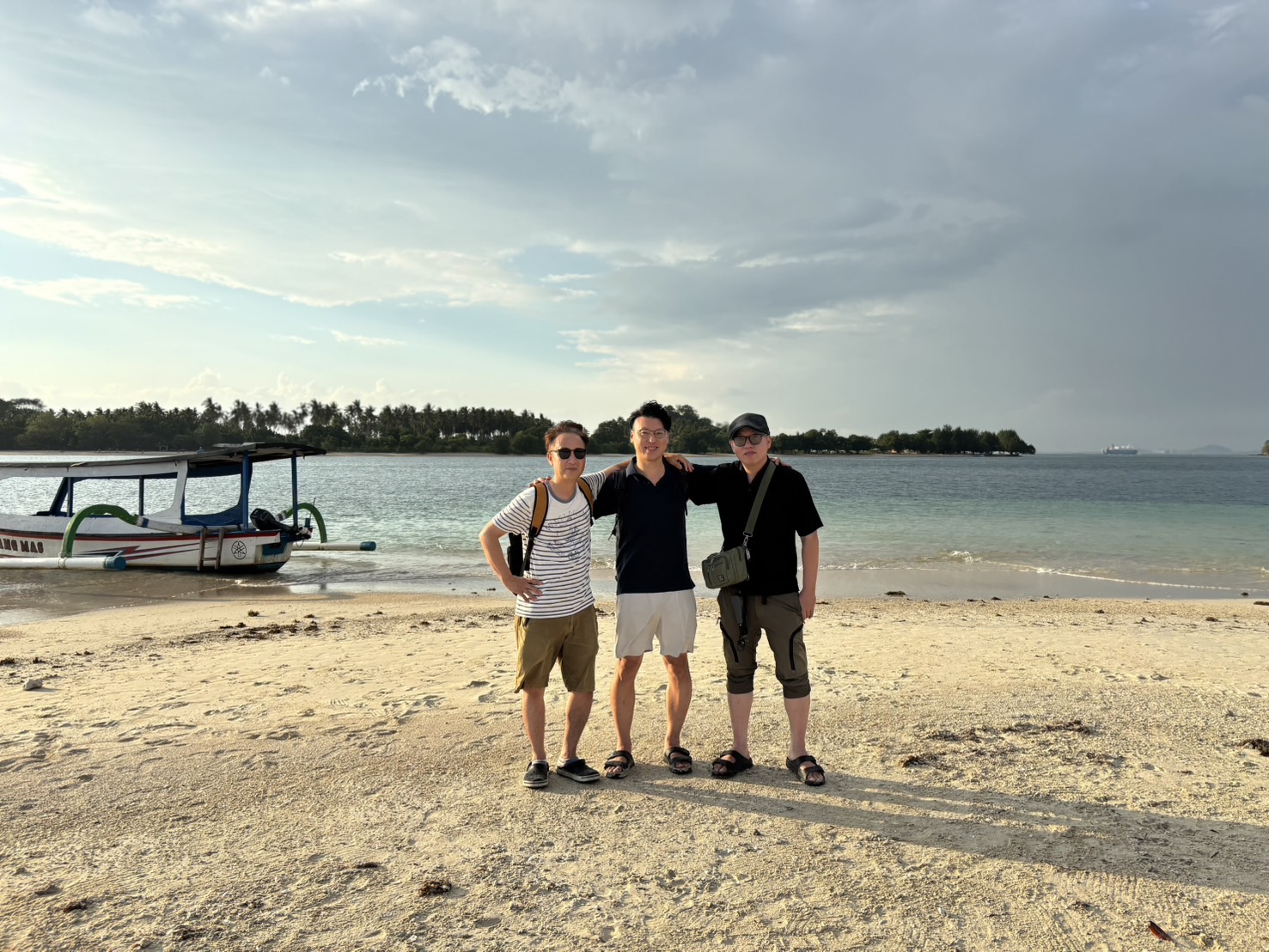
“What if I do something rude without realising it?” When people start planning a trip to Lombok, that’s often the first worry. The short answer is that you don’t need to be perfect at all. People on Lombok are very forgiving of visitors’ small mistakes, and if you do something without knowing, they’ll usually just laugh and explain. Still, knowing a little in advance brings you much closer to the people you meet. In this guide we’ve gathered ten manners and taboos on Lombok that may differ from what you’re used to, explained as gently and practically as we can.
If it’s your first time in a Muslim-majority place, rules around religion and culture can feel like something that will go badly wrong if you make a mistake. But most people who live on Lombok look on visitors with real tolerance and warmth. What matters is not memorising rules but understanding a little of why things are the way they are. Once you know the reason, you’ll naturally feel more at ease in how you behave.
There’s no need to be on your guard. If you arrive with the contents of this guide somewhere at the back of your mind, that’s enough. What matters more than shrinking back for fear of making mistakes is meeting people with a smile and a little consideration. What people on Lombok notice is not perfect manners but the wish to meet them halfway.
There’s a saying, “When in Rome, do as the Romans do”, but on Lombok you don’t need to be that strict about it. On tourist beaches and in resorts, things are much more relaxed than you might imagine, and nobody is likely to comment on how you dress or behave. But once you step into a village or come into contact with local people’s daily lives, whether or not you know the points in this guide makes a big difference to how you’re received. And if you’re thinking about a longer stay, these points will form the basis of everyday life too.
Lombok is a Muslim island: how it differs from Bali
Lombok has a completely different religious background from its neighbour Bali. Most people on Bali are Hindu, and temples, ceremonies and offerings (canang) are part of everyday scenery. On Lombok, by contrast, most people are Muslim: mosques stand all over the island, and the call to prayer (adhan) sounds five times a day. Knowing first that, even within Indonesia, a different island means a completely different culture and rhythm of life will save you a lot of confusion on the ground.
Figure: Ten things to know at a glance
Many people who cross from Bali to Lombok by plane or boat notice things gradually changing, from the look of the streets to the smell of the air. Instead of Hindu temples you see mosque minarets, and instead of lively ceremonies, quiet moments marked by the call to prayer shape the rhythm of daily life. Visit Lombok not as “an extension of Bali” but as “the island next door, with a culture of its own”, and you’ll see far more.
The more used you are to Bali’s tourist areas, the more likely you are to assume the same approach will do, but on Lombok you’ll find situations where attitudes to showing skin, drinking and taking photos are different. That doesn’t mean it’s a strict or frightening place. Get to know the everyday lives of people in the Sasak people’s traditional villages and you’re more likely to be surprised by how gentle and friendly they are. The aim of this guide is to help you understand the courtesy and sense of personal space that matter on a Muslim island.
Even within Lombok, how strongly people feel about manners varies between the more developed tourist areas in the west and the inland, eastern and southern areas where traditional life continues. Tourist areas are relaxed about things like dress, while the more an area is home to local people, the more these points matter. Keeping that in mind makes it easier to adjust how you behave depending on where you are.
Ten manners and taboos worth knowing on Lombok
1. There are times not to use your left hand
In Islamic cultures, the left hand is in some situations considered unclean. The idea comes from it being the hand used in the toilet, so when handing over food or money or shaking hands, the basic rule is to use your right hand. That said, giving something with both hands, or with a slight nod, isn’t rude. Rather than worrying that you must never use your left hand, it’s enough to try to use your right where you can. Local people understand if you’re carrying something and only your left hand is free. Simply keeping your right hand in mind in small everyday moments, like shopping at a market or paying at a warung, makes a surprisingly big difference to the impression you give. And rather than becoming awkward from thinking about it too much, handing something over with both hands and a smile comes across far more naturally.
2. Dress: cover up more in villages and near mosques
On beaches and in resort areas, swimwear and tank tops are not a problem. But when you step into a village or walk near a mosque, it’s better to avoid clothes that show a lot of shoulder or thigh. As a guide, a T-shirt and bottoms that cover your knees are enough. If you go inside a mosque, taking off your shoes at the entrance is basic etiquette. Women are also expected to cover their hair with a scarf, and many mosques lend scarves at the entrance. If you think of it as choosing clothes to suit the place, you’ll know what to do when unsure. A light shirt or shawl in your bag is handy to slip on when moving from the beach to a village or visiting a mosque. Men, too, should avoid walking around town shirtless, which is worth keeping in mind anywhere away from the beach.
3. Keep it a little quieter during Friday prayers
Around midday on Friday (roughly 11:30 to 13:00) is the time of the congregational prayer (Jumu’ah), the most important of the week for Muslim men. People gather around the mosques, and the town can feel quieter than usual. Government offices and small shops may close for a while, so if you need to get something done around Friday lunchtime, it’s reassuring to go a little earlier. Avoid talking loudly in front of a mosque or trying to photograph people at prayer. Put the other way round, as long as you keep this time in mind, you can enjoy sightseeing and activities as usual on other days and at other times. When you hear the call to prayer, simply noticing that it’s prayer time is enough.
4. Being considerate during Ramadan
During Ramadan, the month in the Islamic calendar, many Muslims fast (including from food and drink) from sunrise to sunset. Visitors aren’t forbidden from eating and drinking during this period, but it’s considerate to go easy on eating and drinking openly in public during the day. The rhythm of the town itself changes at this time too: food stalls and eateries may open for shorter hours, and things get busy all at once after sunset (buka puasa). If your trip might overlap with Ramadan, it helps to check the dates in advance. In practice, restaurants in resort areas often stay open as usual, and visitors rarely struggle to find food. Still, getting into the habit of asking hotel staff “Is it open today?” saves your plans from going off track.
5. Don’t casually touch children’s or adults’ heads
You may feel like patting a child on the head because they’re cute. But in many Islamic cultures the head is considered a sacred part of the body, not something others should touch lightly. If you want to show affection, smiling and talking to the child or saying a word to the parents is enough to get the feeling across. Touching someone’s head without meaning harm rarely causes real trouble, but simply remembering not to touch heads will put your mind at ease. The same goes between adults: friendly gestures such as patting a new acquaintance on the shoulder or back can make some people uncomfortable. Closing the distance first with a smile and a greeting is the safest approach with anyone.
6. Don’t get angry or raise your voice in public
This applies not only to Lombok but to Indonesia as a whole: shouting angrily or raising your voice in public is something people strongly avoid. There’s a strong cultural sense of saving face, so even when something goes wrong, the basic approach is to talk calmly, with a smile. Whether it’s haggling over a price or a problem with a booking, when things don’t go your way, staying calm rather than getting emotional almost always leads to a smoother outcome. In many places, someone who shouts is seen as hard to trust, and on Lombok that feeling is even stronger: once you’ve raised your voice, the negotiation or the relationship can become harder to repair. When you’re having trouble, keeping in mind to take a deep breath and lower your tone will keep problems on the road much smaller.
7. Ask before you take a photo
Rice terraces, traditional houses, people working at the market: Lombok has plenty of scenes you’ll want to photograph. But when people are in the shot, the polite thing is to ask “May I take a photo?” or check with a gesture of raising your camera. Most people will happily agree, and some will even join you in the picture. Avoid photographing mosques and people at prayer, funerals and other religious or private moments. A word of consideration leads to a pleasant exchange. When photographing children, don’t forget to ask, especially when parents are around. Often it’s the children who come up and ask you to take their picture, and a photo taken in a natural moment like that will stay with you as a much deeper memory of your trip.
8. There are only certain places to buy alcohol
On Muslim-majority Lombok, drinking itself isn’t banned, but places that sell alcohol are limited to resort areas, restaurants aimed at tourists and some supermarkets. Small shops in villages almost never sell it, and drinking in public or being loud while drunk is strongly frowned upon. If you want a beer, the basic idea is to have it at your hotel or a beachfront restaurant; remember that and you won’t go wrong. The quickest way to find out whether there’s somewhere near your accommodation that sells alcohol is to ask the staff when you check in. Leave the idea of going out drinking in the village behind, and accept that drinking is for tourist areas, and you won’t have to worry about it.
9. A food culture without pork
Because pork is forbidden in Islam, you’ll almost never see pork dishes in Lombok’s eateries or warungs (local eateries). Most places are halal by default, and the food centres on chicken, fish, beef and soy products such as tofu and tempeh. If you look for the pork dishes you might be used to at home, you won’t find them, not because the menu is limited but because the cultural starting point is different. Knowing about Lombok’s food in advance makes choosing what to eat much easier. On the other hand, there’s a wide variety of chicken and fish dishes, from spiced sate to sayur (vegetable stews), and many are easy for visitors to enjoy. If you do feel like pork, it’s easier to search on the assumption that only some restaurants aimed at foreign visitors will serve it.
10. “Jam karet” (rubber time)
Indonesian has an expression, “jam karet”, which literally means “rubber time”. It describes a cultural sense that appointed times stretch and shrink, in other words that a little delay is normal. Buses or transfers arriving later than scheduled, or shops opening later than stated, are not unusual. If you’re used to strict punctuality, there will be moments that frustrate you, but accepting that “this is how it works here” makes the whole trip surprisingly relaxed. The flip side is a generosity that means people will also overlook it if you’re a little late. For plans where a time shift would be a problem, such as airport transfers and activity tours, the trick is to leave some slack in your schedule, assuming things may run a little early or late rather than at an exact minute. If you can enjoy the waiting as part of the trip without rushing, you’ll settle into Lombok’s pace easily.
If you slip up, a smile and an apology are enough
We’ve covered ten points, but once you’re actually there, anyone can accidentally use their left hand or forget to ask before taking a photo. When that happens, what people on Lombok show you first is not anger or disappointment but a smile. Say “sorry” or “maaf” (excuse me) with a smile, and that alone eases the mood. If anything, freezing up for fear of making a mistake, or avoiding talking to people, can make local people feel more distant.
People on Lombok value the attitude of a visitor who is trying to understand and to meet them halfway more than perfect manners. A few mistakes are part of the charm of travelling. This island has the generosity to understand you perfectly well if you laugh and apologise.
In fact, we hardly ever hear of visitors being sharply criticised for a breach of manners. More often, people are pleasantly surprised that a visitor knows such things, and it becomes the start of a conversation. Think of it this way: the goal is not to get every rule right, but the conversations and relaxed time with people that follow. That’s what makes travelling on this island worthwhile.
If you’re still worried about safety or about getting into trouble, also read our guide to safety on Lombok before you go, so you can prepare with more peace of mind. Worries about manners and worries about safety often both come from not knowing, and simply gathering information in advance makes a big difference to how relaxed you feel once you arrive.
Frequently asked questions
Q. Do non-Muslim visitors need to be aware of prayer times?
A. You don’t need to think about it all the time, but around midday on Friday or when you’re near a mosque, being considerate by keeping quiet and not raising your voice leaves a good impression. At other times you can go about your day as usual.
Q. Should women always bring a scarf?
A. It isn’t essential for ordinary sightseeing, but if you plan to visit a mosque, it’s reassuring to have one with you. Many mosques lend scarves at the entrance, so you don’t necessarily need to bring your own.
Q. If I break a rule without knowing, will it really be all right?
A. Yes. People on Lombok are very forgiving of visitors’ small mistakes, and in most cases they’ll simply laugh and explain. Don’t take it too seriously; when you realise, saying “maaf” (sorry) is enough to get your meaning across. Local people tend to look kindly on visitors doing their best in an unfamiliar country, more than you might think.
Q. Why am I asked for my passport when I check in at a hotel?
A. Indonesia’s immigration law (Law No. 6 of 2011, Article 72) requires accommodation operators to provide information on foreign guests when asked by an immigration officer. In a December 2025 video on our team’s YouTube channel, a guest familiar with conditions in Bali also explains that hotels are required to take a copy of your passport when you stay and report to the local police the next day (video). There’s nothing special you need to do as a traveller; showing your passport at check-in is all it takes.
Summary: knowing these makes your trip go more smoothly
Lombok’s manners and taboos are not rules designed to restrict visitors. Using your hands, dress, prayer times, not touching heads, asking before taking photos, alcohol, the food culture and the relaxed sense of time called “jam karet” are all small acts of consideration that matter to the people who live on this island.
You don’t need to memorise them all perfectly. Just having them somewhere at the back of your mind naturally softens how you behave, and that in turn brings you closer to the people you meet. Even if you make a mistake, a laugh and an apology will get your meaning across. Let yourself lean on this island’s generosity.
Rather than trying to get rid of every worry before you leave, setting off with a few worries still in hand, but knowing a bit more, usually works better in practice. None of the ten points in this guide needs special training; they’re all things you can do just by paying a little attention. Take in the feel of Lombok and settle in at your own pace.
If you’re thinking of a longer stay, also take a look at our complete guide to Sekotong.
Much of the etiquette above comes from the everyday life of the Sasak, Lombok’s indigenous people. Who the Sasak people are, and how to visit their traditional villages, is explained in our separate guide.
More on this topic: Lombok Travel Essentials. Sample 3- to 5-night itineraries in Sekotong, with the cost per person: Stay Programme Itineraries.
Tipping is one of the small manners questions visitors ask about: do you have to tip in Indonesia, and how much sets out when a tip is expected and the rupiah amounts guides suggest.
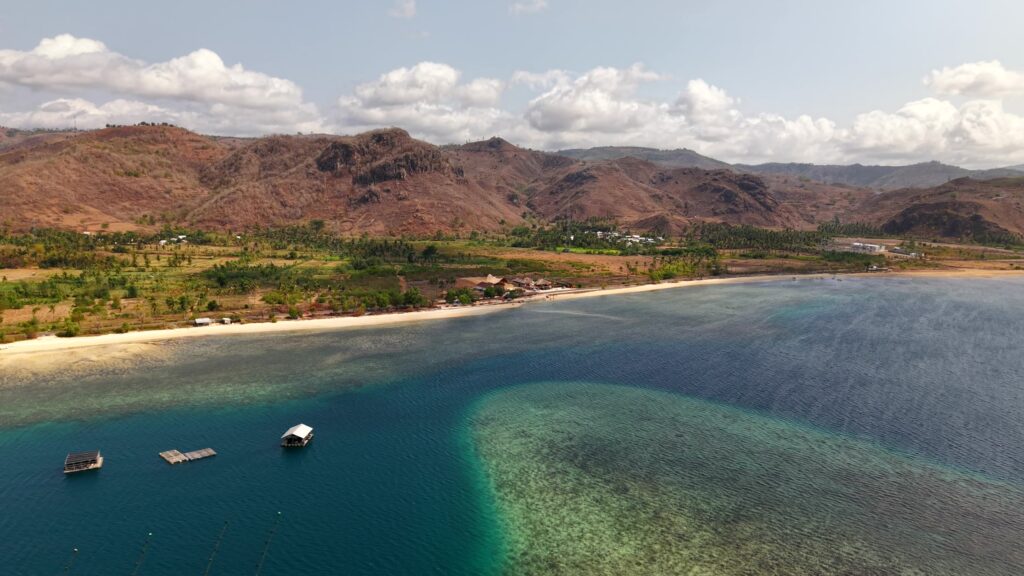
SEMELAR BEACH VILLAGE
Come and spend some time in the Sekotong village we call home
About 1 hour 10 minutes by car from Lombok International Airport. We offer a stay programme of 3 nights/4 days or more, with island trips by local boat and sunsets at SAKURA CAFE. The villas are due to be completed in stages from 2027.