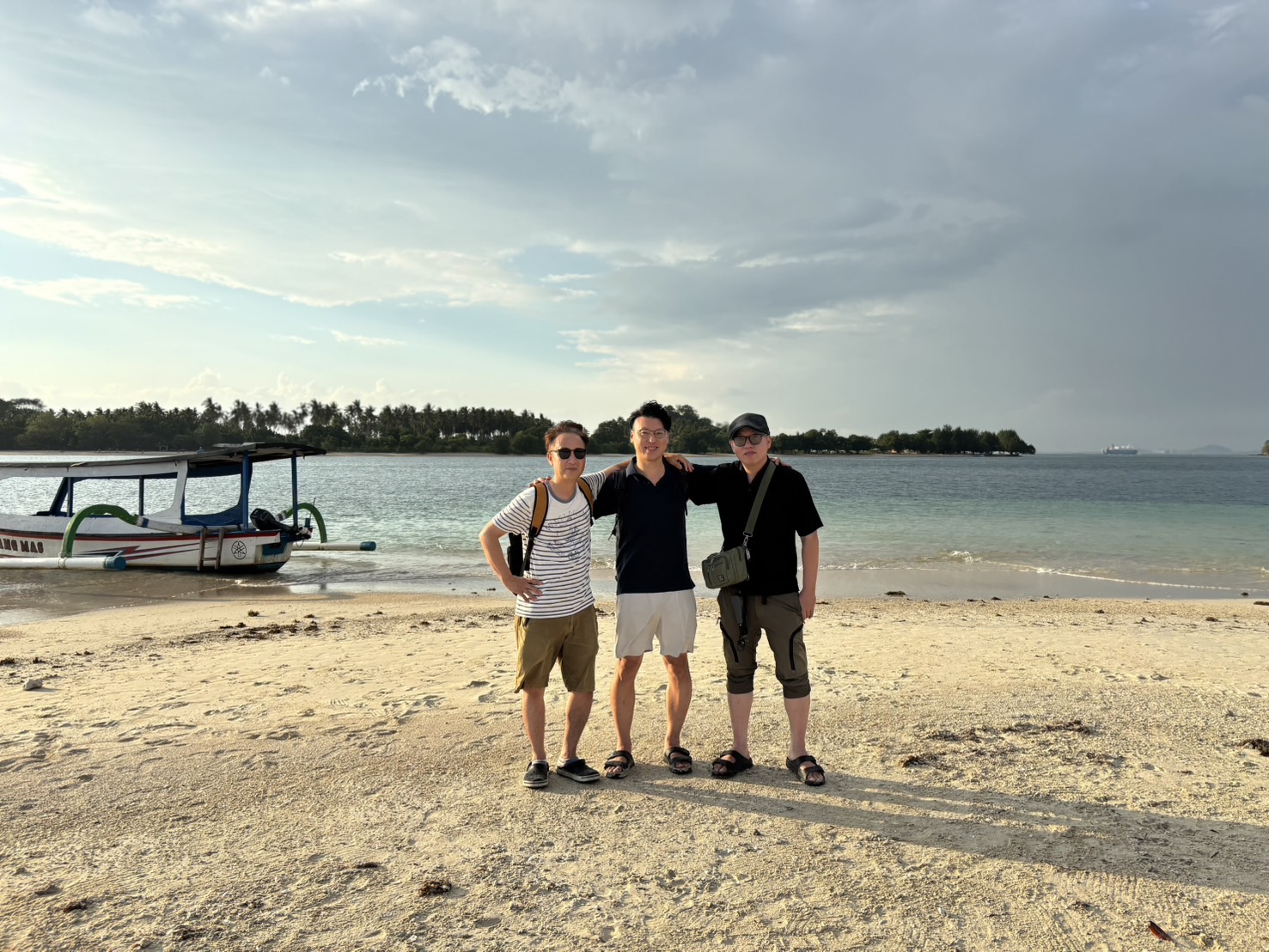
“Do I need malaria tablets for Lombok?” “Are the Gili Islands safe?” “What if I stay in a village like Sekotong?” These are common questions before a trip to the islands east of Bali.
In short: the US Centers for Disease Control and Prevention (CDC) lists the Gili Islands (Gili Trawangan, Gili Air and Gili Meno) among places with no malaria. For mainland Lombok, the CDC says malaria is present in rural areas, while the UK National Health Service travel site (fitfortravel) rates only West Lombok regency as low risk and says tablets are not usually advised there. Both recommend avoiding mosquito bites everywhere.
This article is based on the CDC and NHS traveller pages, Indonesian Ministry of Health releases and news reports of the 2018 outbreak, all opened and read in October 2026. The two agencies describe Lombok differently, so we show both. This is not medical advice: decide on tablets with a doctor or travel clinic before you leave. It is written for travellers preparing a trip to Lombok or the Gili Islands.
Information as of October 2026
What this article covers
- ✓How the CDC and the NHS describe malaria on Lombok and the Gilis
- ✓How to think about antimalarial tablets
- ✓The outbreak in West Lombok after the 2018 earthquakes
- ✓How to avoid mosquito bites
- ✓What to tell a doctor if you get a fever after the trip
In short
The CDC lists the Gili Islands as malaria-free and says malaria is present in rural Lombok; the NHS rates West Lombok regency as low risk. In low-risk areas the NHS does not usually advise tablets, but says some travellers, such as those on long rural stays, may consider them. Tell a doctor where you are going and for how long, and avoid bites wherever you are (as of October 2026).
Is there malaria on Lombok? What two agencies say
The CDC country table (last reviewed November 2021) lists areas with malaria in Indonesia as all of eastern Indonesia (Maluku, North Maluku, East Nusa Tenggara, Papua and West Papua), including Labuan Bajo and the Komodo Islands. It adds rural areas of Kalimantan, West Nusa Tenggara (which includes Lombok), Sulawesi and Sumatra.
The same table lists areas with no malaria as the cities of Jakarta and Ubud, the resort areas of Bali and Java, the Gili Islands and the Thousand Islands. In the CDC’s wording, then, the Gilis have none and mainland Lombok has malaria in rural areas.
The NHS fitfortravel page divides things more finely. High-risk areas are Sumba and the Papua provinces. One of the low-risk areas is “West Lombok regency (Lombok)”. Bali is “low to no risk”. The page does not mention the Gili Islands.
Figure: How the two agencies describe each area (checked October 2026)
Sekotong is in the southwest of West Lombok regency. To be honest about it, it lies in the regency the NHS rates as low risk and in what the CDC would call a rural area.
Do you need tablets? What “low risk” means
The NHS says that in high-risk areas atovaquone/proguanil, doxycycline or mefloquine is usually advised. In low-risk areas, tablets are “not usually recommended” but “can be considered for certain travellers”, including people on longer rural stays, those visiting friends or relatives, people with medical conditions and people without a spleen. In low-to-no-risk areas they are not usually advised.
For areas with malaria, the CDC lists atovaquone-proguanil, doxycycline, mefloquine or tafenoquine. It notes chloroquine resistance in Indonesia and gives the species mix as P. falciparum 60% and P. vivax 40%. It also says primaquine and tafenoquine can cause anaemia in people with G6PD deficiency, so a test is required before they are prescribed.
The CDC lists the Gilis and Bali’s resort areas as places with no malaria, and the NHS puts Bali in a category where tablets are not usually advised (the NHS does not mention the Gilis). A short trip limited to those places usually falls outside the groups advised to take tablets. If you will stay for weeks in a Lombok village, or travel on to Komodo or East Nusa Tenggara, give a doctor your itinerary and let them decide. Antimalarials are prescription medicines, so do not plan on buying them once you arrive.
← Scroll sideways to see the whole table
| Type of trip | What the two agencies’ wording suggests |
|---|---|
| Staying only on the Gili Islands | CDC: no malaria. Keep avoiding bites |
| Bali resort areas plus the Gilis | CDC: no malaria in either. NHS: Bali low to no risk; Gilis not mentioned |
| A few days in towns or beaches on mainland Lombok | CDC: rural risk; NHS: West Lombok low risk. Ask a doctor |
| A long stay in a Lombok village | The NHS lists long rural stays among those who may consider tablets. Ask a doctor |
| Travelling on to Komodo or Labuan Bajo | The CDC lists this as an area with malaria. Ask a doctor |
Based on the CDC country table (reviewed November 2021) and NHS fitfortravel (viewed October 2026). Make the decision with a doctor.
The outbreak after the 2018 earthquakes
After the large earthquakes of 2018, malaria cases rose in West Lombok. An Indonesian Ministry of Health release (4 September 2018) said two people in a village in Gunung Sari district were found to have malaria, and a blood survey of 936 people around them found 44 positives. The release gave the 2017 annual rate as 0.25 cases per 1,000 people in West Nusa Tenggara and 0.42 in West Lombok.
Anadolu Agency (17 September 2018) reported 128 positive cases, mainly in two villages in the same district, and said West Lombok declared a malaria “extraordinary event” (KLB) from 8 September. It linked the outbreak to displaced people collecting water from rivers and reservoirs, where Anopheles mosquitoes breed.
That outbreak happened in the special conditions of post-earthquake displacement. Case numbers since then, and whether individual regencies have been certified malaria-free, could not be confirmed in the sources opened for this article. In June 2024 the Ministry of Health said Indonesia aims to be malaria-free by 2030 and that 389 regencies and cities had reached that stage by 2023. None of the 17 regencies and cities certified malaria-free in that 2024 release is in West Nusa Tenggara.
For earthquake preparedness, see our guide to earthquakes and tsunamis on Lombok.
How to avoid mosquito bites
The NHS advises, for all areas, covering up with long sleeves and long trousers, using insect repellent on exposed skin and sleeping under a mosquito net when needed. The same page says dengue mosquitoes bite during the day and the rice-paddy mosquitoes that spread Japanese encephalitis mainly bite between dusk and dawn. Because of these other diseases too, it makes sense to avoid bites at any time of day.
- ✓Pack a skin insect repellent before you leave home
- ✓Long sleeves and long trousers from evening to morning
- ✓Check your room’s screens or mosquito net
- ✓Take extra care near rice fields, rivers and on rural stays
- ✓If you get a fever, do not wait it out on your own
For dengue symptoms and prevention, see mosquitoes and dengue on Lombok; for the full kit list, see our Lombok packing list.
Fever after you get home? What to tell the doctor
The NHS says to seek medical attention promptly if you get a fever after visiting a malarious area, and that malaria can develop up to one year after exposure.
Tell the doctor where you went (which part of Lombok, the Gilis, Komodo), how long you stayed, whether you were bitten and whether you took tablets. For finding care during the trip, see our guide to hospitals and travel insurance on Lombok.
Take care
- Do not decide on tablets alone; talk to a doctor a few weeks before departure
- “No malaria on the Gilis” does not mean no mosquitoes. You still need to protect against dengue
- If you get a fever within a year of returning, say you have been to Lombok
- The two agencies differ and their pages change. Check the latest versions before you go
A note from Sekotong
Sekotong is in West Lombok regency in the southwest of the island, a coastal area of fishing villages and farmland. Because it lies in the regency the NHS rates as low risk, anyone planning a long stay may want to talk to a doctor before leaving. The NHS advises covering up with long sleeves and long trousers especially after sunset, so change into long sleeves as the sun goes down and reapply repellent.
The limits of this information, and a sensible approach
First, the limits. The CDC table was last reviewed in November 2021 and we could not confirm later changes. The NHS page has no update date and does not mention the Gilis. We also could not find Lombok case numbers after 2018 in the sources we opened. We searched the public pages of the World Health Organization (WHO) and the Indonesian Ministry of Health in October 2026 and found nothing giving the current risk for individual Lombok regencies. There is not enough data to call the island simply “safe” or “dangerous”.
Even so, the two agencies’ wording points the same way on the essentials: a short stay limited to the Gilis or Bali’s resorts usually falls outside the groups advised to take tablets, and anyone staying a long time in a Lombok village should discuss it with a doctor. Adjust the decision to where you go and for how long, and keep avoiding bites everywhere. Prepared that way, you can travel without undue worry.
Frequently asked questions
Q. Is there malaria on the Gili Islands?
The US CDC lists the Gili Islands among places with no malaria. There are still mosquitoes, so keep using repellent and long sleeves against dengue.
Q. Do I need malaria tablets for Lombok?
The UK NHS rates West Lombok regency as low risk and says tablets are not usually recommended, though travellers such as those on long rural stays may consider them. Decide with a doctor based on your itinerary.
Q. What if I stay in Sekotong?
Sekotong is in West Lombok regency, which the NHS rates as low risk and which the CDC would count as rural. For a long stay, talk to a doctor before you leave.
Q. Is the 2018 outbreak still going on?
The 2018 outbreak happened in West Lombok during displacement after the earthquakes. Case numbers since then could not be confirmed in the sources we opened.
Q. What should I do if I get a fever after the trip?
See a doctor promptly and say you have been to Lombok, where you stayed, for how long and whether you took tablets. The NHS notes malaria can appear up to a year later.
Summary
The US CDC says malaria is present in rural mainland Lombok but not on the Gili Islands, while the UK NHS rates West Lombok regency as low risk. In low-risk areas the NHS does not usually advise tablets, but says some travellers, such as those on long rural stays, may consider them.
Decide on tablets with a doctor based on where you go and how long you stay. Everywhere, avoid bites with repellent, long sleeves and nets, and if you get a fever after returning, see a doctor and mention Lombok (as of October 2026).
Related reading
- Mosquitoes and dengue on LombokDaytime-biting mosquitoes and how to protect yourself
- Hospitals, medical care and travel insurance on LombokWhat to expect if you need a doctor
- Lombok packing listWhat to bring, including repellent
More on this topic: Lombok Travel Essentials. Sample 3- to 5-night itineraries in Sekotong, with the cost per person: Stay Programme Itineraries.
If you fall ill, which hospital to use on Lombok lists emergency numbers 112 and 119, the main hospitals in Mataram and what to check about cashless billing.
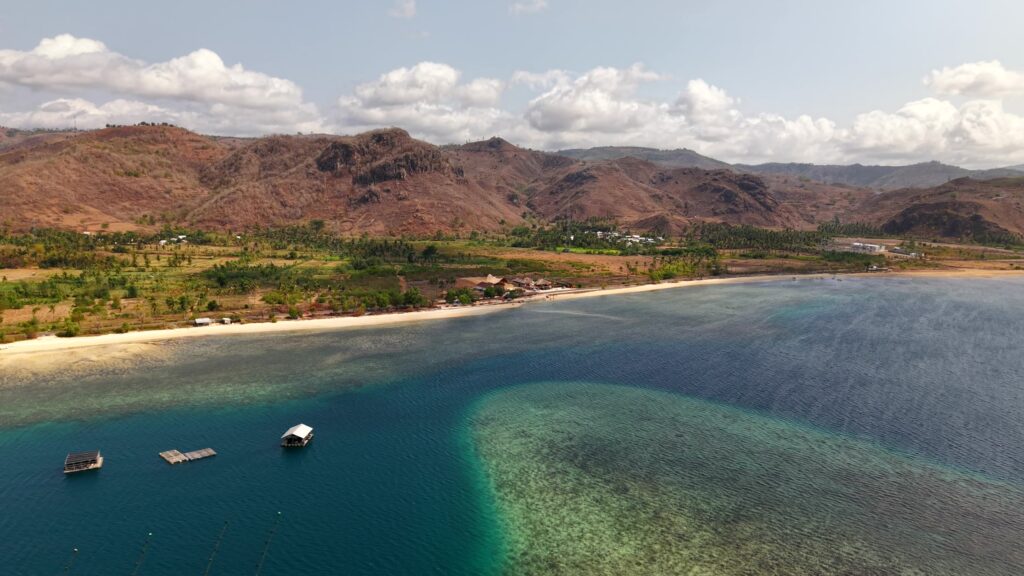
SEMELAR BEACH VILLAGE
Come and spend some time in the Sekotong village we call home
About 1 hour 10 minutes by car from Lombok International Airport. We offer a stay programme of 3 nights/4 days or more, with island trips by local boat and sunsets at SAKURA CAFE. The villas are due to be completed in stages from 2027.
Sources used for this article
- CDC, “Malaria Information and Prophylaxis, by Country [I]” (Indonesia row; last reviewed 3 November 2021; areas with and without malaria, Gili Islands, tablets, species)https://www.cdc.gov/malaria/travelers/country_table/i.html
- NHS fitfortravel, “Indonesia” (viewed October 2026; West Lombok low risk, advice on tablets, bite avoidance, onset up to a year later)https://fitfortravel.nhs.uk/destinations/asia-east/indonesia
- Indonesian Ministry of Health, “Kasus Malaria Ditemukan Lombok Barat, Pasien Sudah Ditangani” (4 September 2018; 44 positives among 936 tested, 2017 rates)https://kemkes.go.id/id/kasus-malaria-ditemukan-lombok-barat-pasien-sudah-ditangani
- Anadolu Agency, “Pemerintah: 128 warga Lombok positif malaria” (17 September 2018; 128 cases, KLB from 8 September, causes)https://aa.com.tr/id/headline-hari/pemerintah-128-warga-lombok-positif-malaria/1256449
- Indonesian Ministry of Health, “17 Daerah Berhasil Bebas dari Malaria” (24 June 2024; 2030 target, 389 regencies and cities, the 17 certified regions)https://www.kemkes.go.id/id/17-daerah-berhasil-bebas-dari-malaria