What you can do here
Eat, play, try, stay, explore around. Choose a category and only those places stay on the list.
 SAKURA CAFE
 SAKURA BEACH CLUB
 Bamboo
Restaurant
 SEMELAR MARKET
 LOCAL FOOD STREET
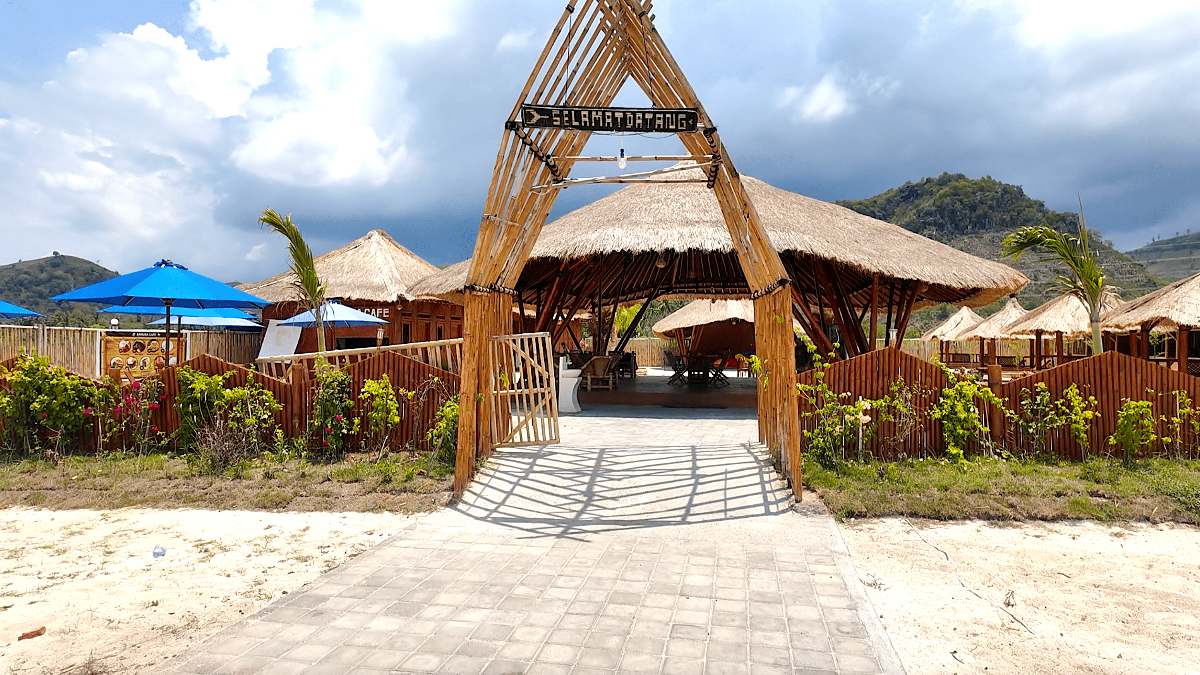
SAKURA CAFE
Scroll sideways for more
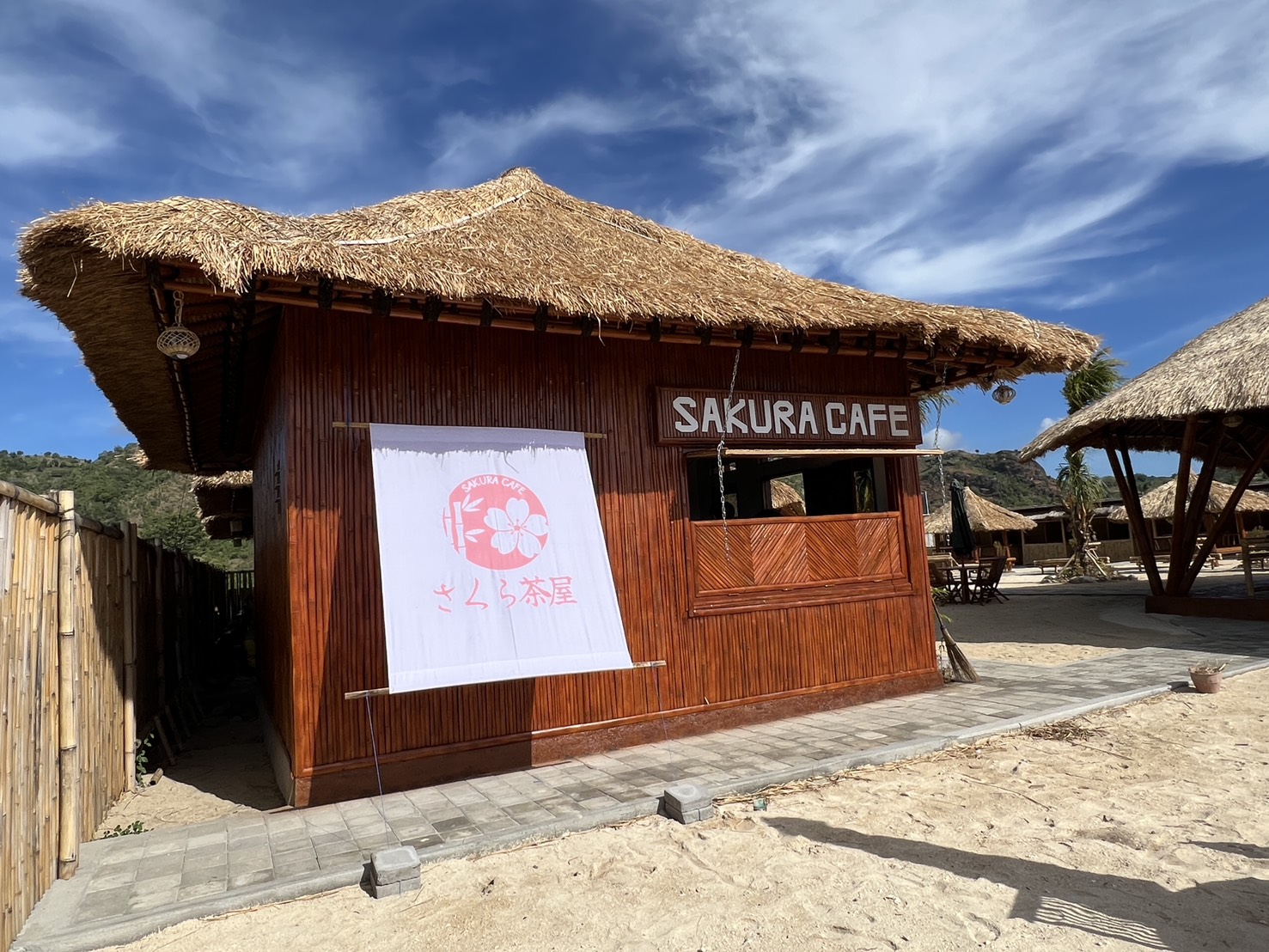
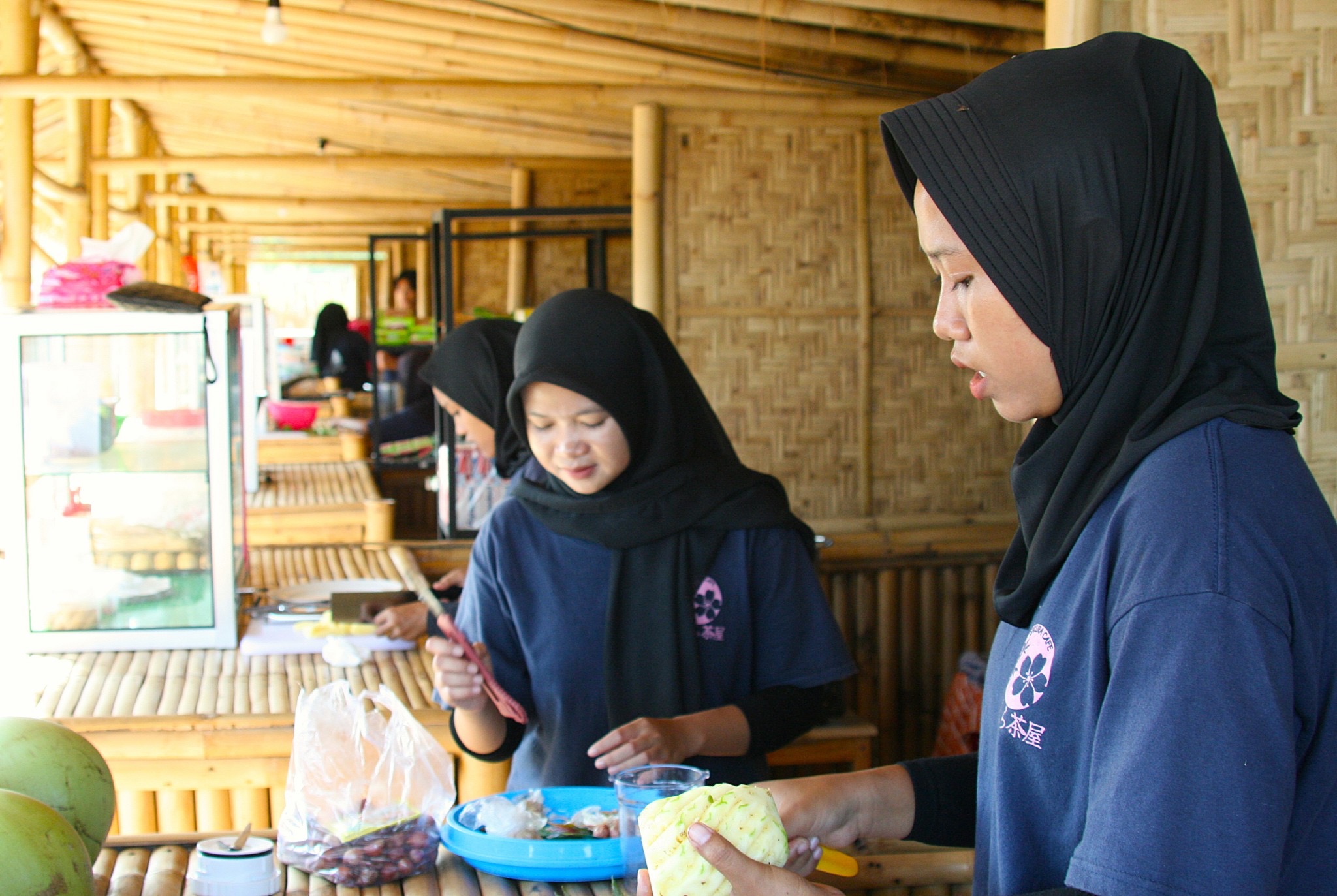
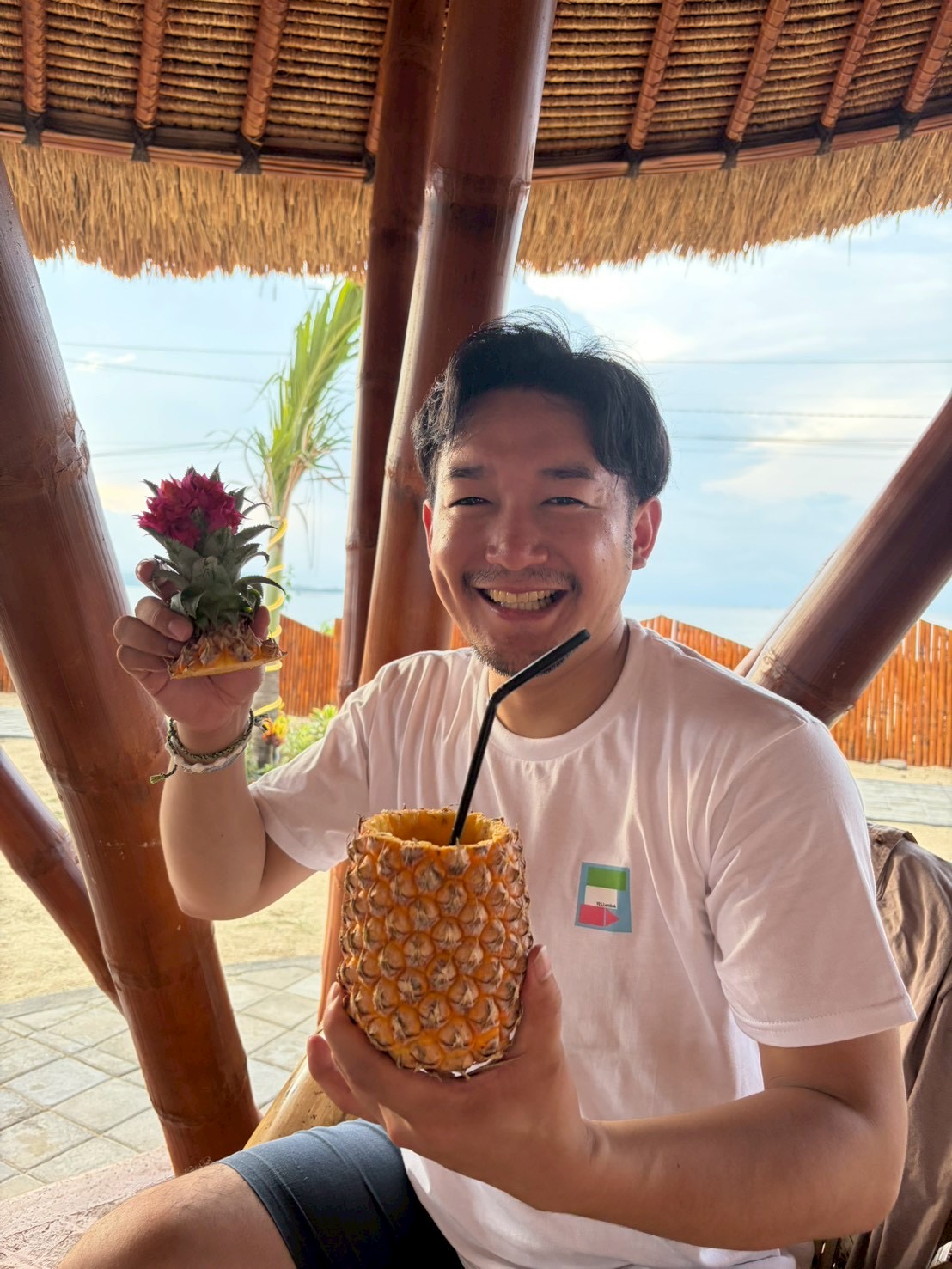
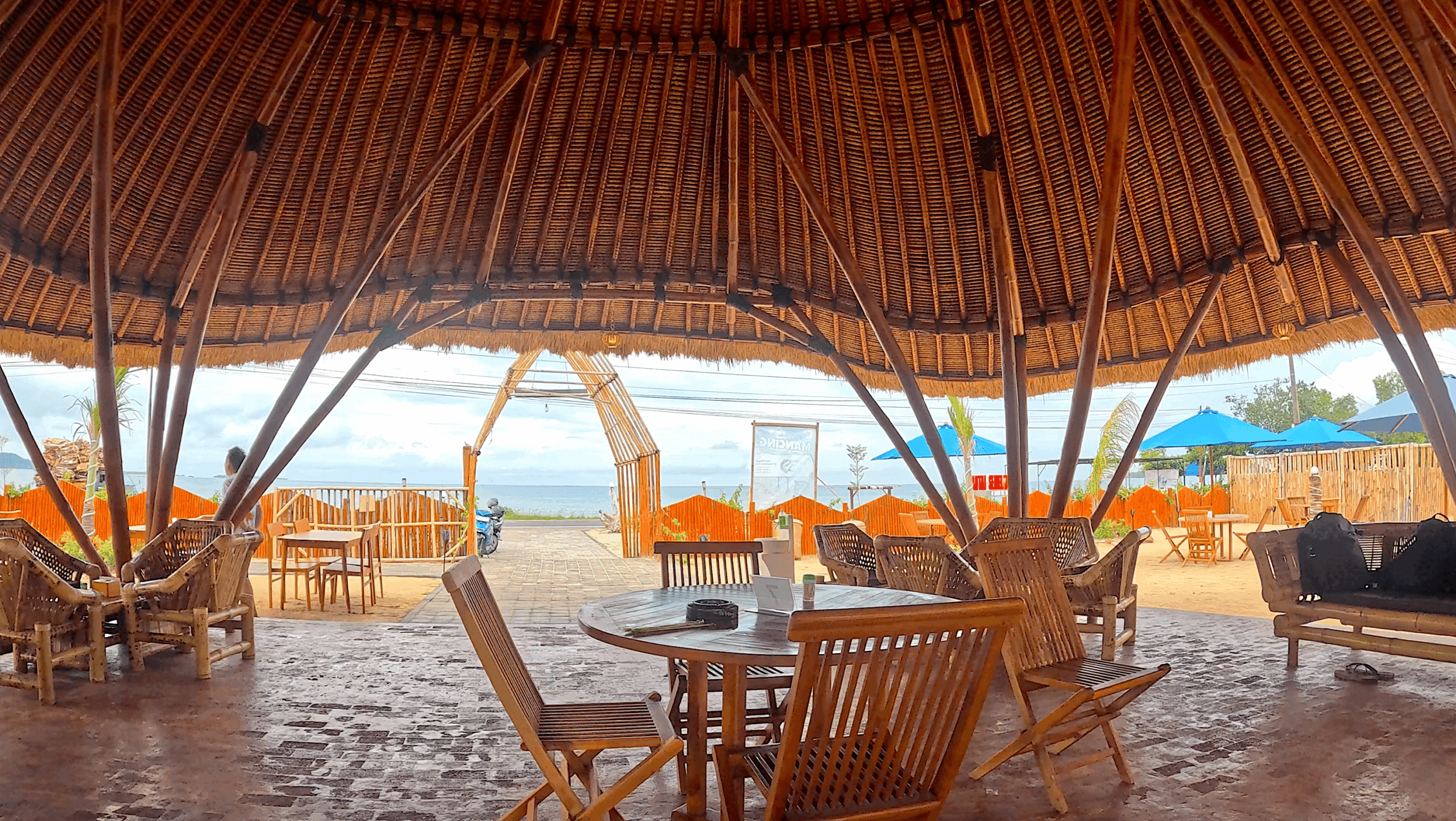
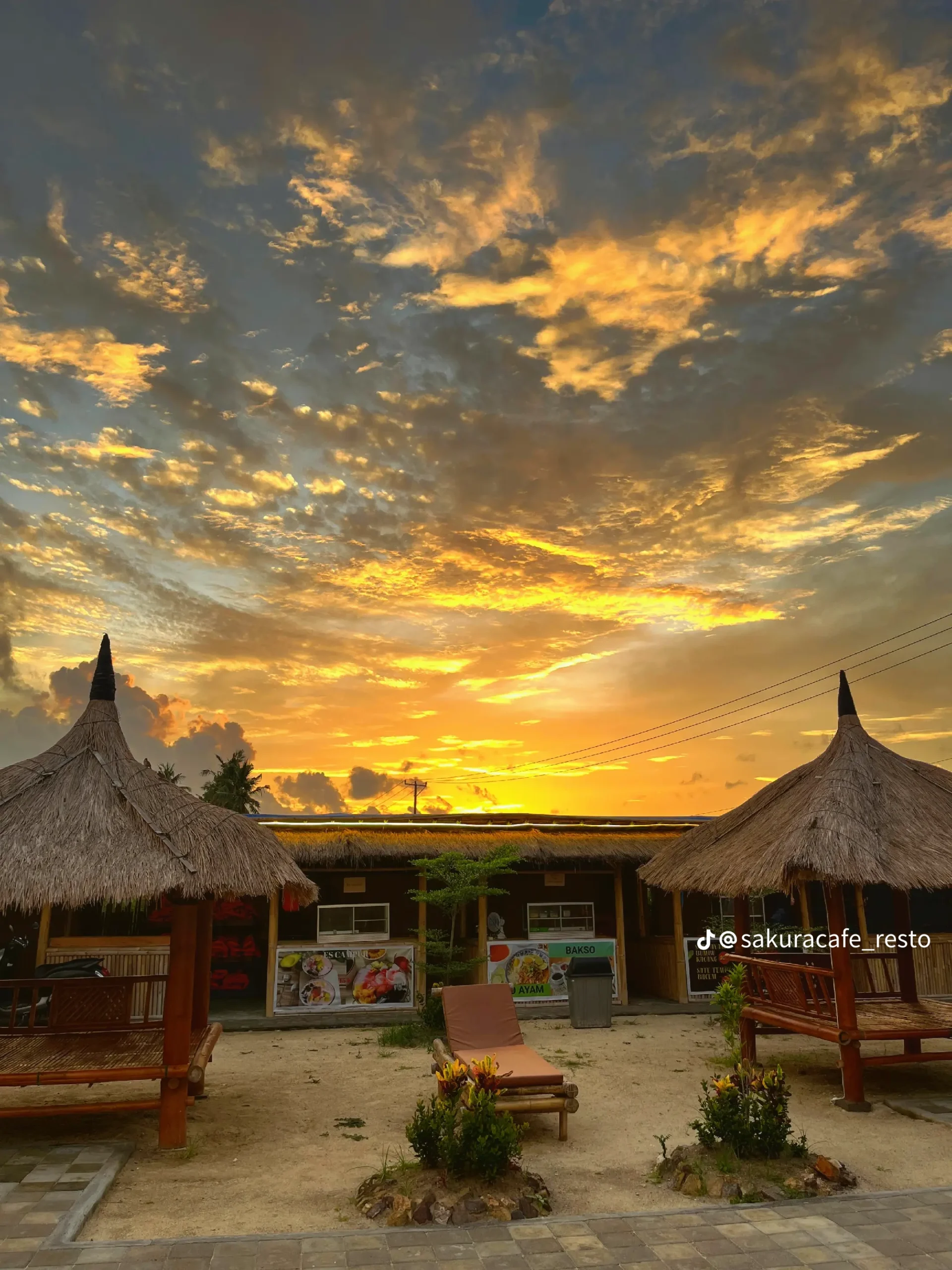
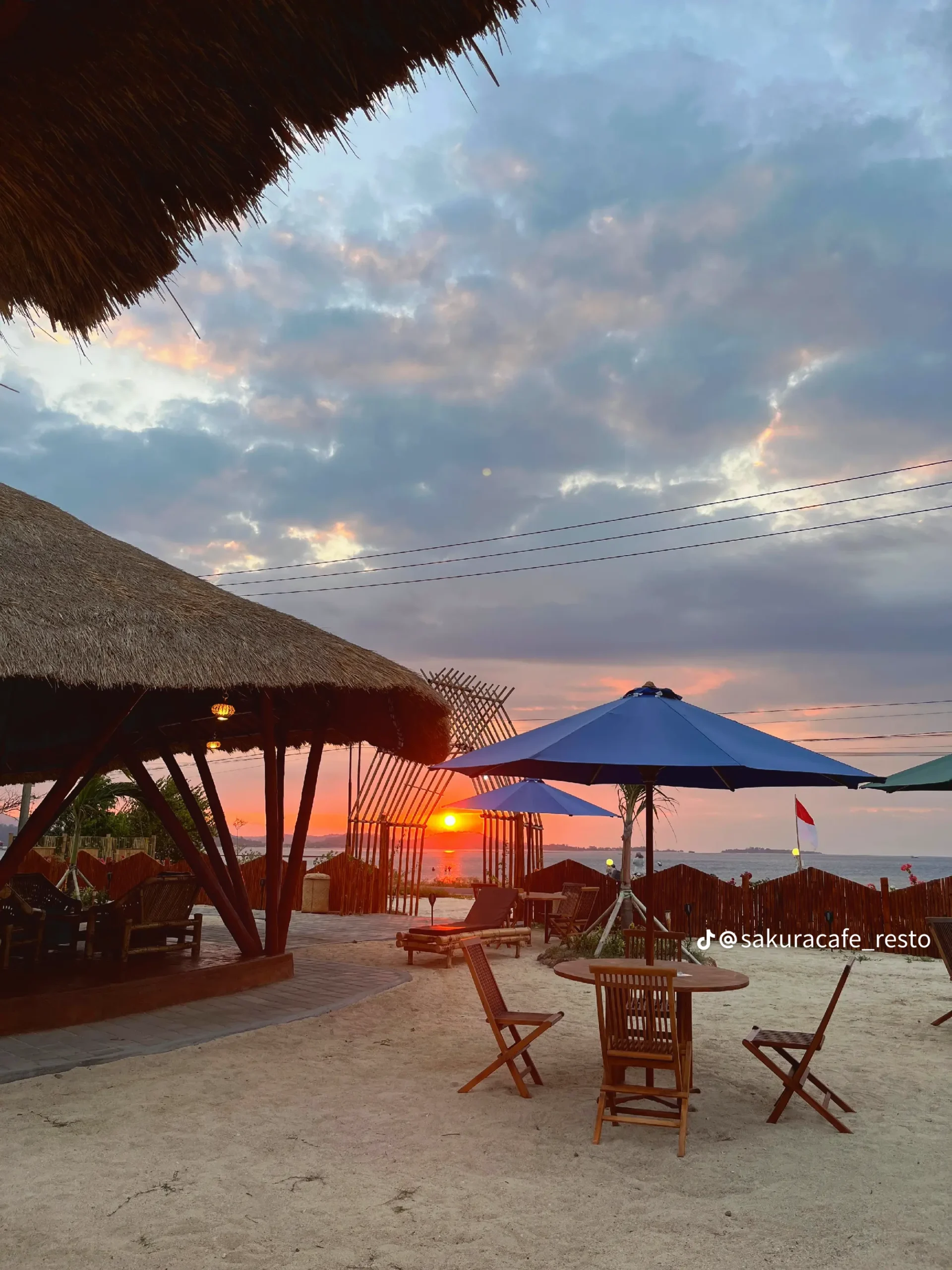
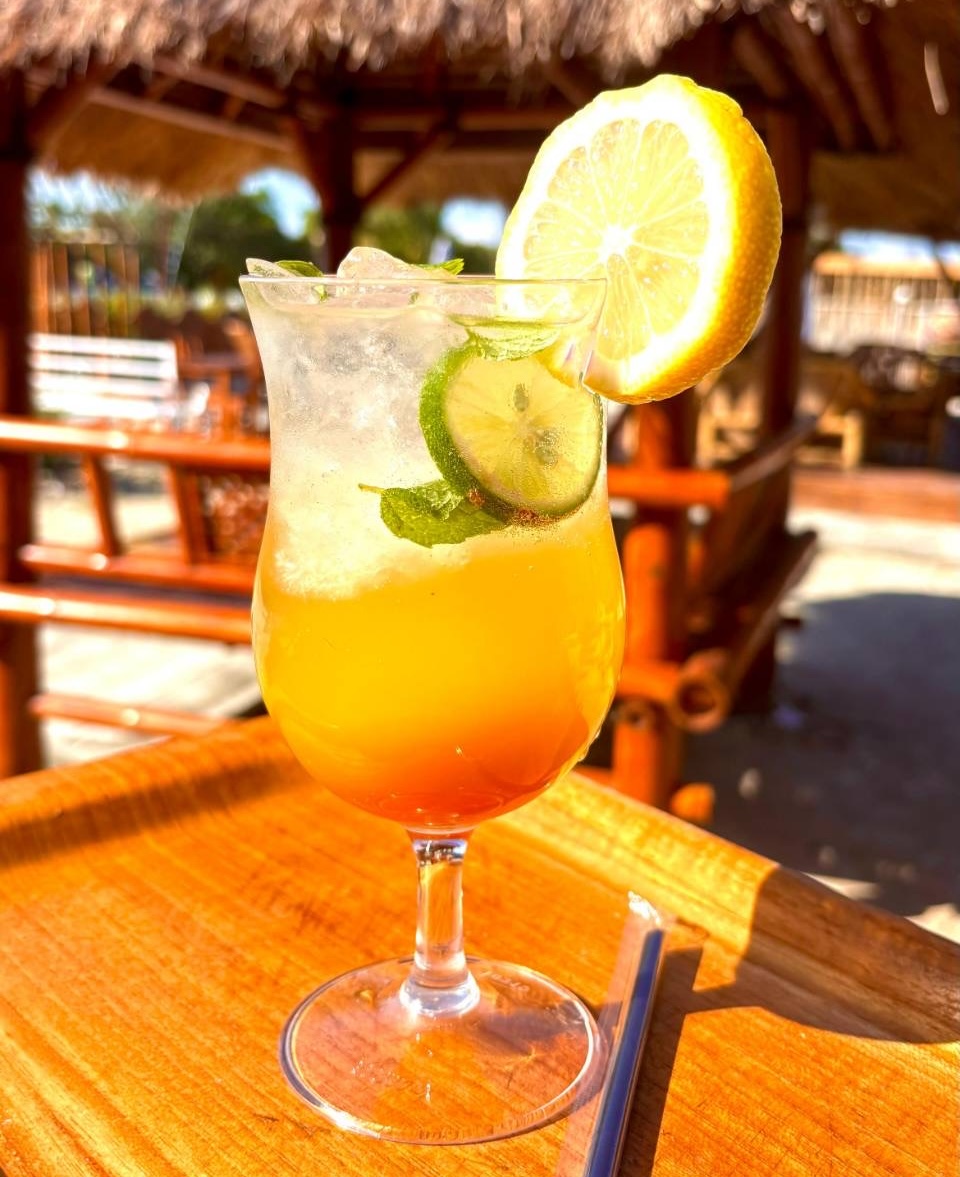
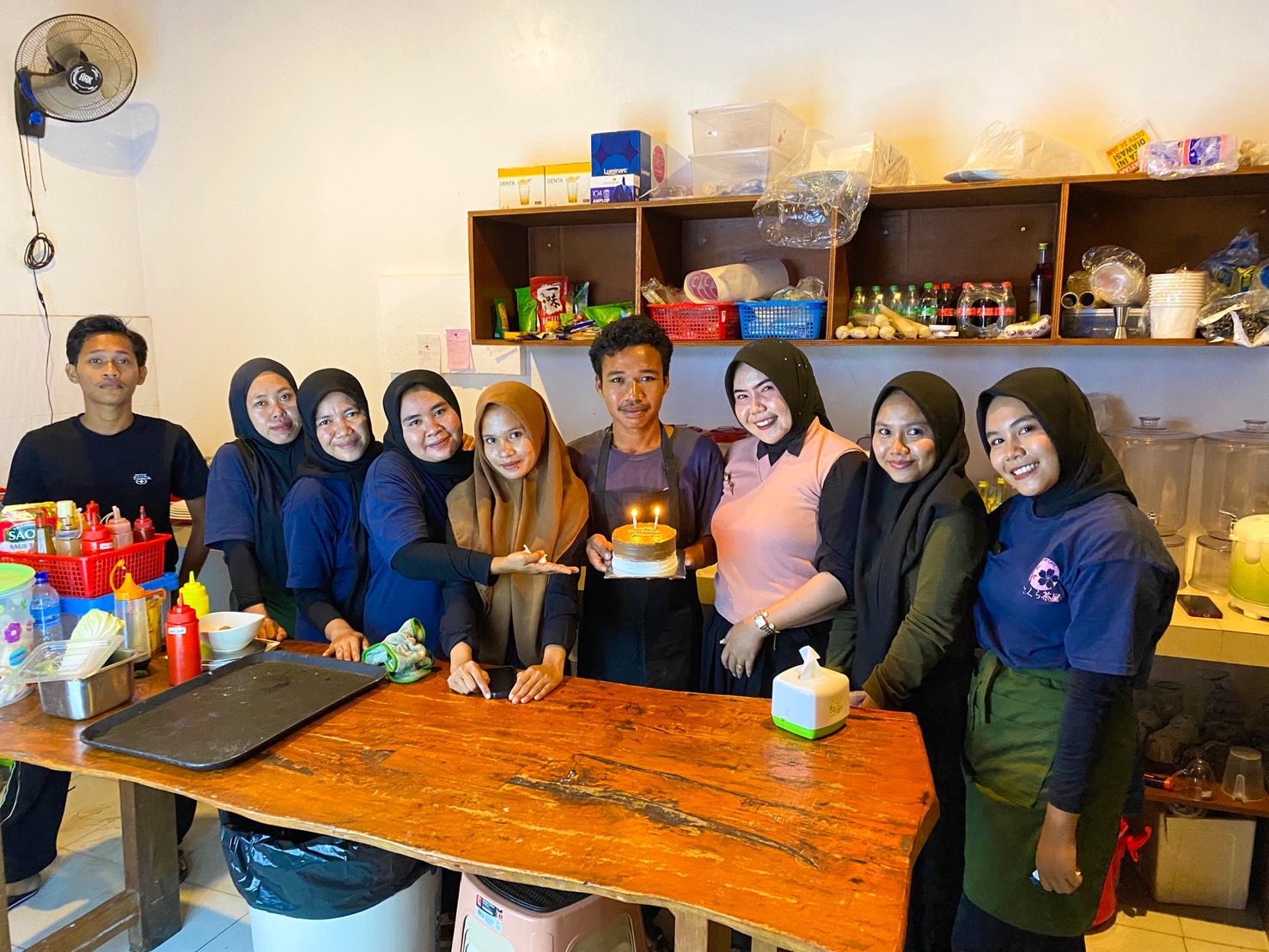
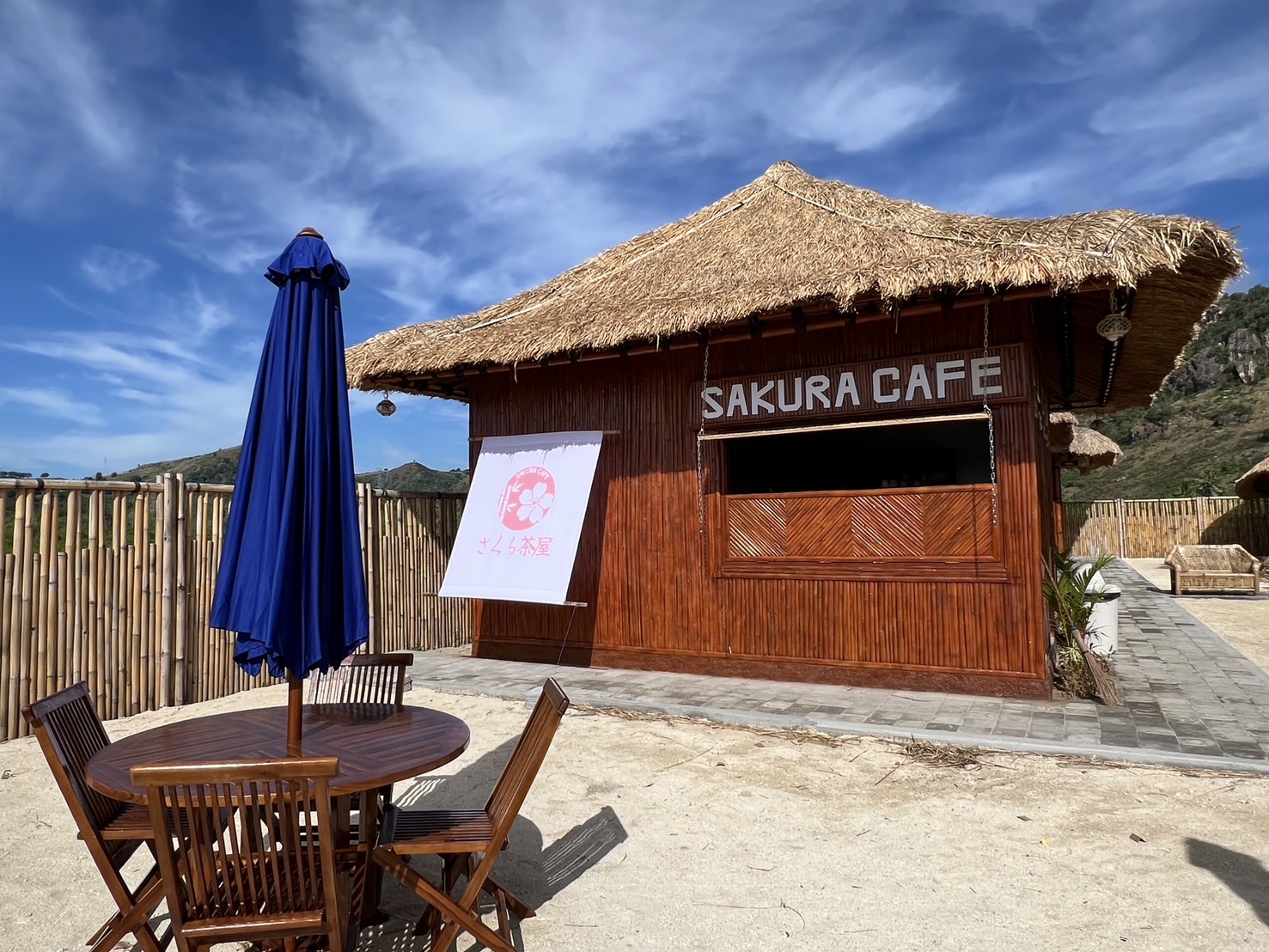
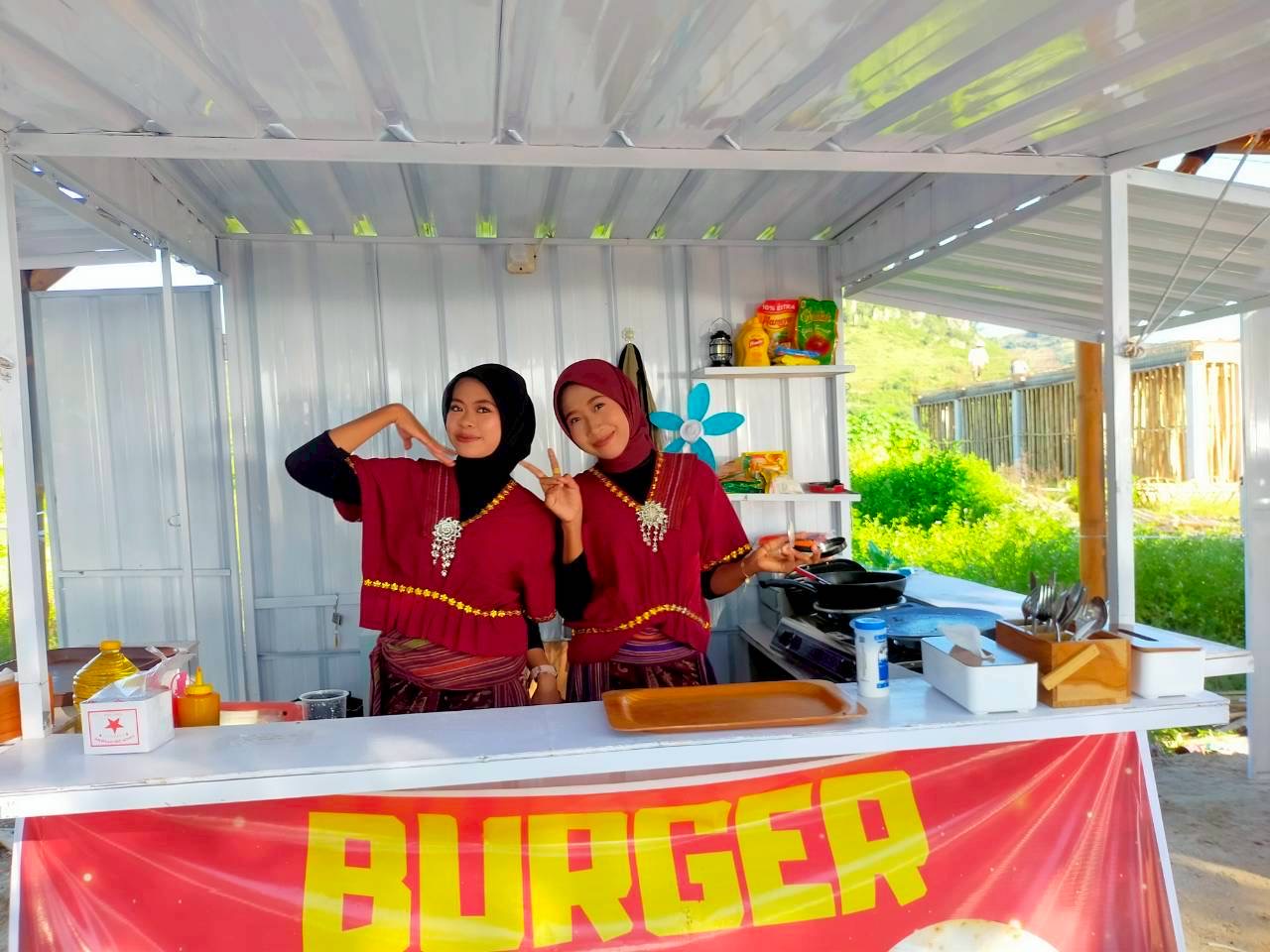
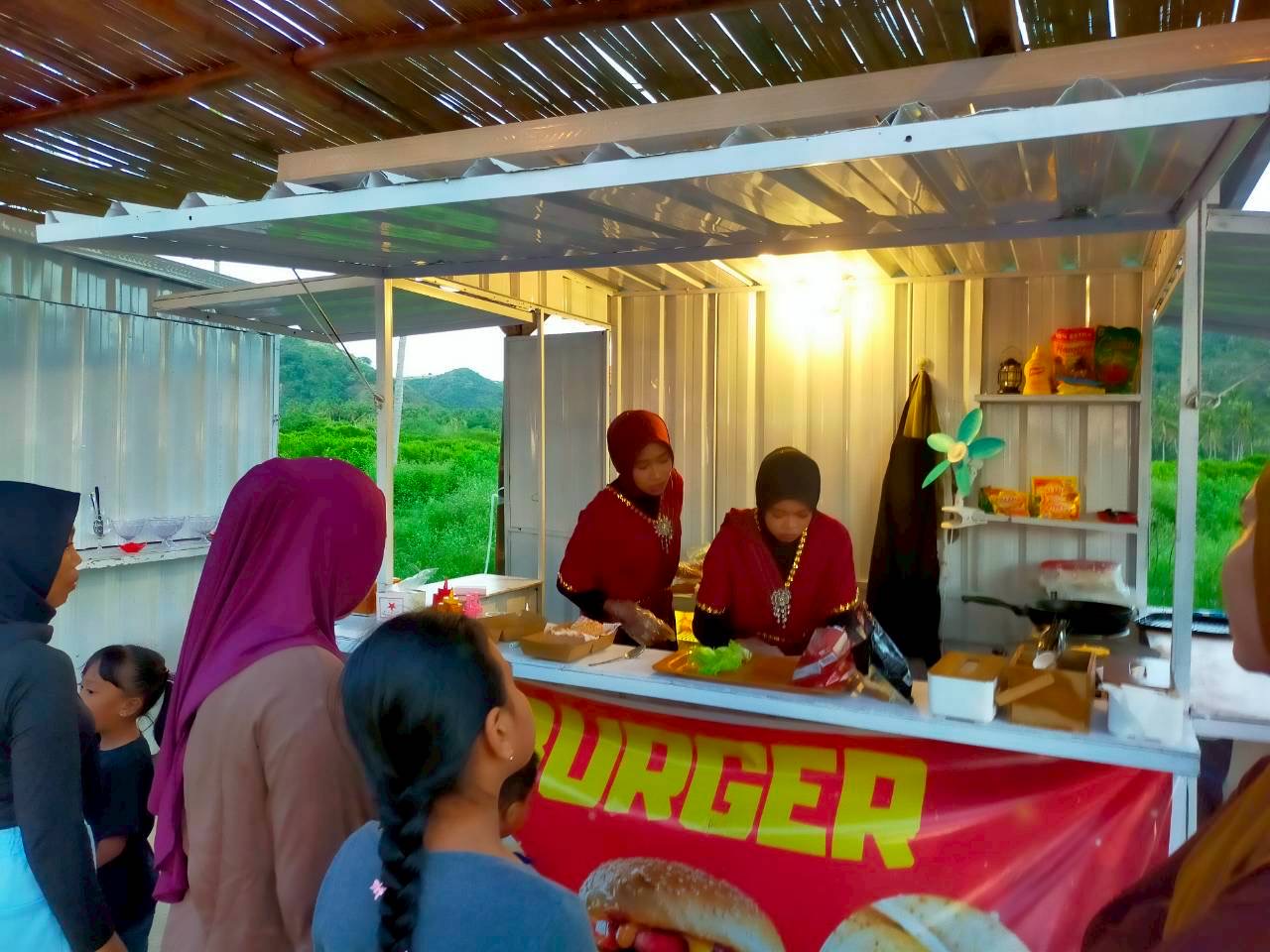
A cafe facing the beach. Breakfast in the morning, Indonesian and Western dishes at lunch, and the sunset in the evening. Wi-Fi available. It’s a place villagers use, so prices are village prices. There are also burgers, kebabs and other dishes for visitors from abroad. The breakfast eggs come from the farm out back.
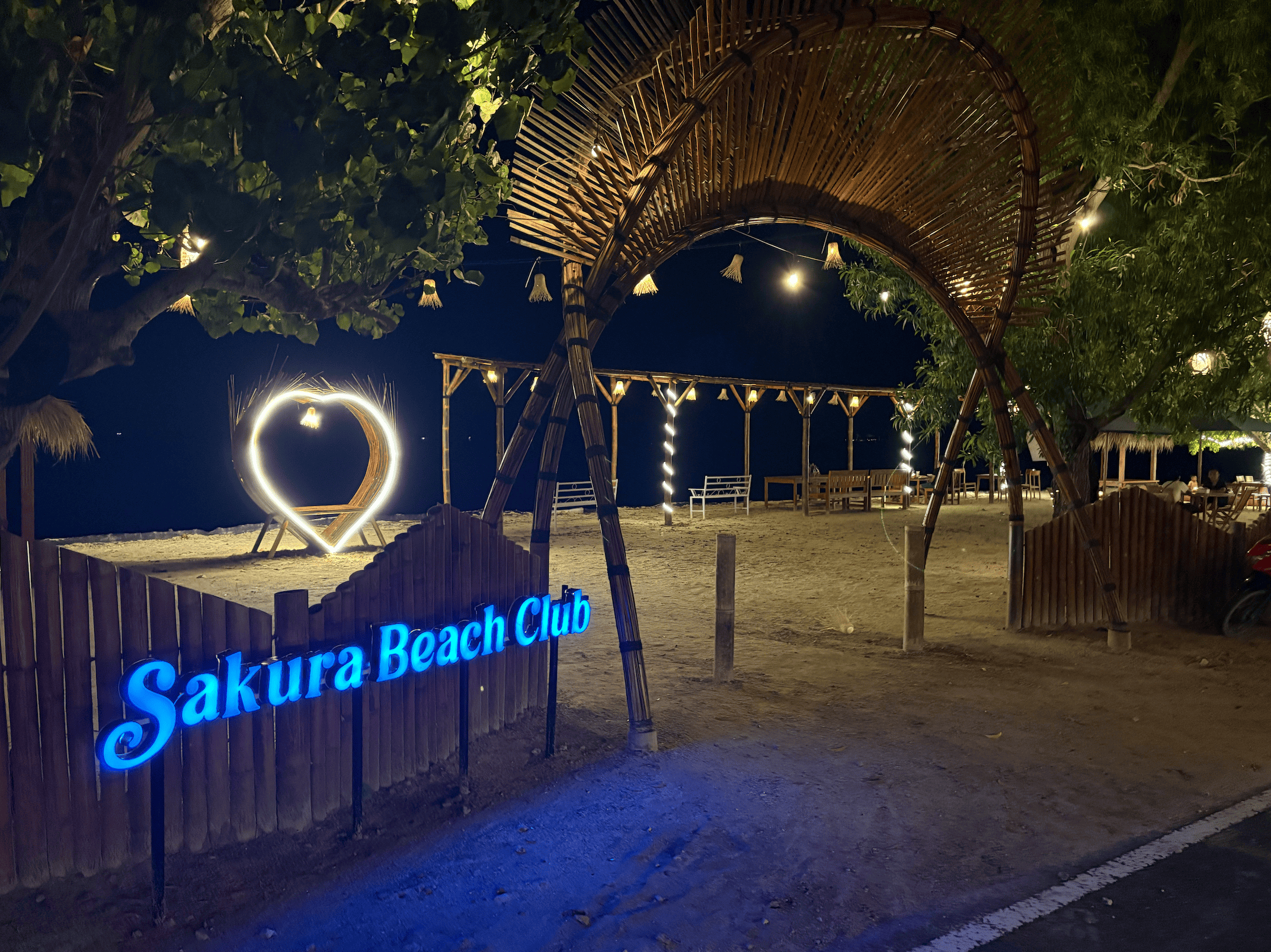
SAKURA BEACH CLUB
Scroll sideways for more
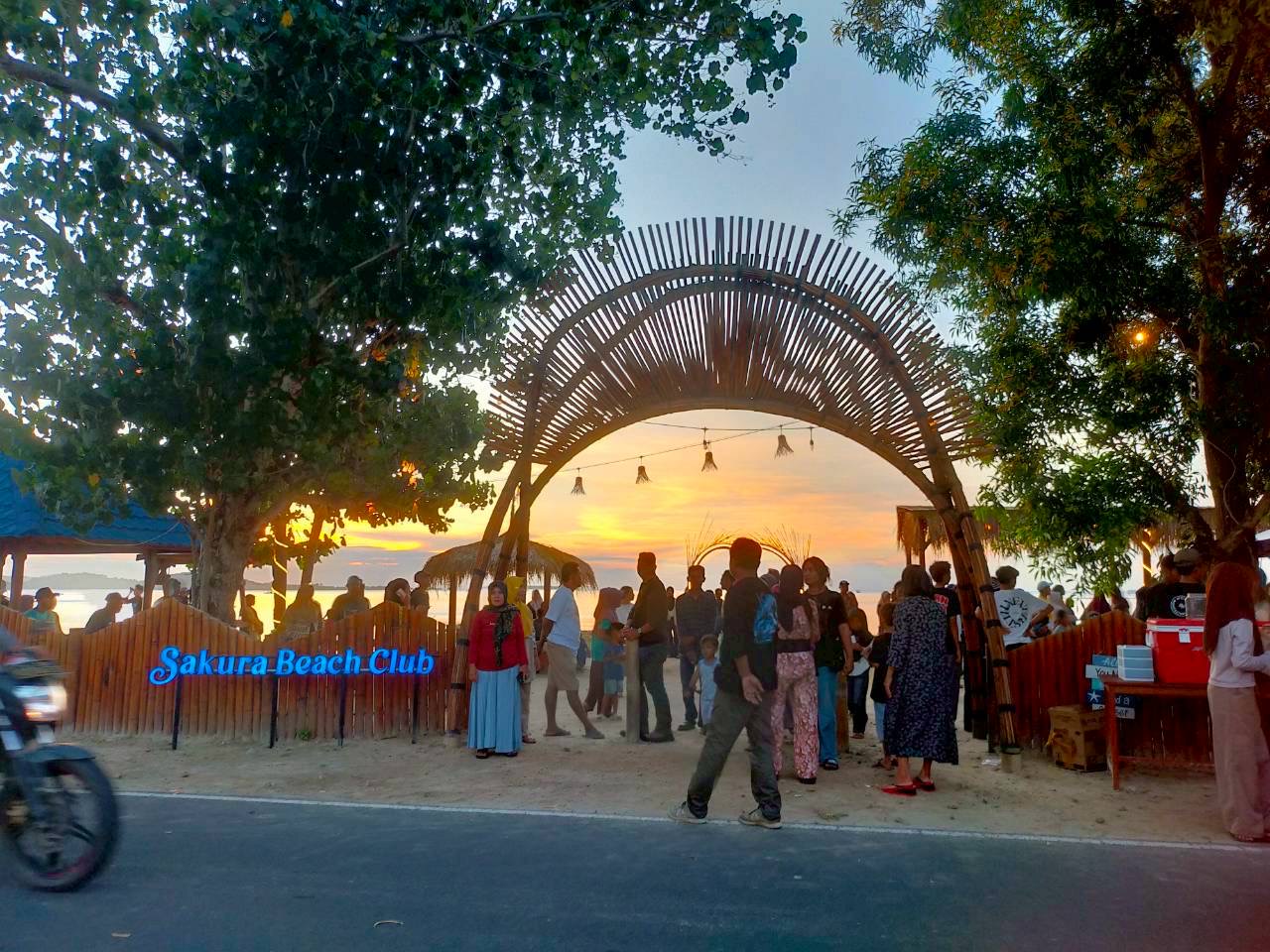
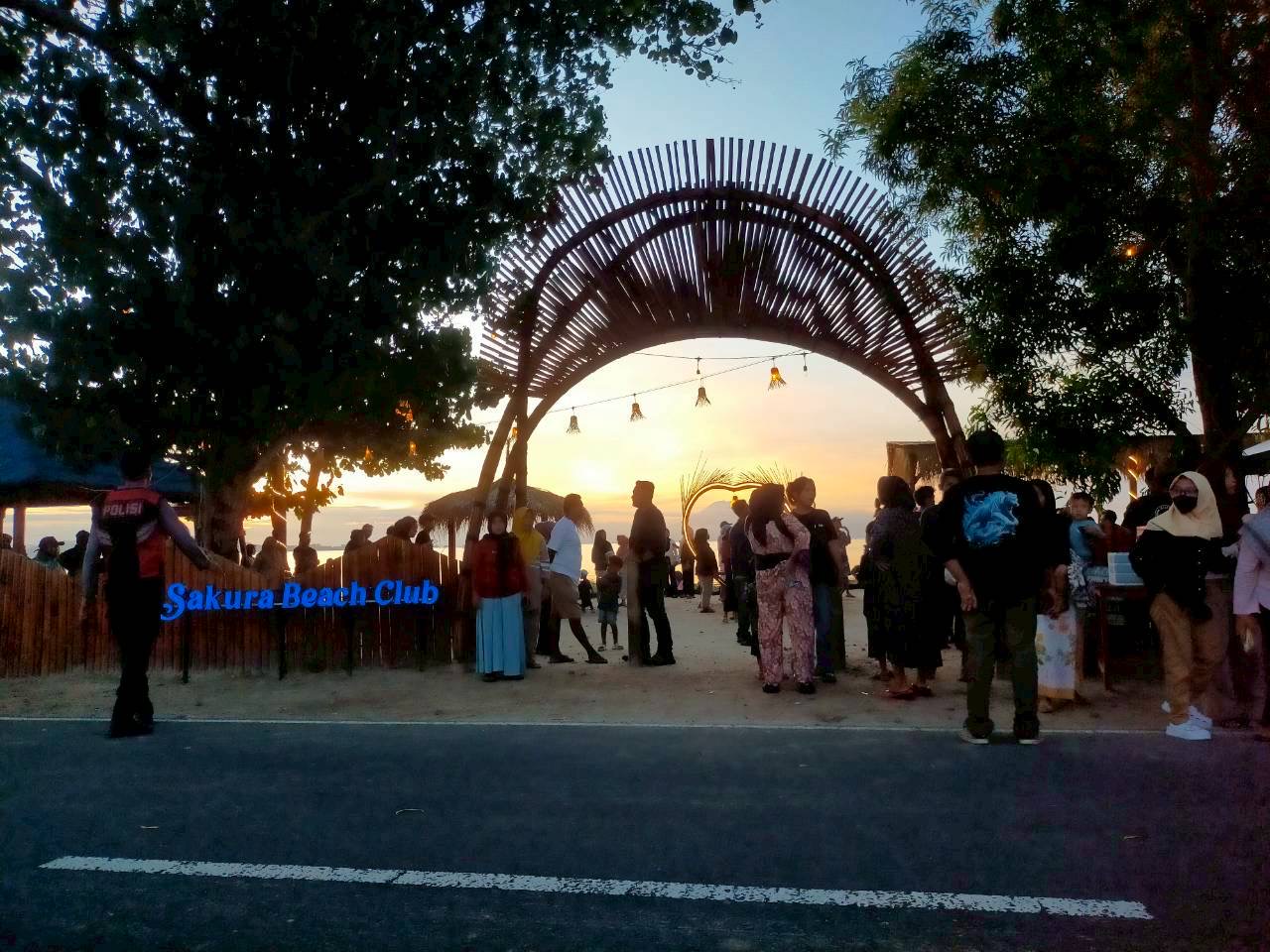
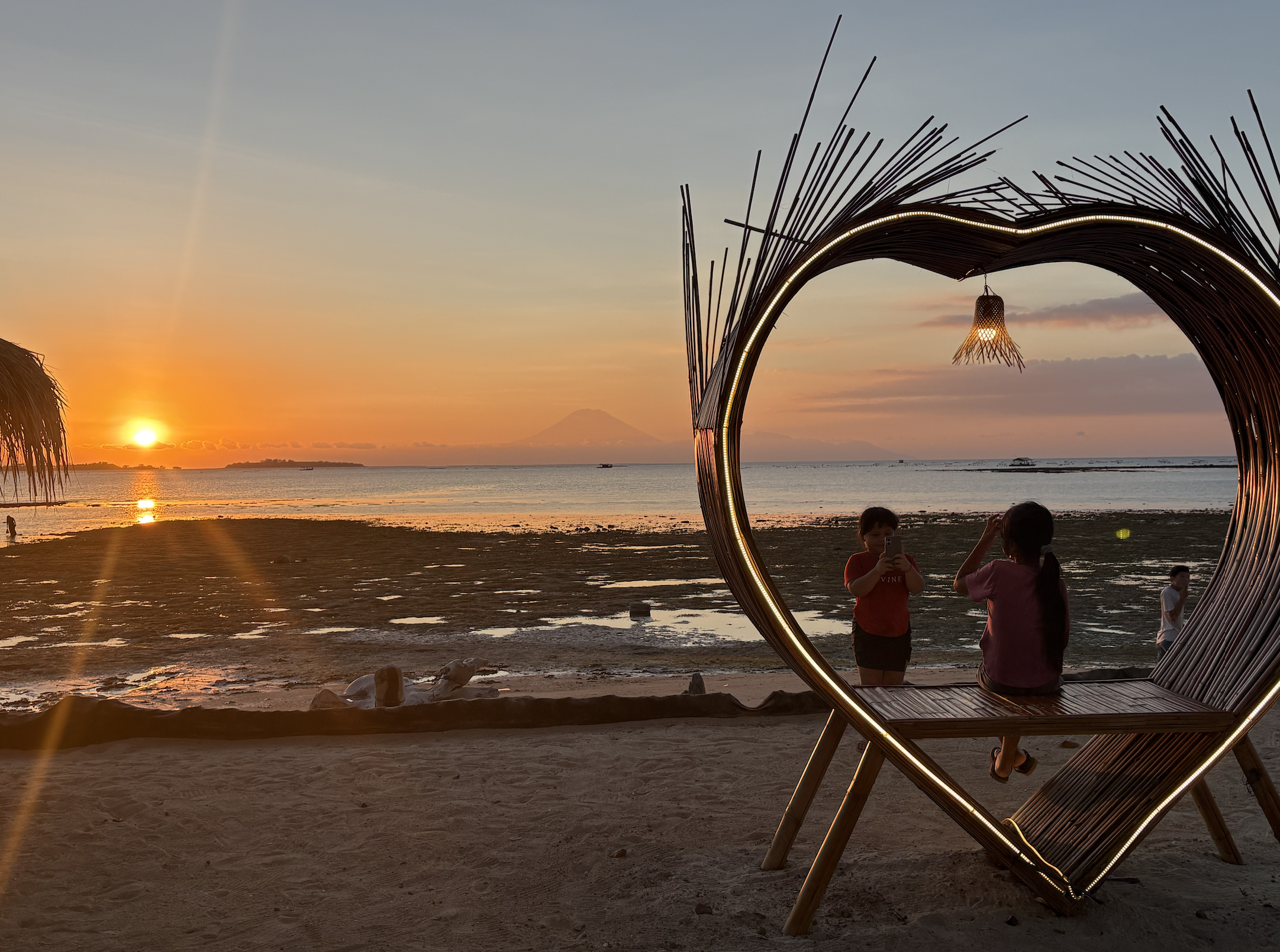
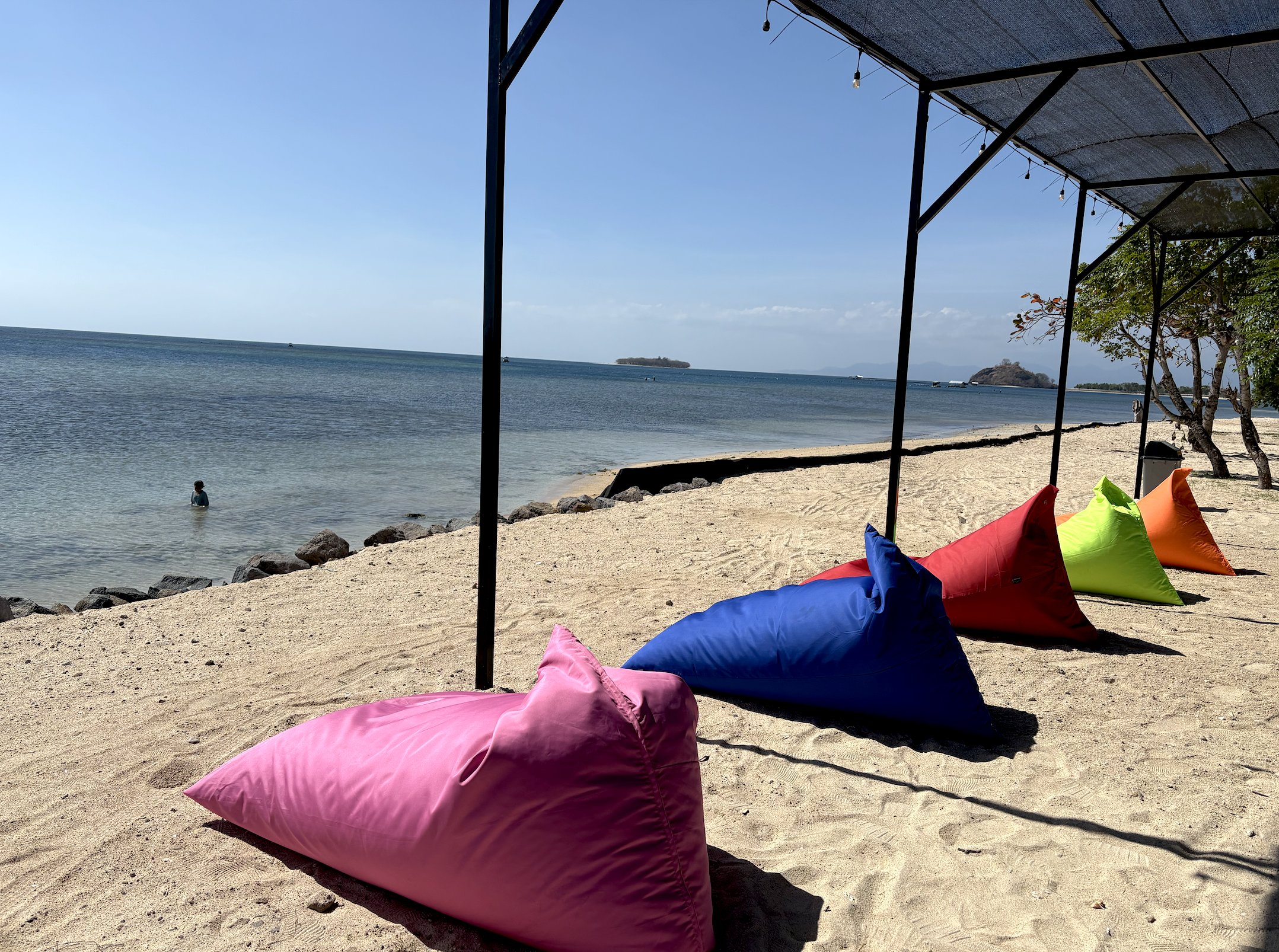
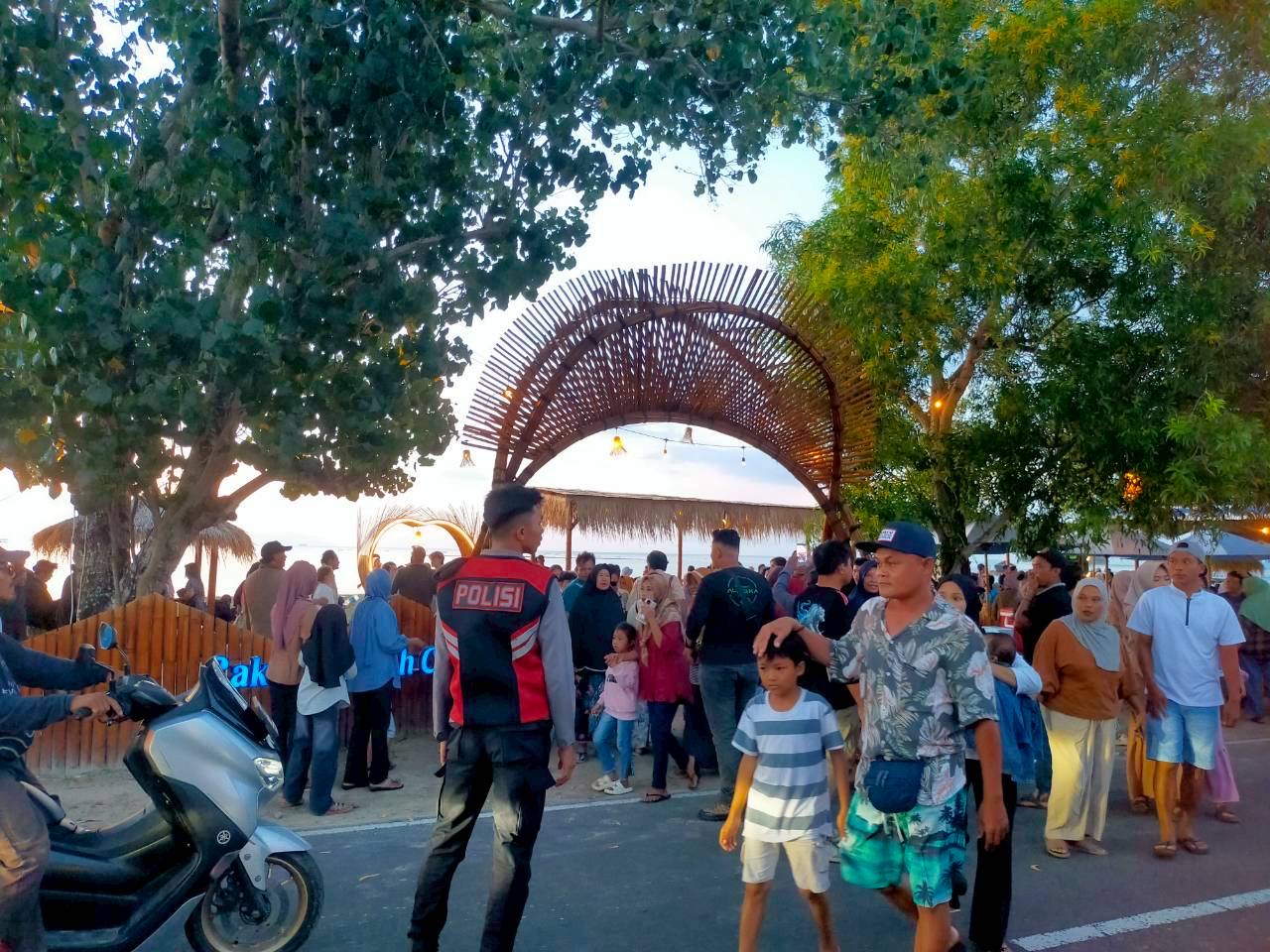
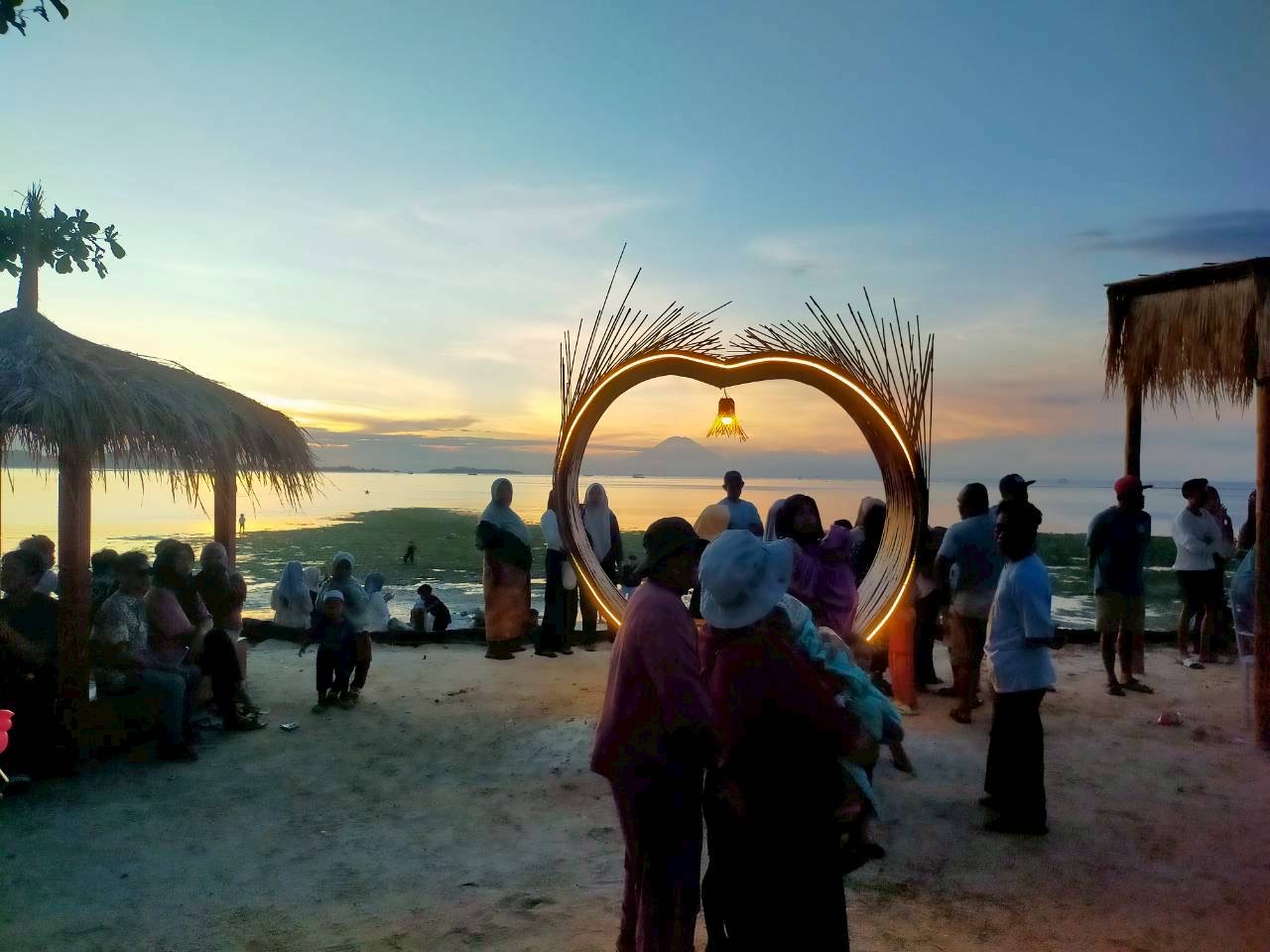
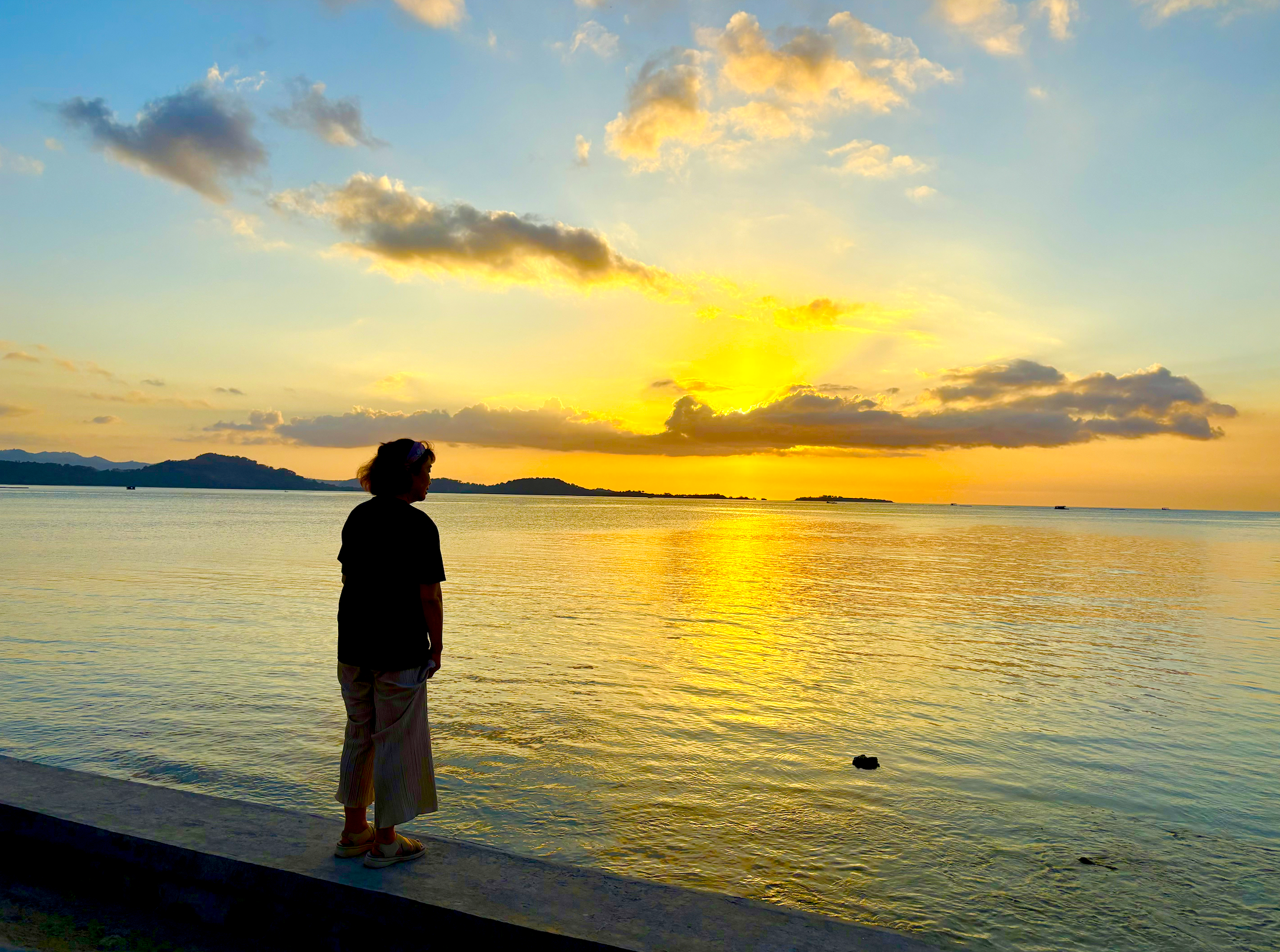
A beach club right on the shoreline. In the evening you can see the sunset and Mount Agung, Bali’s sacred mountain. It’s the only beach club on Lombok that villagers use too. Opened in May 2026.
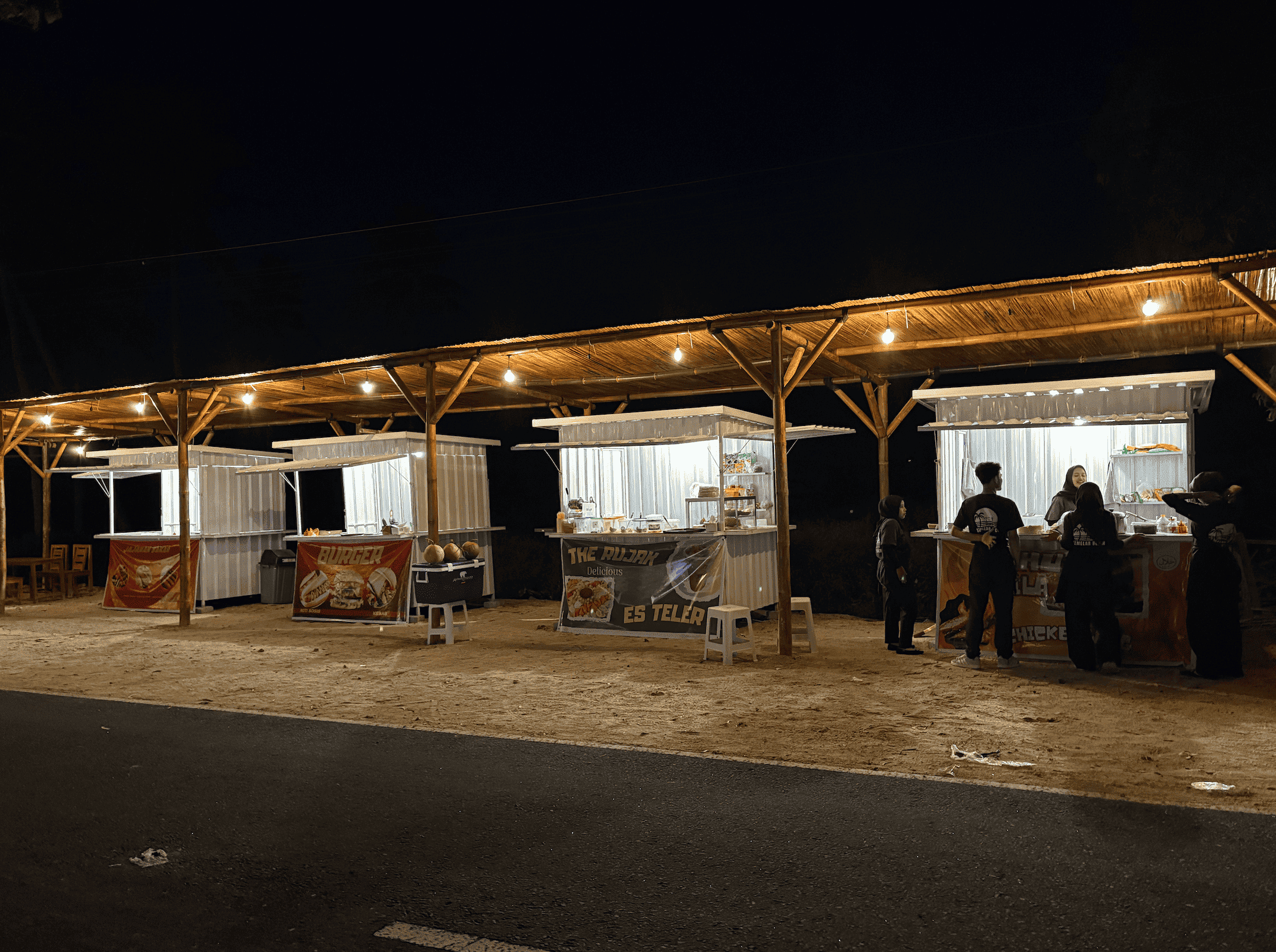
LOCAL FOOD STREET
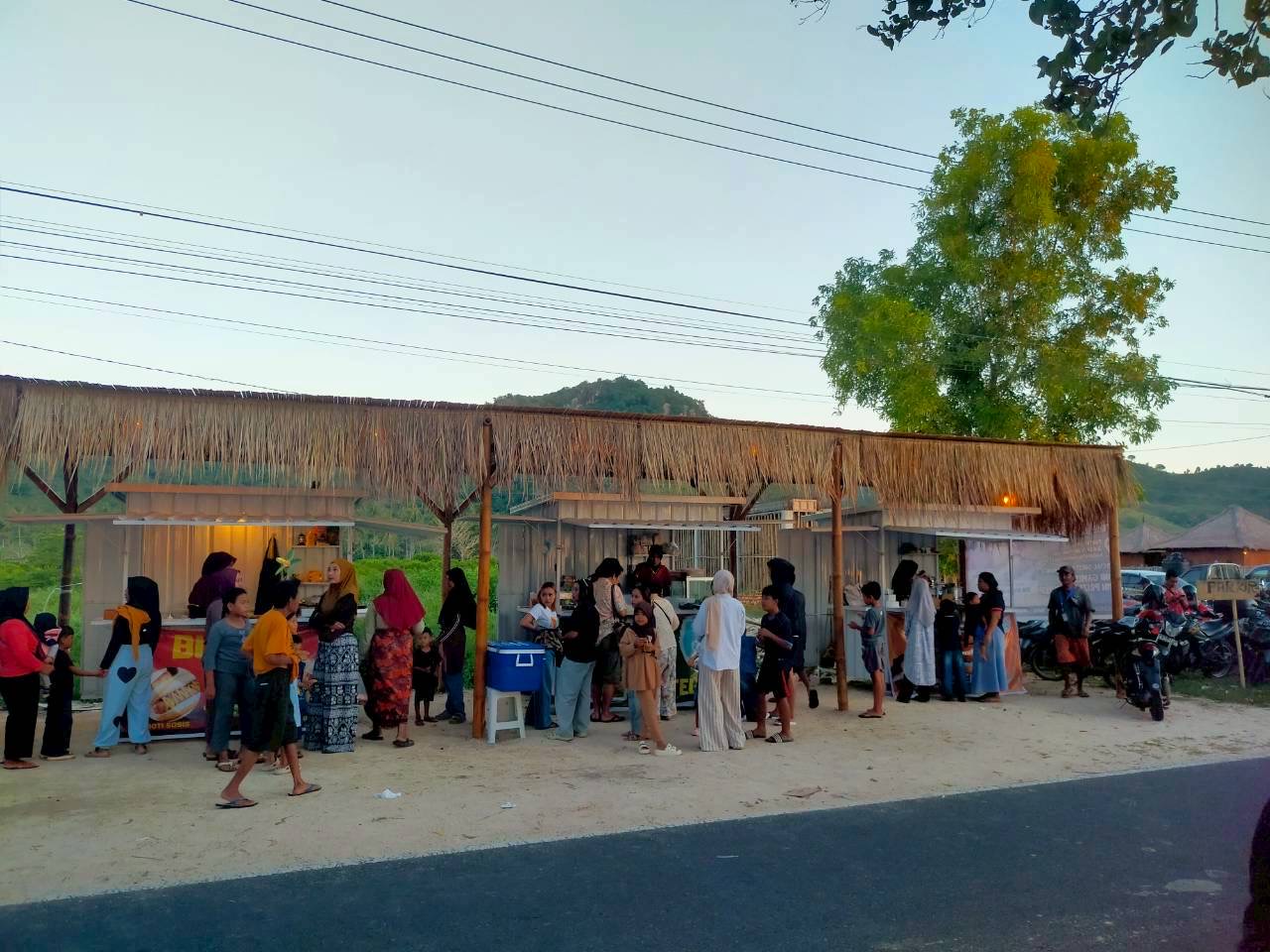
Bamboo stalls hung with lanterns. Nasi goreng, grilled corn, kebabs, meatballs, es campur. From late afternoon, villagers and travellers share the same tables.
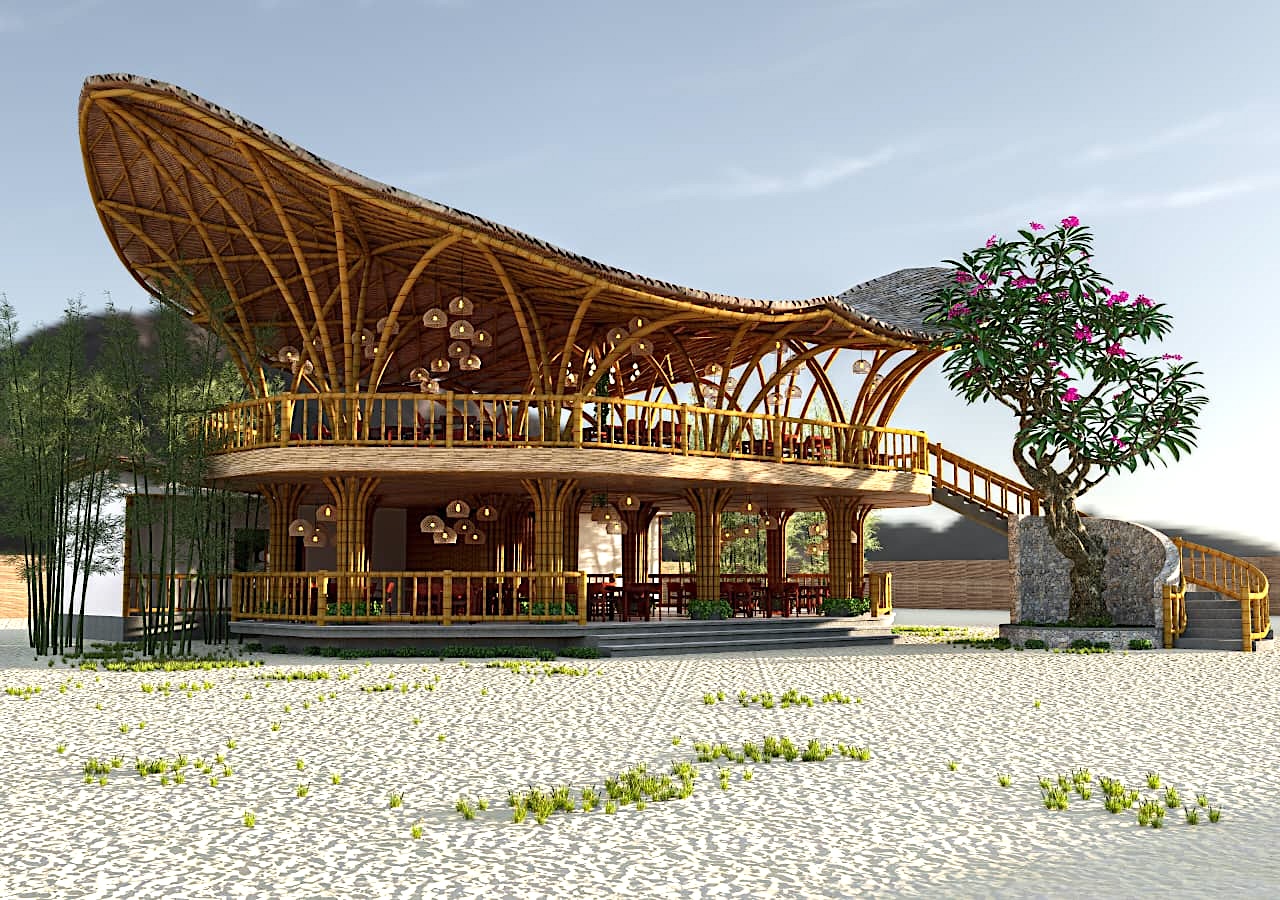
Bamboo Restaurant
More
Sasak food inside a traditional bamboo building. It will be a cafe and bar where you can watch the sunset. The image above is an artist’s impression, not a photo of the site.
The village table and warungs
More
The village table is made from fish landed that morning and vegetables from the garden. Lombok’s signature dishes are ayam taliwang (spicy grilled chicken) and plecing kangkung (water spinach with a spicy sauce). Fish comes as ikan bakar (grilled over charcoal). There’s no pork. Just ask and they’ll make it less spicy.
| Where | What you can eat | Rough price |
|---|---|---|
| The village table | The day’s fish, vegetables and rice. Home cooking | Agreed when you enquire |
| Beach warungs | Nasi campur, grilled fish, sate, coffee | Varies by place |
| Market (mornings) | Fish, fruit and snacks. Shop with villagers | Varies by place |
| Restaurants in Sekotong | Aimed at visitors. Some serve beer | Varies by place |
More in our travel guides.
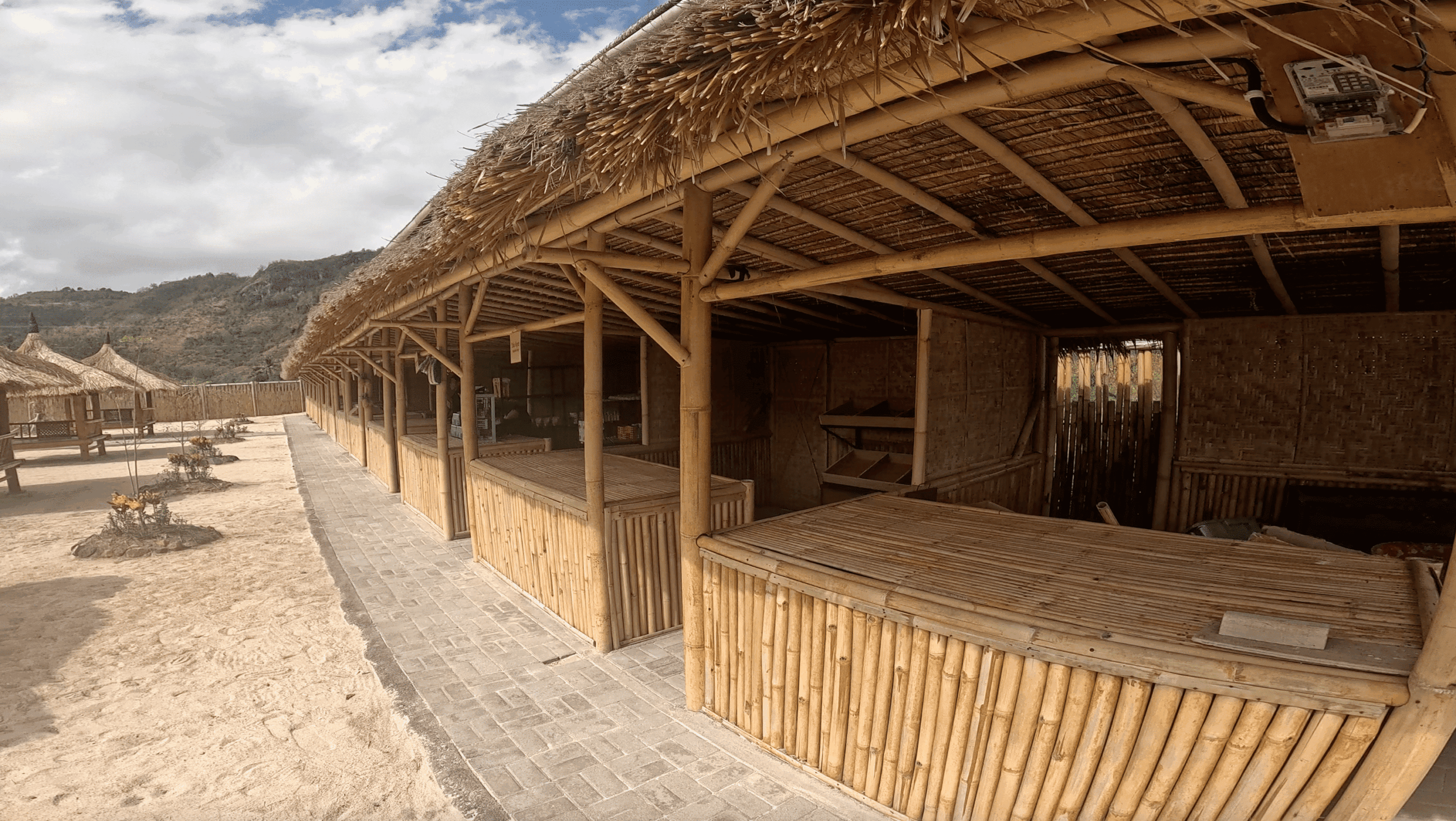
SEMELAR MARKET
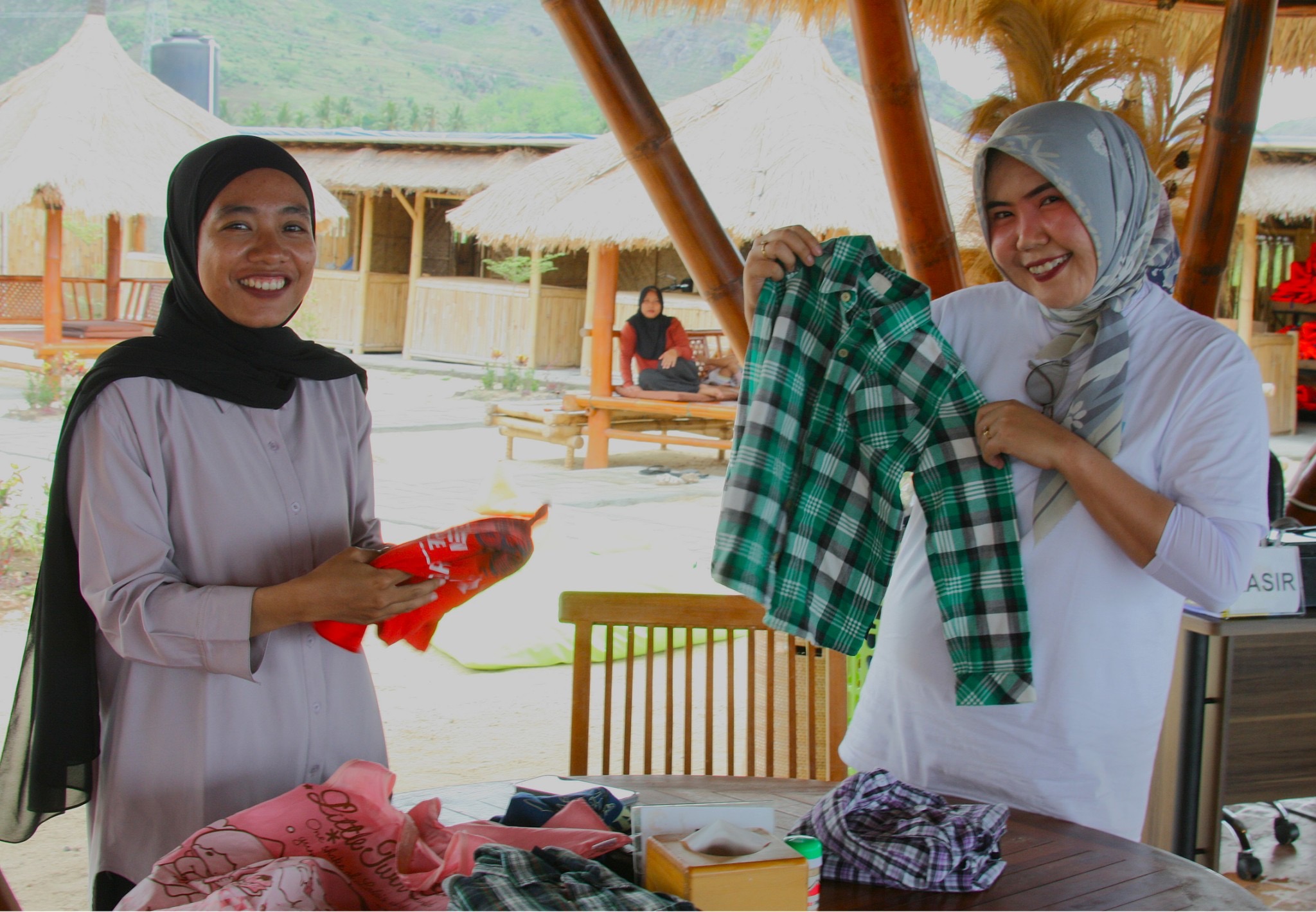
A market of street food, everyday goods and souvenirs: Lombok salt, original T-shirts. The stalls change with the seasons. The food stalls keep to hygiene standards so visitors from abroad can eat with confidence.
Buggy circuit
More
Off-road through forest, hills and along the coast. There’s a beginners’ course and one for experienced drivers. Gear and a briefing are included, so families can ride too.
Drone field
More
A grass field. From flying lessons to FPV racing and aerial photo tours (the coastline and the Gili Islands). Equipment hire available.
On the water (the southern Gilis)
More
Small islands line the sea off Sekotong, and in a boatman’s boat you visit two or three in a day. There are far fewer visitors than on the three northern Gilis (Trawangan, Air and Meno), and having a beach to yourselves is normal here.
| Island | What it’s like | What to do |
|---|---|---|
| Gili Nanggu | A small uninhabited island. White sand and coral | Snorkel, relax on the beach |
| Gili Sudak | Next to Nanggu. Some days there’s a warung | Snorkel, eat |
| Gili Kedis | Tiny. Its shape changes with the tide | Relax on the beach |
| Gili Gede | The largest of the southern Gilis. Has a fishing village and places to stay | Walk, stay, eat |
| Gili Asahan | Has electricity and quiet places to stay | Stay, snorkel |
| Gili Layar / Gili Rengit | Small islands beyond Gede | Snorkel, walk |
Island locations and boat routes are in our travel guides.
Kayaking
More
Paddle out into the bay yourself from the beach in front of SAKURA CAFE. Two- to three-seat paddle kayaks (Rp120,000 an hour, about US$7), one-seat pedal kayaks (Rp175,000, about US$10), and a guided tour to a sandbar island (Rp300,000 per person, about US$17, 90–120 minutes). Life jackets included. Seven kayaks, planned to start in November 2026 alongside the Bamboo Restaurant’s opening.
US$ figures are approximate, at US$1 ≈ Rp17,800 (September 2026).
Chocolate workshop
More
From harvesting the cacao to fermenting, roasting and tempering, in about two hours. Take home the bar you made.
Farm and animals
More
Goats, chickens and ducks. You can feed them and collect eggs. The eggs you collect become breakfast at SAKURA CAFE.
Pearl farm rafts
More
Sekotong’s bay has pearl farms. On the rafts you can watch all the way to the oysters being opened. How to choose pearls to take home, and what they cost, is in our travel guides.
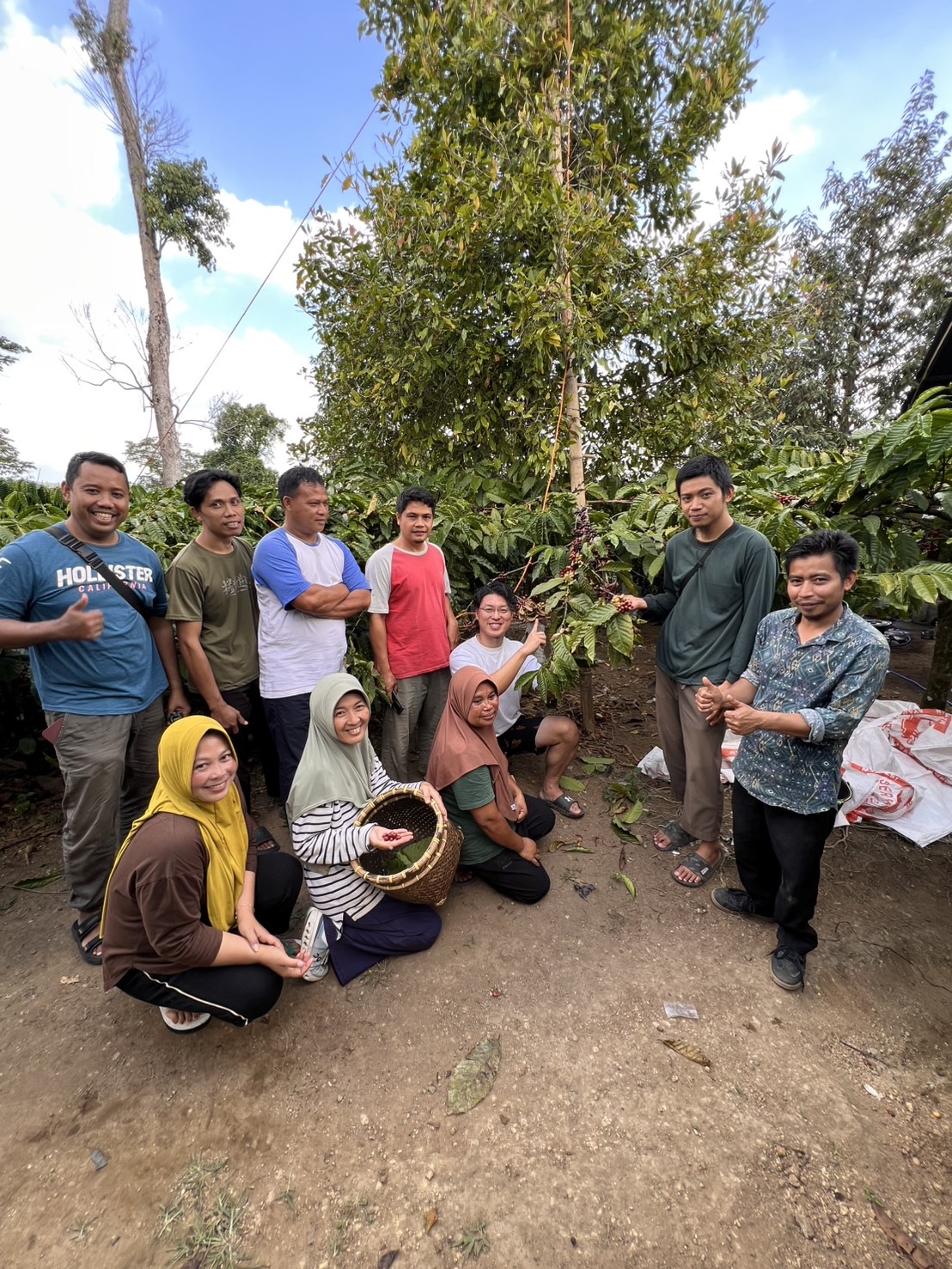
Work in the fields
More
Plant and harvest the season’s crops. Help out and you’ll be given vegetables to take home. What’s growing changes with the season.
Sasak villages and weaving
More
Lombok is the island of the Sasak people. Visit a traditional village and watch the weaving. More in our travel guides.
Cook a dish in a village kitchen
More
Ayam taliwang or plecing kangkung, cooked together with villagers. Whether it can go ahead is decided when you enquire.
Spa and wellness
More
Details are in the spa section of the Stay page.
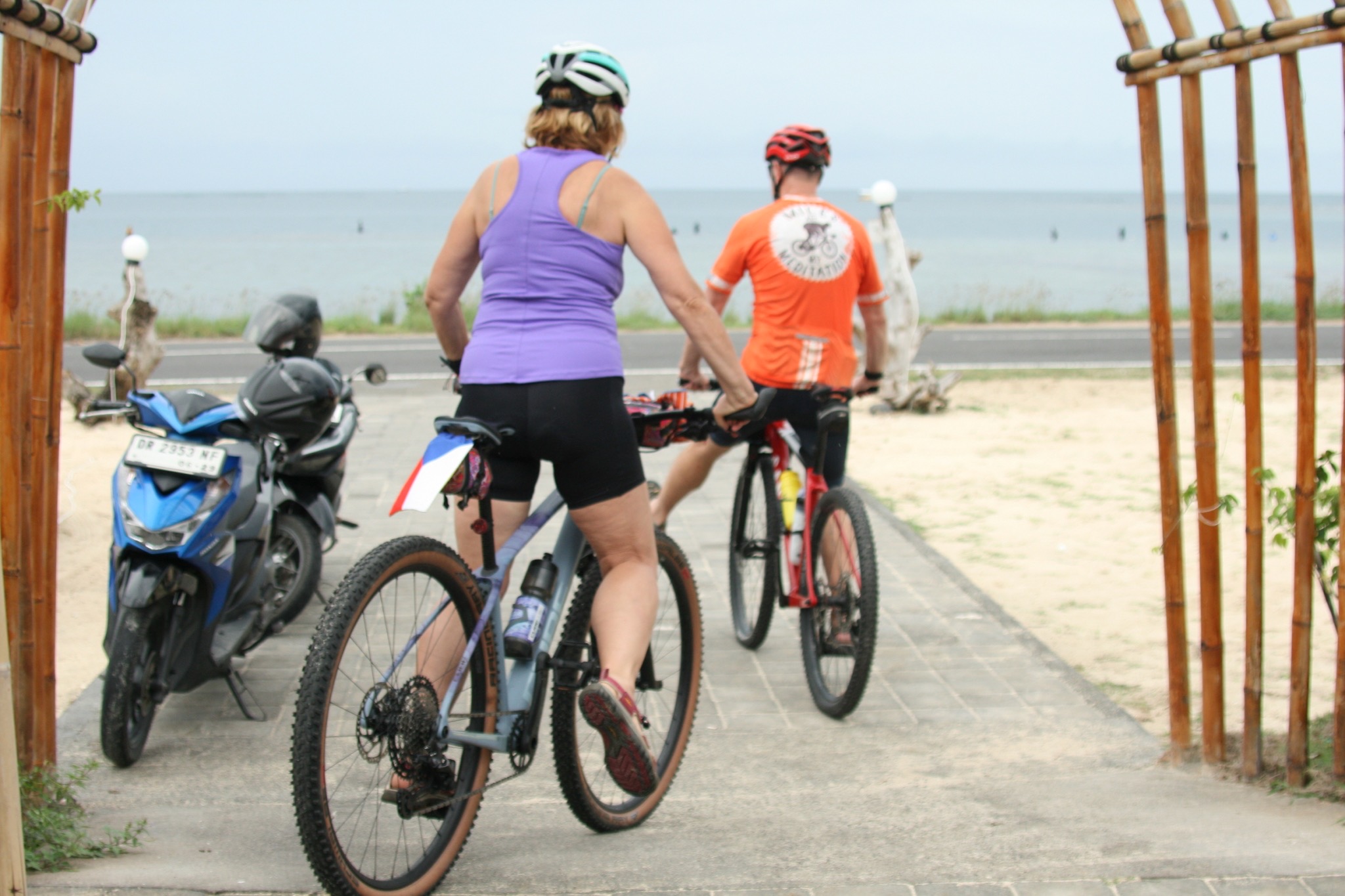
Cycle around the village
More
By bike along the coast road and the village lanes. There are few hills, and you can go back and forth between the shops and the beach.
Elak Elak Beach
More
The beach where villagers come to watch the sunset.
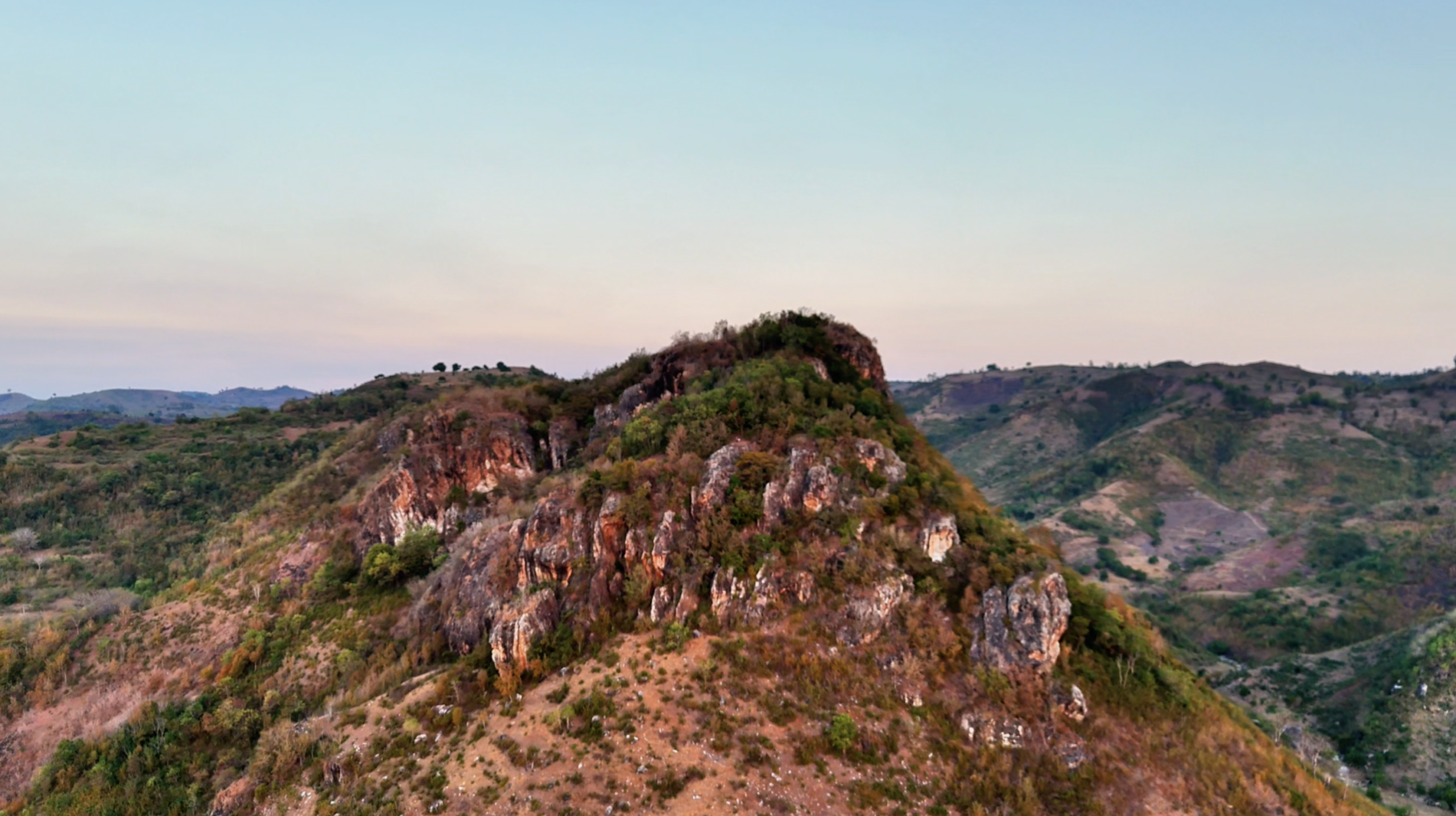
A drive around Sekotong Bay
More
Fishing villages, palm trees and the sea. There are small beaches along the way.
Fishing, and a morning with the fishermen
More
With fishermen on a traditional boat. The fish you catch can be cooked on the spot. The “fishing morning”, heading out by boat at dawn to haul in the nets, is for those staying longer. Whether it’s possible depends on the season.
Half-day trips
More
| Where | What’s there |
|---|---|
| Southern beaches (Selong Belanak, Tanjung Aan, Bukit Merese) | White-sand bays, views from the hill |
| Pink Beach | Pale pink sand. How it looks depends on the tide |
| Kuta Lombok (Mandalika) | Surfing, cafes, the racing circuit |
| Senggigi and Mataram | Towns on the west coast. Shopping, hospitals, money exchange |
| Mount Rinjani | Trailhead village of Senaru. A three-day, two-night climb |
More in our travel guides.
Sample days
Pick activities and tomorrow’s day lines up along the band. Our boatmen and staff arrange it just as it’s shown.
Seasons (dry and wet)
In the dry season (April–October) the sea is clear and boats go out easily. In the wet season (November–March) there’s often heavy rain in the afternoon, and some days the sea is cloudy. Prices are lower in the wet season. Flights cost more over the Christmas and New Year holidays. Month-by-month weather and what to wear are in our travel guides.
| Sea and boats | Prices | Best for | |
|---|---|---|---|
| Dry season, Apr–Oct | Clear. Boats go out almost every day | Higher (Jul–Aug) | A first visit |
| Wet season, Nov–Mar | Cloudy some days. Boats go out in the morning | Lower | Return visits, long stays |
Staying safe
- Wear a life jacket on boats, even if you can swim.
- Some island beaches have rip currents. The boatman decides where it’s safe to go in.
- The sun is strong. Wear a long-sleeved rash guard and reef-safe sunscreen.
- Jellyfish and sea urchins depend on the season and the spot. Don’t walk on rocks barefoot.
- Drink bottled water. Whether ice is safe depends on the place.
More in our travel guides.