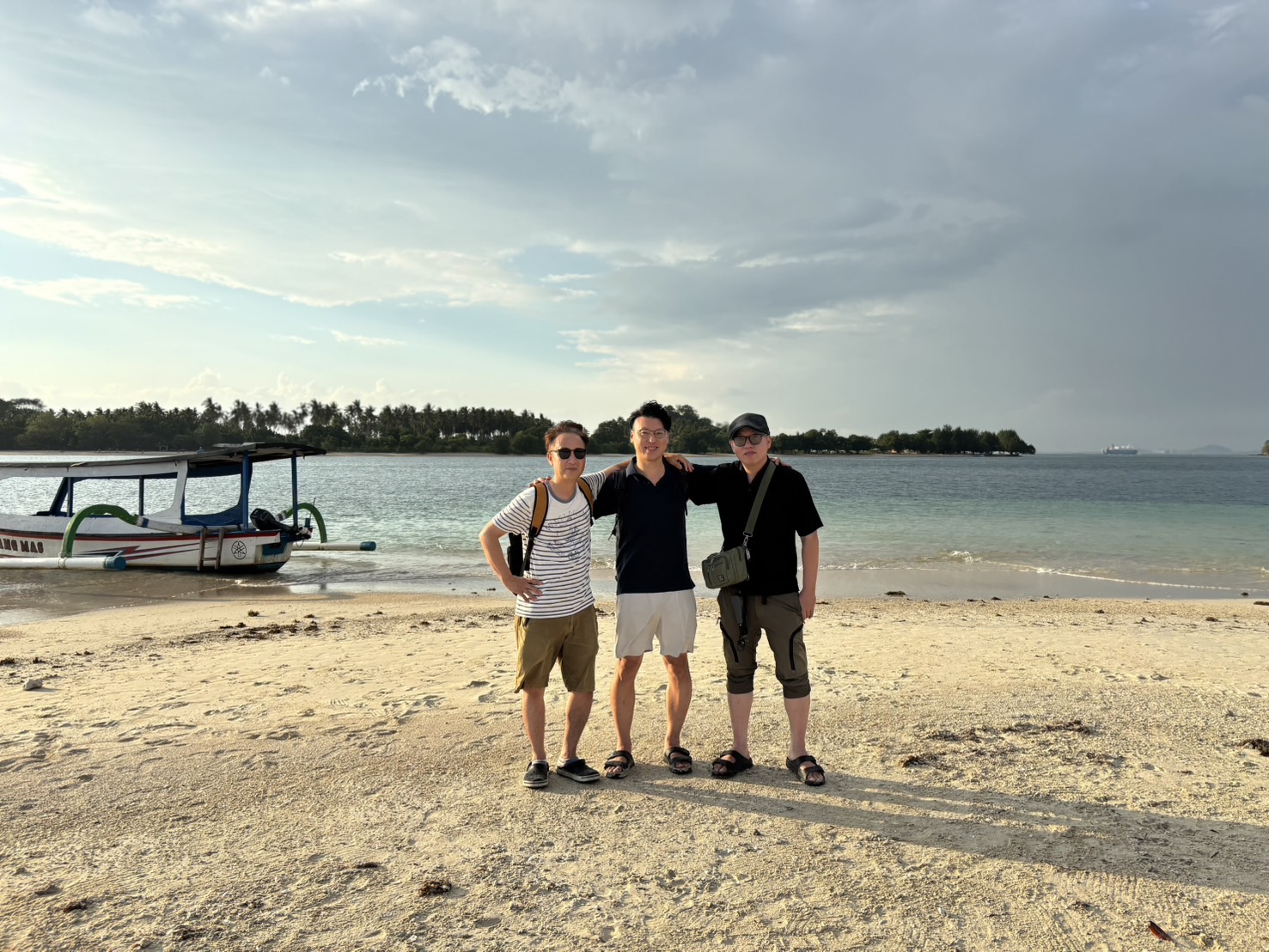
Sekotong’s weather swings between a dry June to September and a wet December to February. In averages for nearby Mataram, August and September have about one rain day each, while January has about 21. The sea stays at about 27 to 29°C all year. Island hopping and snorkelling are easiest to plan in the April to October dry season; in the November to March rainy season, build in a spare day.
For this guide we read climate averages for Mataram (weather2travel), October 2026 statements from Indonesia’s meteorology agency BMKG, a ferry booking site and a traveller’s blog in October 2026, and turned them into practical planning advice. We found no weather station data for Sekotong itself, so the figures are for Mataram, about 50 km away. Monthly water clarity and wave heights for individual beaches could not be confirmed, so they are not included.
This guide is for anyone choosing when to visit Sekotong and the South Gilis, or already booked for the rainy season and planning how to spend the days.
Information as of October 2026
What this article covers
- ✓Rain days, rainfall, air and sea temperatures by month
- ✓When the 2026 rainy season is forecast to start
- ✓Dry-season swell on the open ocean, and how the South Gili waters differ
- ✓The best months for island hopping, snorkelling and kayaking
- ✓How to plan a rainy-season stay and what to pack
In short
The driest months are June to September; the rainy season runs November to March, with January the wettest. The sea is 27 to 29°C all year. Island hopping is easiest to schedule in the dry season; in the rainy season, stay long enough to have two possible boat days.
How much rain does Sekotong get each month?
Sekotong is a fishing district about 50 km southwest of Mataram, Lombok’s capital, around 1 hour 30 minutes by car (We Seek Travel). The chart below shows the Mataram averages published by weather2travel, the closest climate figures we found. They are long-term averages from British university and meteorological data, not the weather of any one year.
Figure: Rain days and rainfall by month (Mataram averages)
August and September are the driest months, with about one rain day each and 30-odd mm of rain. June and July also have only 3 to 5 rain days. January, by contrast, has about 21 rain days and 317 mm, and February about 19. April and October sit in between, each with fewer than ten rain days.
Lombok’s seasons are usually described as a rainy season from November to March and a dry season from April to October. The figures fit that split: rain days rise from November and peak from December to February.
← Scroll sideways to see the whole table
| Month | High / low | Rain days | Rainfall | Sea |
|---|---|---|---|---|
| Jan | 30°C / 23°C | 21 | 317 mm | 28°C |
| Feb | 30°C / 23°C | 19 | 254 mm | 29°C |
| Mar | 31°C / 23°C | 17 | 206 mm | 28°C |
| Apr | 31°C / 22°C | 12 | 105 mm | 29°C |
| May | 31°C / 21°C | 7 | 101 mm | 29°C |
| Jun | 30°C / 20°C | 5 | 51 mm | 28°C |
| Jul | 30°C / 20°C | 3 | 48 mm | 27°C |
| Aug | 31°C / 20°C | 1 | 34 mm | 27°C |
| Sep | 31°C / 21°C | 1 | 36 mm | 27°C |
| Oct | 31°C / 22°C | 3 | 95 mm | 28°C |
| Nov | 31°C / 23°C | 10 | 150 mm | 29°C |
| Dec | 31°C / 23°C | 17 | 219 mm | 29°C |
Source: weather2travel (Mataram averages), not a Sekotong station. Actual years vary.
Air and sea temperatures: can you swim all year, and what to wear?
Daytime highs are 30 to 31°C all year, with almost no seasonal change. The difference is at night: lows of 23°C in the rainy season drop to 20°C in July and August. A light long-sleeved top helps on dry-season mornings and evenings, and on early boats.
The sea is 27 to 29°C, slightly cooler at 27°C from July to September and 29°C around the start and end of the rains. You can swim without a wetsuit, but long snorkelling sessions can still leave you chilled, so a rash guard helps against both cold and sunburn.
The sun is strong. weather2travel puts the maximum UV index at 10 to 11 or above in every month except June, when it is 9. Even on rainy-season days the sun is fierce between showers, so pack a hat and sunscreen whatever the season.
When does the 2026 rainy season start? The BMKG forecast
On 28 October 2026, BMKG’s station for West Nusa Tenggara, the province that includes Lombok, said the province had entered the transition from dry to rainy season (reported by Metro TV). Rain is expected to stay patchy and uneven until early or mid-November, with the rainy season starting gradually from late November into December.
Transition-period rain tends to be convective: local, short to moderate in length, and sometimes with lightning and strong wind, the same statement warned. Afternoons that start clear can turn wet quickly, so planning boat trips for the morning makes them less likely to be disrupted.
In the national forecast, the 2026/2027 rainy season peaks between December 2026 and February 2027, with parts of West Nusa Tenggara peaking in February 2027 (RCTI+, 3 October 2026).
Take care
- In the transition (October to November), expect local heavy showers, lightning and gusts
- Rainy-season timing varies by year. Check the latest forecast the week before you travel
- On days of heavy rain, skip swimming from the beach and boat trips
The dry season sea: southern ocean swell and the sheltered South Gilis
The dry season brings little rain but bigger swell on the open ocean to the south. BMKG’s forecast for 20 to 23 July 2026 expected waves of 2.5 to 4.0 m in the Indian Ocean south of West Nusa Tenggara, and warned that small boats such as fishing boats face risk when winds exceed 15 knots and waves exceed 1.25 m (reported by RCTI+).
That southern swell is what reaches Desert Point (Bangko-Bangko) at Sekotong’s southwest tip. It is known for surfing, and its best months are the dry season from May to October, when wind and swell line up (We Seek Travel).
South Gili island hopping takes small boats around the waters inside the islands. The traveller’s blog homeiswhereyourbagis describes Gili Nanggu’s water, on a high-season visit, as very calm and clear. The same blog notes that Gili Kedis is not good for snorkelling at low tide, so conditions change through the day. On days of big swell offshore, the boatman decides whether to go out.
When is best for island hopping, snorkelling and kayaking?
Figure: How to spend each season in Sekotong
The easiest months to plan island hopping and snorkelling are April to October, when rain is scarce. The ferry booking site Ferryhopper notes that May to September is peak season for boats between Bali and Lombok and recommends booking two to three weeks ahead. If you are arriving by sea, book earlier the drier it gets.
The rainy season is still workable. Ferryhopper describes it as warm but with a bit of rain in the afternoons, and there are usually clear spells for a boat day. The same page also says winds can strengthen and the sea can be rough from November to March. In the rainy season, staying three nights or more gives you two possible boat days, so losing one still leaves time on the water.
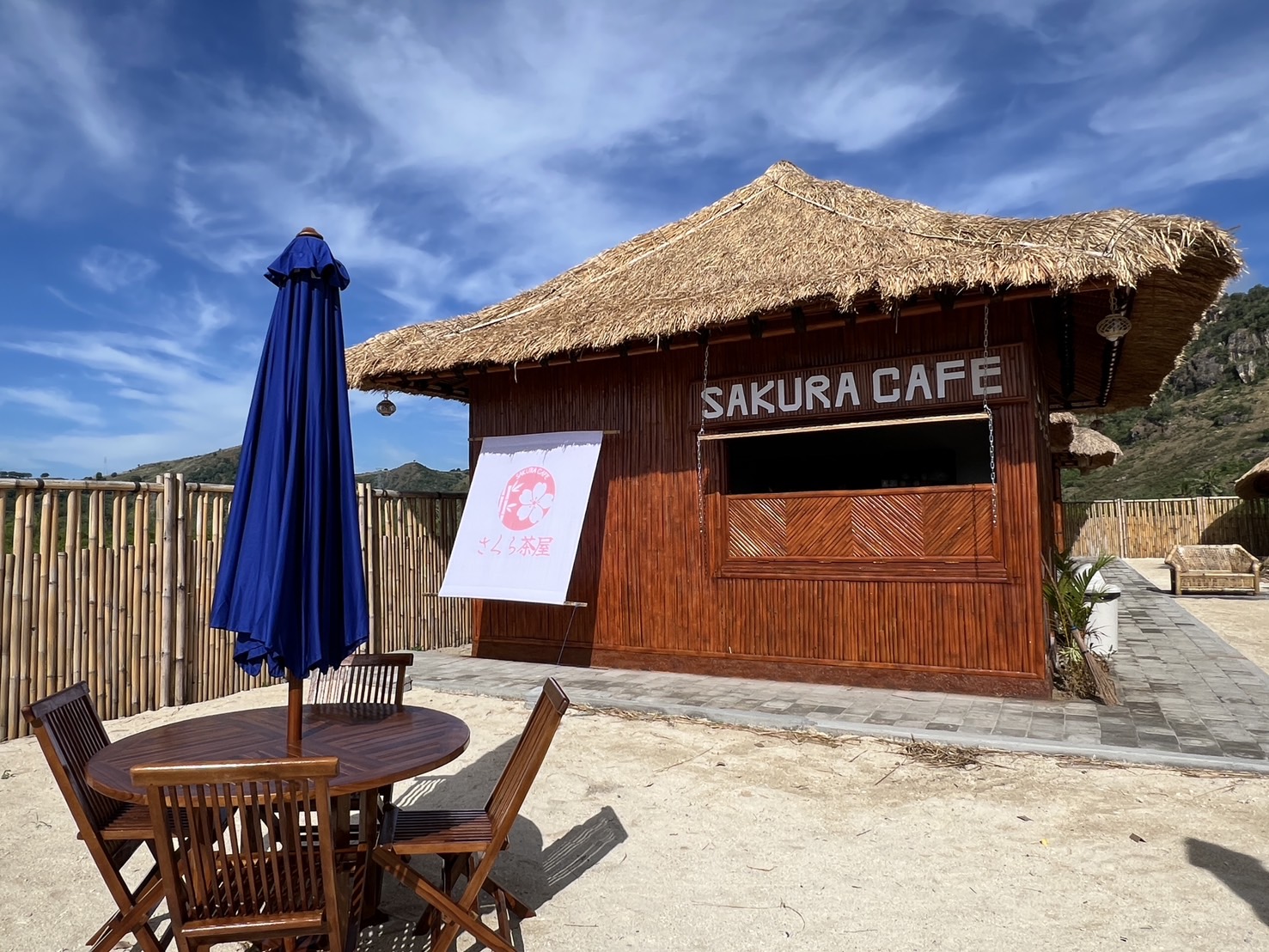
Kayaking at Semelar Beach Village is due to start on 7 November 2026, at the start of the rains, so outings will follow the wind and rain and use the calmer parts of the day. The stay programme runs from 3 nights/4 days to 5 nights/6 days at Rp4,800,000 per person, including airport transfers, local transport, a guide, a welcome dinner and a massage; flights and accommodation are separate. Where you can stay is on our Stay page, what you can do in the village on Things to Do, the beach cafe on SAKURA CAFE, and the route from the airport on Getting Here.
Planning a rainy-season trip to Sekotong: schedule and packing
In the rainy season, put island hopping on the day after you arrive and keep a spare day after it. If rain or wind stops the boats, swap in a day at the beach cafe or in the village. Whatever the season, avoid boat trips on your departure day.
Allow extra time on the road too. The drive from the airport to Sekotong takes about 1 hour 10 minutes, but heavy rain can stretch it. How many nights to stay is covered in How Many Nights in Sekotong?, Lombok’s seasons in the best time to visit Lombok, and rainy-season ideas in our rainy-season guide.
- ✓Does your stay leave two possible boat days?
- ✓No boat trip planned on your departure day
- ✓A folding umbrella or rain gear, and shoes that can get wet
- ✓A waterproof bag for your phone and wallet
- ✓A hat and sunscreen (the sun is strong between showers)
- ✓A light long-sleeved top for dry-season mornings, evenings and boats
A note from Sekotong
Sekotong’s sea can look different in the morning and afternoon, and at high and low tide, on the same day. Our Sekotong sea conditions page is a useful guide for the day you go out. In the end, the boatman decides on the day, based on the wind and waves.
Downsides, and who each season suits
The downsides first. The monthly figures above are Mataram averages and do not describe the rain or wind on any particular Sekotong beach. We could not find monthly figures for water clarity or wave height either. The start of the rains also varies by year, so the BMKG forecast in the week before you travel is the most reliable guide.
June to September, with the least rain, suits travellers who want to build the trip around island hopping and days on the water; it is also peak season for boats, so book early. The November to March rainy season suits travellers with enough nights to mix island days between showers with days on the beach and in the village.
Frequently asked questions
Q. Which month has the least rain in Sekotong?
In the Mataram averages, August and September, with about one rain day each. June and July are also dry, with 3 to 5 rain days (weather2travel).
Q. When is the rainy season?
On Lombok it usually runs from November to March. For 2026, BMKG forecasts the rainy season starting gradually from late November into December (statement of 28 October 2026).
Q. How warm is the sea? Do I need a wetsuit?
About 27 to 29°C all year. You can swim without a wetsuit, but a rash guard helps against cold and sunburn on long snorkelling sessions.
Q. Can I go island hopping in the South Gilis in the rainy season?
Often, between showers, but boats may not go out on windy days or in big waves. Staying three nights or more gives you two possible boat days.
Q. When does kayaking start?
Kayaking at Semelar Beach Village is due to start on 7 November 2026.
Summary
In averages for Mataram, near Sekotong, August and September have about one rain day a month and January about 21. Highs are 30 to 31°C all year and the sea is 27 to 29°C. The 2026 rainy season is forecast to start gradually from late November into December.
Island hopping and snorkelling are easiest to plan from April to October, and boats are busiest from May to September. In the rainy season, stay long enough for two possible boat days and plan time on the water for the mornings (as of October 2026).
Related reading
- South Gili snorkelling and divingThe water around each island and where you can swim from the beach
- Gili Islands weather by monthRain and sea conditions on the northern Gilis
- Kayaking on LombokWhere to paddle, and Sekotong’s seasons and times
What Lombok is like in November and December, from rain and the sea to holidays and events, is in Lombok in November and December.
Weather, the sea, the 2027 holidays and the Rinjani trekking season from April to June are covered in Lombok in April, May and June.
Rain, the sea, the 2027 MotoGP and school breaks in September and October are covered in Lombok in September and October.
SEMELAR BEACH VILLAGE
Come and spend some time in the Sekotong village we call home
About 1 hour 10 minutes by car from Lombok International Airport. We offer a stay programme of 3 nights/4 days or more, with island trips by local boat and sunsets at SAKURA CAFE. The villas are due to be completed in stages from 2027.
Sources used for this article
- weather2travel, “Lombok weather by month” (Mataram monthly averages: temperatures, rain days, rainfall, sea temperature, sunshine, UV)https://www.weather2travel.com/climate-guides/indonesia/lombok
- Metro TV, “BMKG: NTB Mulai Masuki Peralihan Musim Hujan” (28 October 2026; transition-period convective rain, expected start of the rainy season)https://www.metrotvnews.com/read/kpLCvZqA-bmkg-ntb-mulai-masuki-peralihan-musim-hujan
- RCTI+ (iNews), “BMKG Prediksi Musim Hujan Mulai November 2026, Ini Wilayah yang Terdampak” (3 October 2026; rainy-season start and peak)https://www.rctiplus.com/news/detail/inews/5485714/bmkg-prediksi-musim-hujan-mulai-november-2026–ini-wilayah-yang-terdampak
- RCTI+, “BMKG Ingatkan Waspada Gelombang Tinggi 4 Meter di Perairan Indonesia” (20 July 2026; wave forecast for the Indian Ocean south of West Nusa Tenggara, risk thresholds for small boats)https://www.rctiplus.com/news/detail/terkini/5432331/bmkg-ingatkan-waspada-gelombang-tinggi-4-meter-di-perairan-indonesia
- Ferryhopper, “Ferries Padang Bai” (rainy-season wind and sea, May to September peak and booking ahead)https://www.ferryhopper.com/en/ferries/indonesia/padang-bai
- We Seek Travel, “Best Things to Do in Sekotong, Lombok” (updated 14 July 2025; distance and time from Mataram, Desert Point season)https://www.weseektravel.com/best-things-to-do-in-sekotong-lombok/
- homeiswhereyourbagis, “Sekotong Gili Island Hopping” (updated 23 March 2026; Gili Nanggu’s water, Gili Kedis and the tide)https://homeiswhereyourbagis.com/sekotong-gili-island-hopping/