Is Indonesia safe? The short answer: the US State Department rates Indonesia as a whole at Level 2, “Exercise increased caution” (7 July 2026), the second of its four levels, and Australia’s Smartraveller advises a “high degree of caution”; only Central Papua and Highland Papua are rated higher. In the main tourist areas such as Bali and Jakarta, the realistic risks are petty theft, overcharging, scams and road accidents, and the UK government says bag snatching is frequently reported in Bali. The chance of being caught up in violent crime is low, and most visitors finish their trip without serious trouble. But Indonesia is a huge country of more than 10,000 islands, with megacities such as Jakarta, developed resort areas and regional towns where infrastructure is still catching up, and the situation differs a lot from one area to another.
So asking whether “Indonesia” is safe or dangerous is not much help when you are deciding on a trip. It is more useful to know which risks are likely in which area and in which situations. This guide first explains how to read government travel advisories, using the US State Department, the UK Foreign Office (FCDO) and Australia’s Smartraveller, then goes through Bali, Lombok, Jakarta and other regions, the trouble travellers actually run into and how to avoid it, and points for women and solo travellers. Use it as a checklist before you go, whether this is your first visit or your fifth.
Everything here describes general tendencies. The security situation changes, so check your own government’s latest advice for Indonesia before you travel. Each of the three advisories above has a page for Indonesia with the national level and the regions that are rated differently.
Information as of November 2026
What this article covers
- ✓How government advisory levels work, and where Indonesia stands in November 2026
- ✓Area by area: Bali, Lombok, Jakarta and other regions
- ✓The trouble travellers really meet: theft, overcharging, road accidents, money changers and scams
- ✓Health, phones and other preparation
- ✓Points for women and solo travellers
In short
The US rates Indonesia at Level 2, “Exercise increased caution” (7 July 2026), with Level 4 “Do not travel” only for Central Papua and Highland Papua. In tourist areas the realistic risks are petty theft, overcharging, scams and road accidents rather than violent crime.
How to read government travel advisories, and where Indonesia stands
When you look into safety in Indonesia, start with official government advice rather than scattered social media posts and travel stories. Governments update their advice country by country and region by region. The US State Department uses four levels, from Level 1 “Exercise normal precautions” to Level 4 “Do not travel”.
Figure: The four US State Department advisory levels
As of November 2026, the US advisory for Indonesia is Level 2, issued on 7 July 2026. It mentions the risk of terrorism, frequent demonstrations that can turn violent, and natural disasters such as earthquakes, tsunamis and volcanic eruptions. Central Papua (Papua Tengah) and Highland Papua (Papua Pegunungan) are Level 4, “Do not travel”, because of civil unrest. Australia’s Smartraveller advises a “high degree of caution” for Indonesia overall and says to “reconsider your need to travel” to the same two provinces. Bali and Lombok are not given a separate, higher level by either government.
Because Indonesia is so large, the rating for a few provinces can be very different from the rating for the places most visitors go. Do not stop at the country name: check the region and city you will actually visit. Advice is also updated between trips, so look again shortly before you leave, not only when you book. If your government offers travel alert emails or a traveller registration service, signing up means you will hear about warnings and can be contacted in an emergency.
Safety area by area in Indonesia
The biggest factor in Indonesian safety is the area. Islands with developed tourism and places without it call for different kinds of care. Here are the general tendencies in the areas most travellers visit.
Bali
Bali’s tourist areas, such as Kuta, Seminyak and Ubud, have relatively good infrastructure, and hotel and restaurant staff are used to visitors. Because tourists are concentrated there, petty crime and tourist-area trouble are the things to watch: pickpocketing and bag snatching, overcharging taxis and disputes over rented motorbikes. The UK government says bag snatching is frequently reported in Bali. In nightlife areas such as Kuta, trouble linked to drinking is also reported. Keep an eye on your valuables in quiet lanes at night and around the beach.
Bali also has Nyepi, the Balinese Hindu day of silence, when the airport closes and going out and using lights are restricted across the island. In 2027 Nyepi falls on 8 March. It is a matter of planning rather than safety, but if your dates are close to it, check how your flights and transfers are affected.
Lombok
Lombok, east of Bali, has seen resort development in recent years, but many areas still have far less tourist infrastructure than Bali. With fewer crowds, the risk of pickpocketing in a crush can be lower, but in areas with few street lights and few people at night it is better not to walk alone. Roads and traffic also differ from Bali’s main areas, so local information matters more if you plan to ride a motorbike. The Gili Islands off Lombok have no motor vehicles in many areas, and getting around and reaching medical care work differently from the main island.
Nationwide protests in late August 2025 also reached Lombok’s capital, Mataram, where the provincial parliament complex was set on fire on 30 August. In Jakarta the situation had calmed by 31 August, although protests continued in some cities on 1 September. Demonstrations can happen again, so check current news and your government’s advice before you travel.
Jakarta
The capital is a major city that many people pass through on business or on a connection. Central office districts and shopping malls have security guards, but the city has the traffic jams and road accident risks of any megacity, and bag theft and pickpocketing in busy districts. Losing sight of your bag for a moment in a crowd is a typical pattern. Keep away from areas where demonstrations or rallies are taking place, and use a reliable ride-hailing app at night. Warnings for particular areas can change with the political situation, so checking the latest advice is especially important here. Even on a short connection, look up in advance how long the trip from the airport into the city takes. Rail links and toll roads between the airport and the city are improving, and at some times of day the train is less affected by traffic.
Other regions (Yogyakarta, Sulawesi and beyond)
Yogyakarta, known for Borobudur, and regional towns on Sulawesi and Sumatra often have less tourist infrastructure and English support than Bali. Money changers and hospitals are fewer, so prepare information in advance. Indonesia lies on the Pacific Ring of Fire, and earthquakes and volcanic activity are frequent. The UK government notes that a tsunami can arrive within minutes of a major earthquake near the shore, and that volcanoes can erupt without warning and exclusion zones can change at short notice. Check natural hazard information alongside the security advice. If your route leaves the usual tourist trail, look at your government’s advice for that province in particular. If you are unsure about independent travel, joining a guided tour or using an established local tour company is one way to balance safety and comfort.
Figure: Safety tendencies by area in Indonesia
The trouble travellers actually meet, and how to avoid it
Most trouble reported by travellers in Indonesia is not murder or robbery but the petty crime and money disputes common in tourist areas. As in any country, people are targeted at the moment they relax or when they have to deal with something alone. Here are the main patterns, with what to do about each.
Pickpocketing and bag snatching
The risk rises where people are packed together: markets, night markets and crowded beach clubs. There are reports of two people on a motorbike snatching a pedestrian’s bag and riding off, so take care when walking along roads. Carry a cross-body bag on the building side, spread your valuables, and do not walk with your phone in your hand. Do not leave valuables on the beach or by the pool while you swim.
Overcharging
Taxis that do not use the meter, and motorbike rental or tours that do not state a price first, are the classic sources of overcharging. Touts in airport arrivals quoting more than the going rate are a typical example. The UK government advises using only registered taxi companies such as Bluebird, Silverbird or Express, and sharing your journey with a friend when you use an app. Use ride-hailing apps such as Gojek or Grab, check the fare before you get in, and choose rental and tour operators with plenty of reviews. At massage shops and souvenir shops, the price quoted at the start can differ from the bill, so agree the amount before you pay.
Road accidents
Road accidents are one of the biggest risks on a trip to Indonesia. Motorbike traffic is very heavy, and lane discipline and traffic lights work differently from what many visitors are used to. Indonesia is a party only to the 1968 Vienna Convention on road traffic, not the 1949 Geneva Convention, so whether your International Driving Permit is valid depends on the type your country issues. The UK government says UK visitors need a 1968-type permit and cannot drive on a UK licence alone, the US State Department says to carry an International Driving Permit, and Smartraveller says an Australian licence alone is not enough. Wear a helmet and avoid riding at night or in heavy rain. Smartraveller notes that motorbike accidents have killed and injured Australians, particularly in Bali, Lombok and the Gili Islands. Take out travel insurance before you go, and check what the rental company’s insurance covers.
Money changers, scams and card fraud
Some money changers short-change customers by miscounting or by sleight of hand. Be wary of small booths advertising unusually good rates. The UK government advises using only licensed changers that show the Bank Indonesia logo and a QR code you can check. Count the money in front of the staff before you hand over yours and when you receive it, and read the calculator display yourself. Smartraveller also warns of gambling card scams, particularly in Bali. If a friendly stranger steers the conversation towards gambling or an “investment”, do not decide on the spot; walk away.
The UK government says credit card fraud is common: do not let your card out of sight, and note that criminals have put fake phone numbers on ATMs to collect card details. Use ATMs inside banks or shopping malls, check the card slot and keypad for anything attached, and cover the keypad as you type. Check your card statements in the app often, and keep your card company’s emergency number somewhere other than your phone. Splitting cash and cards between the hotel safe and the wallet you carry limits the damage if something is lost or stolen.
Phones and contacts
How quickly you can deal with trouble depends on staying connected. Arrange a local SIM, an eSIM or a pocket Wi-Fi router on arrival so you can use ride-hailing and map apps and make calls in an emergency. Keep the numbers of your accommodation and of your country’s embassy or consulate in Indonesia somewhere other than your phone, such as on paper or in cloud storage, in case you lose the device.
Health and hygiene
It is not crime, but health is easy to overlook. The US State Department says tap water is not safe to drink in many areas, so drink bottled water, and choose street food that is cooked through. Smartraveller says dengue is common and that waterborne and foodborne illness is widespread; use insect repellent and cover up. Rabies is present throughout Indonesia, so get medical care urgently after any animal bite or scratch. Visitors usually have to pay for medical care up front, so check your travel insurance includes medical treatment and evacuation. If you have a medical condition, see a travel clinic before you go and look up hospitals near where you will stay.
Points for women and solo travellers
Women travelling alone or in small groups should keep a few extra points in mind. The UK government says reported cases of rape and sexual assault are high in Bali and Lombok, and that drink spiking linked to sexual assault has been reported in Bali, Lombok and the Gili Islands. Avoid going out alone at night, especially into quiet lanes, beaches and newly developed areas with few street lights, and use a reliable ride-hailing app. If you land at night, book a hotel pickup in advance. Choose accommodation with plenty of reviews from women; reviews that mention the safety of the location and how easy it is to come and go at night are useful.
When you visit temples, mosques and other religious sites, cover your shoulders and knees, and carry a sarong or shawl. Indonesia has a Muslim majority, and some areas have conservative values, so very revealing clothes can attract unwanted attention. Smartraveller notes that eating, drinking and smoking in public during Ramadan may be illegal in places. Do not take your eyes off your drink, and be careful with invitations from people you have just met. The UK government warns that methanol poisoning has come from drinks bought in licensed bars, shops and hotels in tourist areas, and that methanol cannot be detected by taste or smell. Share your location and plans with family or friends, and consider posting on social media after you have moved on, so strangers cannot follow your movements in real time.
Quick reference: risks by area
Here is a summary to look back at while you plan. These are general tendencies; check your government’s current advice before you travel.
← Scroll sideways to see the whole table
| Area | Tourist infrastructure | Main risks | What to watch |
|---|---|---|---|
| Bali (Kuta, Seminyak and others) | Good | Pickpocketing, bag snatching, overcharging, motorbike accidents | Valuables in crowded areas, riding safely |
| Lombok | Varies by area | Walking alone at night, road conditions | Avoid quiet places, arrange transport in advance |
| Jakarta | Good in the centre | Road accidents, bag theft, demonstrations and rallies | Use ride-hailing, keep away from rallies |
| Regional towns such as Yogyakarta | Depends on the route | Trouble from lack of information, natural hazards | Research in advance, check the latest advice |
General tendencies as of November 2026.
Frequently asked questions
Q. Is there a travel warning for Indonesia?
The US rates Indonesia overall at Level 2, “Exercise increased caution” (7 July 2026). Only Central Papua and Highland Papua are Level 4, “Do not travel”. Australia advises a high degree of caution overall. Bali and Lombok have no separate, higher level. Check your own government’s advice shortly before you leave.
Q. Should I avoid going out at night?
It depends on the area, but even in tourist areas it is better not to go alone into quiet lanes, beaches or roads with few street lights. Use ride-hailing rather than walking, and go out in a group if you can. Asking hotel or restaurant staff which areas to avoid at night is a good way to get current local information.
Q. What trouble is most likely?
Petty crime such as pickpocketing and overcharging, and road accidents, are far more likely than violent crime. If you rent a motorbike, check your permit, wear a helmet and have travel insurance. Watching your bags and counting money at the changer prevents most trouble.
Summary
The US State Department rates Indonesia as a whole at Level 2, “Exercise increased caution”, and Australia advises a high degree of caution; only Central Papua and Highland Papua are rated higher. In the main tourist areas such as Bali and Jakarta, the realistic risks are petty theft, overcharging, scams and road accidents rather than violent crime. But the country is large and conditions differ a lot by area. Instead of asking whether Indonesia is safe or dangerous, find out what tendencies the places you are visiting have and what trouble to prepare for. That is the most effective safety measure.
Before you leave, check your government’s latest advice for the provinces and cities you will visit, and prepare for the risks you are most likely to meet: theft, overcharging, road accidents and money changer tricks. Travel insurance and sharing your plans with family or friends are basic steps that help if something goes wrong. For Lombok in more detail, see our Lombok safety guide.
Related reading
- Is Lombok dangerous?An honest look at safety on Lombok from a local perspective
- Solo and women’s travel on LombokSafety and how to spend your time
- Hospitals and travel insurance on LombokWhere to get treatment and what insurance to have
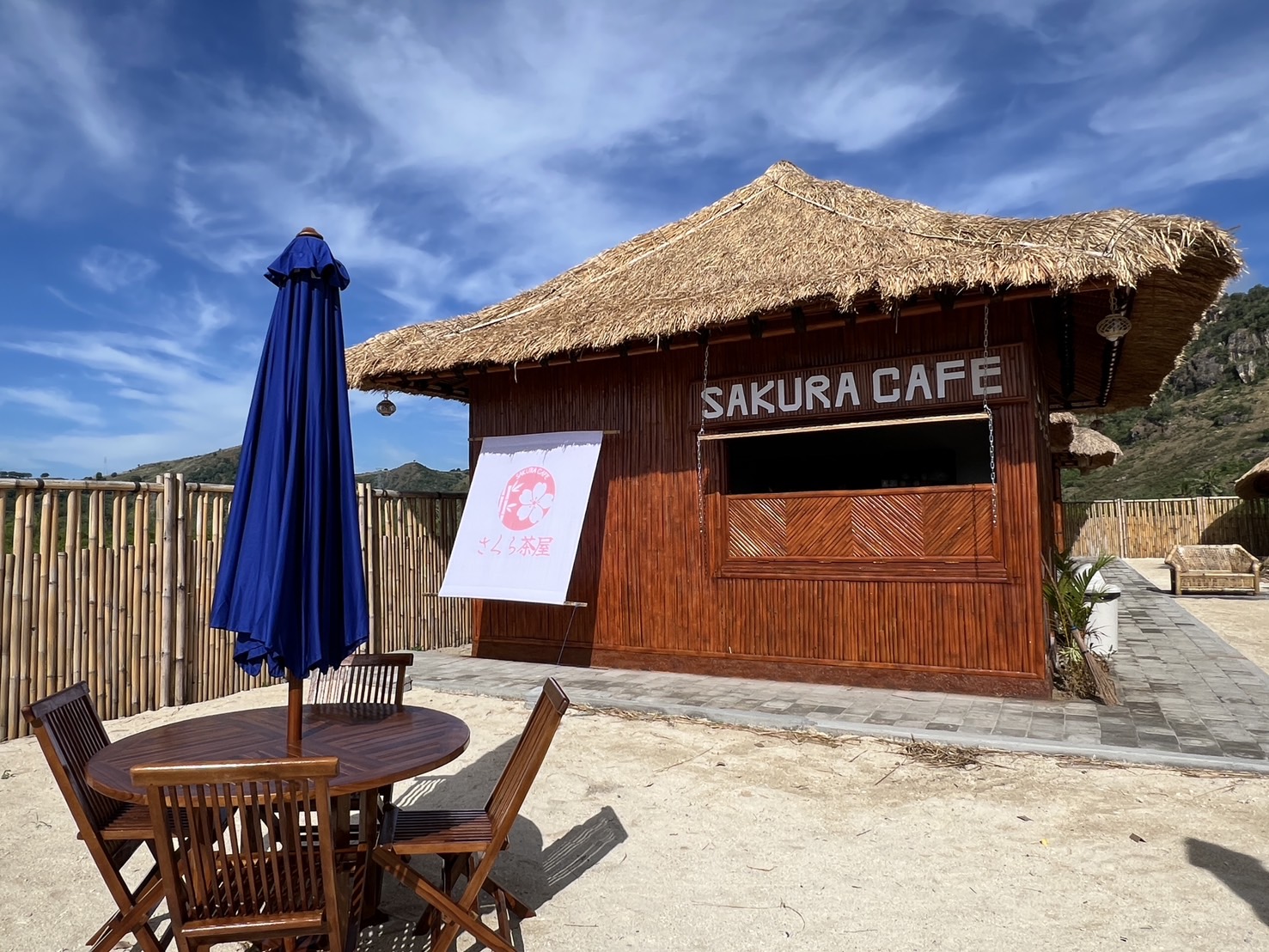
SEMELAR BEACH VILLAGE
Come and spend some time in the Sekotong village we call home
About 1 hour 10 minutes by car from Lombok International Airport. We offer a stay programme of 3 nights/4 days or more, with island trips by local boat and sunsets at SAKURA CAFE. The villas are due to be completed in stages from 2027.
Sources used for this article
- US Department of State, “Indonesia Travel Advisory” (Level 2, issued 7 July 2026; Level 4 for Central Papua and Highland Papua; terrorism, demonstrations, natural disasters)https://travel.state.gov/en/international-travel/travel-advisories/indonesia.html
- GOV.UK, “Indonesia travel advice: Safety and security” (updated 18 September 2026; theft, card fraud, money changers, taxis, sexual assault and drink spiking, methanol, driving permits, natural disasters, Nyepi)https://gov.uk/foreign-travel-advice/indonesia/safety-and-security
- Smartraveller (Australian Government), “Indonesia” (overall advice level, Papua, crime and scams, road safety, health, local laws)https://www.smartraveller.gov.au/destinations/asia/indonesia
- Wikipedia, “August 2025 Indonesian protests” (dates, Mataram on 30 August, Jakarta calm by 31 August)https://en.wikipedia.org/wiki/August_2025_Indonesian_protests
- Ministry of State Secretariat of Indonesia, “Inilah SKB 3 Menteri Libur Nasional dan Cuti Bersama 2027” (15 September 2026; Nyepi on 8 March 2027)https://setneg.go.id/baca/index/inilah_skb_3_menteri_libur_nasional_dan_cuti_bersama_2027