Information as of November 2026
“I have heard Bali is not safe. Is that true?” “Can I go as a woman, or on my own?” Many people have doubts like these before a first trip. Safety information online is full of fragments of personal experience, and it is hard to know how far to trust it. This article separates what official government travel advice actually says about Bali from the kinds of trouble visitors commonly meet. We run a stay programme in Sekotong on Lombok, the island next to Bali, and set out the facts here without exaggerating or playing them down.
What this article covers
- ✓How the US, UK and Australian governments rate Bali and Indonesia
- ✓The trouble visitors actually meet, and what to do about it
- ✓Points for women and solo travellers
- ✓Nightlife areas, and choosing a quieter base
In short
No government singles out Bali as a dangerous area: the US rates Indonesia overall at Level 2, “Exercise increased caution”, and only two Papua provinces are higher. But as in any tourist area, pickpocketing, overcharging, scams and road accidents are real risks. Separate the country-level picture from the precautions you take where you stay and in what you do.
How do government travel advisories rate Bali?
“Safety” covers two different things: official advice about the country as a whole, and the petty crime that happens in tourist areas. Start with the official advice. The US State Department’s advisory for Indonesia, issued on 7 July 2026, is Level 2, “Exercise increased caution”, on a four-level scale. Only Central Papua and Highland Papua are rated Level 4, “Do not travel”, because of civil unrest. Bali is not rated separately. Australia’s Smartraveller advises a “high degree of caution” for Indonesia overall and says to “reconsider your need to travel” to the same two Papua provinces, again with no separate rating for Bali.
The US advisory also notes that demonstrations occur frequently in Indonesia and can turn violent. The UK government advises avoiding all protests, demonstrations and rallies. Bali is mainly a holiday island and is not often the centre of protests, but during the nationwide protests of late August 2025, demonstrations were also reported in Denpasar on 30 August. Advice is updated as situations change, so check again shortly before you leave rather than relying on what you read months ago.
It is also worth signing up for any travel alert or registration service your government offers. Registered travellers receive safety updates by email and can be contacted if there is a serious incident, accident or natural disaster during their stay. Registration is usually free and quick, and it is worth doing for any destination, not only Bali.
Take care
- Ratings can differ within one country: in Indonesia, two Papua provinces are rated very differently from the rest of the country
- Advice is updated: check your government’s current advice just before you leave
- A low rating does not mean no risk: petty crime still happens, so read the next section as well
The trouble visitors actually meet, and what to do
A modest advisory level does not mean there is no trouble. What visitors to Bali actually meet is far more often petty crime and money disputes than violent crime: pickpocketing, bag snatching and overcharging. There are reports of people on motorbikes coming up from behind and grabbing bags, and of phones and valuables being taken in crowded restaurants and on beaches. The UK government says bag snatching is frequently reported in Bali. Hold your bag in front of you, do not leave valuables on the table or on a float, and keep your passport in the hotel safe, carrying a copy or a photo on your phone instead.
Overcharging at money changers and by taxis is the other classic. Money changers with unusually good rates may deduct a fee afterwards or miscount the notes, so choose an established, licensed changer; the UK government says to look for the Bank Indonesia logo and a QR code you can check, and to count what you receive on the spot. For getting around, the UK government recommends registered taxi companies such as Bluebird, and ride-hailing apps such as Grab also make fare disputes less likely. Scams that start with a stranger asking to see your country’s money, or with an unprompted friendly approach, are also reported, and Smartraveller warns of gambling card scams in particular in Bali. Do not get drawn in; leave. Say a clear “no” to persistent touts and, if needed, move into a busy shop or building.
← Scroll sideways to see the whole table
| Type of trouble | Where it happens | Basic precaution |
|---|---|---|
| Pickpocketing and bag snatching | Crowded streets, beaches, thieves on motorbikes | Hold your bag in front of you; never leave valuables unattended |
| Money changer tricks | Small booths with unusually good rates | Use a licensed changer; count the money on the spot |
| Taxi fare disputes | Taxis flagged on the street, negotiated fares | Use a major taxi company or a ride-hailing app |
| Street scams | Unprompted approaches in tourist areas | End the conversation and walk away |
| Road accidents | Riding a rented motorbike, crossing busy roads | If you are not used to riding, use a driver or ride-hailing |
General tendencies; not every visitor will meet these (as of November 2026).
Road accidents are the other risk that is easy to overlook. Bali’s traffic is heavy, and visitors do have accidents on rented motorbikes. Bali police reported 8,256 traffic accidents on the island in 2024, with 622 deaths, 21 of them foreign nationals. Smartraveller says motorbike accidents have killed and injured Australians particularly in Bali, Lombok and the Gili Islands, and the UK government reports a large rise in moped and motorbike accidents in Bali. Indonesia is a party only to the 1968 Vienna Convention on road traffic, so whether your International Driving Permit is valid depends on the type your country issues. If you are not used to riding, do not force it: use ride-hailing or hire a car with a driver.
Points for women and solo travellers
Travelling alone, and especially as a woman travelling alone, you make more decisions by yourself. Choose a hotel with plenty of reviews and location information and a 24-hour front desk. Do not walk long distances alone at night; use ride-hailing or a taxi booked by your hotel, and share where you are staying and your rough plans with family or friends. These basics remove much of the risk.
The UK government says reported cases of rape and sexual assault are high in Bali and Lombok, and that drink spiking linked to sexual assault has been reported in Bali, Lombok and the Gili Islands. Watch your drink being made, do not accept drinks from strangers, and do not give your room number or hotel name to people you have just met. The UK government also warns of methanol poisoning from drinks bought in licensed bars, shops and hotels in tourist areas; methanol cannot be detected by taste or smell. There is no need to be frightened, but raising the bar for trusting strangers a little higher than at home is a sensible balance. When choosing a hotel, look beyond the price at the front desk hours and at reviews from women and solo travellers.
Nightlife areas
Figure: Staying safe in nightlife areas
Areas that stay busy late, such as Kuta, attract people who have been drinking and people looking for a night out, and pickpocketing and minor trouble tend to be more common than in the daytime. There is no need to avoid going out at night, but walking on main streets, carrying as little as possible, not drinking too much and not going alone into quiet lanes late at night avoids most of the risk. Asking hotel or restaurant staff about the area that evening also helps.
What you can do before you leave
Figure: Four things to do before you leave
Much of staying safe is decided before you arrive. Keep copies or photos of your passport photo page, tickets and travel insurance policy separately from the originals, so that replacing them after a loss or theft is quicker. Note the contact details of your country’s embassy or consulate in Indonesia and your card company’s emergency number.
Do not carry all your cash in one place: spread it across your wallet, bag and suitcase so that a single theft does not take everything. Carry your accommodation’s address and phone number on paper too, in case your phone battery dies or you lose signal. These small steps affect not only how likely trouble is but also how much damage it does and how quickly it is resolved. Travel insurance is part of this as well: cover for theft and damage, and for medical costs if you are injured or fall ill, greatly reduces the burden afterwards. The US State Department notes that hospitals in Indonesia usually expect payment up front.
Choosing a quieter base
If you want to reduce the worry at its source, you can base yourself away from the busy nightlife areas. Inland areas such as Ubud, or Lombok, reachable from Bali by boat or plane, are less crowded, so the crowd-related trouble of busy tourist areas is relatively less likely. We compare the feel of the two islands in Bali or Lombok. If you want some of Bali’s buzz and some quiet time too, combining Bali with a quieter area is one option.
A note from Sekotong
Sekotong, in the southwest of Lombok, is a quiet area built around village life, and nights are calm. That does not mean you can drop your guard: looking after your valuables matters here too. But the crowds and constant approaches of Bali’s busiest streets are far fewer. If you are travelling on from Bali, the routes are covered in Bali to Sekotong.
Frequently asked questions
Q. What travel advisory level is Bali at?
Bali is not rated separately. As of November 2026 the US rates Indonesia overall at Level 2, “Exercise increased caution” (7 July 2026), and only Central Papua and Highland Papua are at Level 4. Australia advises a high degree of caution for Indonesia overall. Check your own government’s advice before you travel.
Q. Is Bali safe for a woman travelling alone?
Many women travel in Bali on their own, but basic precautions are needed: limit going out alone at night, use ride-hailing, share your accommodation details with family, and watch your drinks. There is no need to be afraid, but do not drop your guard.
Q. Is it safe to walk around Kuta at night?
Main streets are busy with people. Avoid walking alone into quiet lanes, do not carry too many valuables, and do not drink too much.
Q. Do I need travel insurance?
Considering illness and injury as well as theft, travel insurance gives real peace of mind, and hospitals usually expect payment up front. If you rely on insurance attached to a credit card, check what it covers and the conditions before you go.
Related reading
- Is Lombok dangerous?Safety on Lombok and what to watch for
- Bali or LombokThe two islands compared, including how busy they are
Summary
Going by official advice, Bali is not an area to avoid: the US rates Indonesia overall at Level 2, and only two Papua provinces are higher. Still, as a tourist area, Bali has real trouble such as pickpocketing, overcharging and road accidents. Keep the country-level picture separate from the precautions you take where you stay and in what you do, and build up the basics of looking after valuables and choosing how you get around. There is no need to give up on a trip out of fear, and no reason to think a modest rating means nothing can happen.
If the busy nightlife areas worry you, you can base yourself somewhere quieter, or add a few days on calmer Lombok. Advice is updated as situations change, so check your government’s latest information before you leave and plan an itinerary with some slack. Small steps such as signing up for alerts and splitting your cash add up to a more relaxed trip.
SEMELAR BEACH VILLAGE
Come and spend some time in the Sekotong village we call home
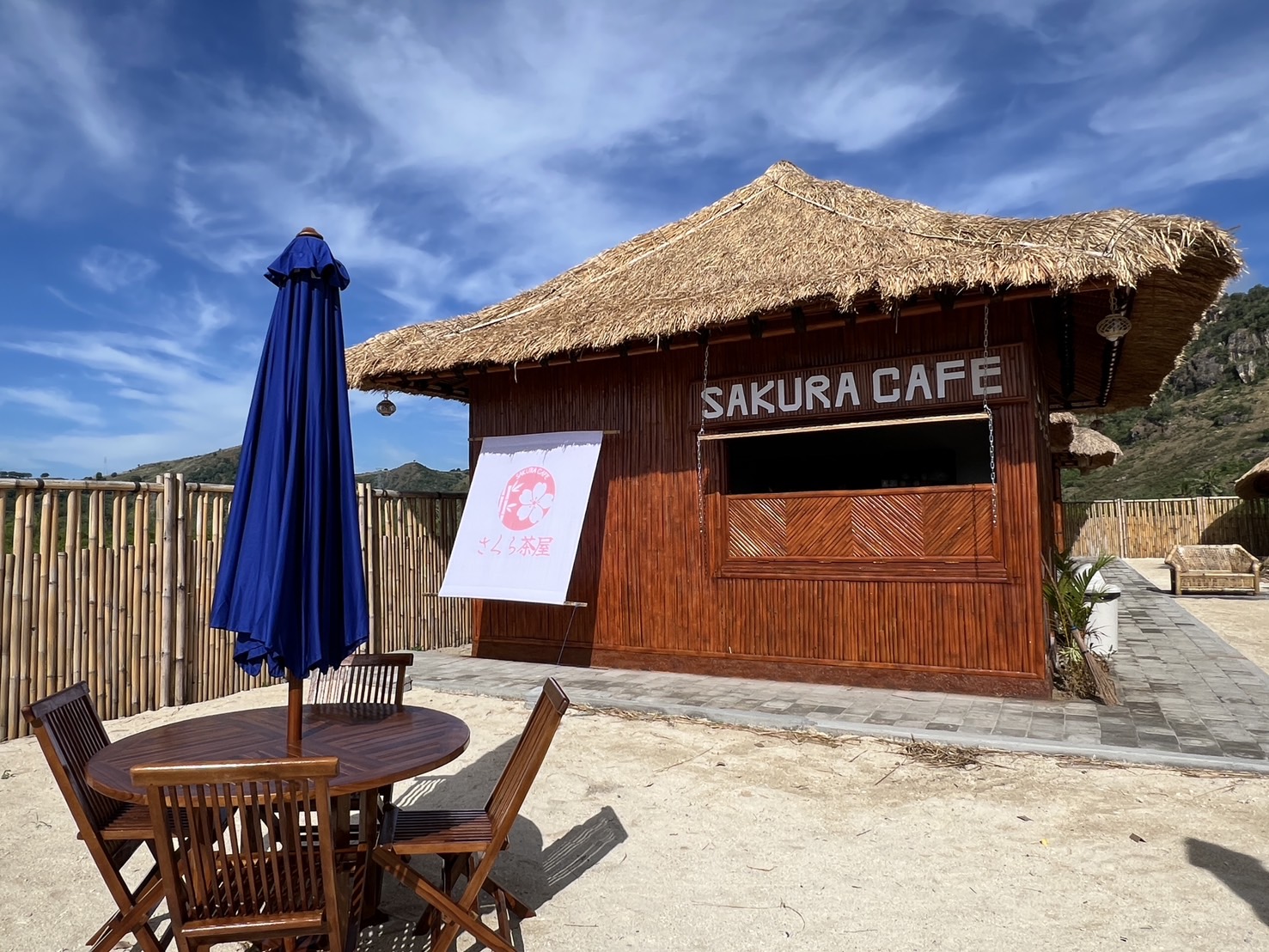
About 1 hour 10 minutes by car from Lombok International Airport. We offer a stay programme of 3 nights/4 days or more, with island trips by local boat and sunsets at SAKURA CAFE. The villas are due to be completed in stages from 2027.
Sources used for this article
- US Department of State, “Indonesia Travel Advisory” (Level 2, issued 7 July 2026; Level 4 for Central Papua and Highland Papua; demonstrations)https://travel.state.gov/en/international-travel/travel-advisories/indonesia.html
- GOV.UK, “Indonesia travel advice: Safety and security” (updated 18 September 2026; bag snatching in Bali, money changers, taxis, sexual assault and drink spiking, methanol, motorbike accidents, driving permits)https://gov.uk/foreign-travel-advice/indonesia/safety-and-security
- Smartraveller (Australian Government), “Indonesia” (overall advice, Papua, gambling card scams in Bali, motorbike accidents)https://www.smartraveller.gov.au/destinations/asia/indonesia
- detikBali, “622 Orang Tewas Kecelakaan di Bali Selama 2024, Termasuk 21 WNA” (30 December 2024; Bali police figures)https://www.detik.com/bali/berita/d-7710303/622-orang-tewas-kecelakaan-di-bali-selama-2024-termasuk-21-wna
- Wikipedia, “August 2025 Indonesian protests” (protests in Denpasar on 30 August 2025)https://en.wikipedia.org/wiki/August_2025_Indonesian_protests