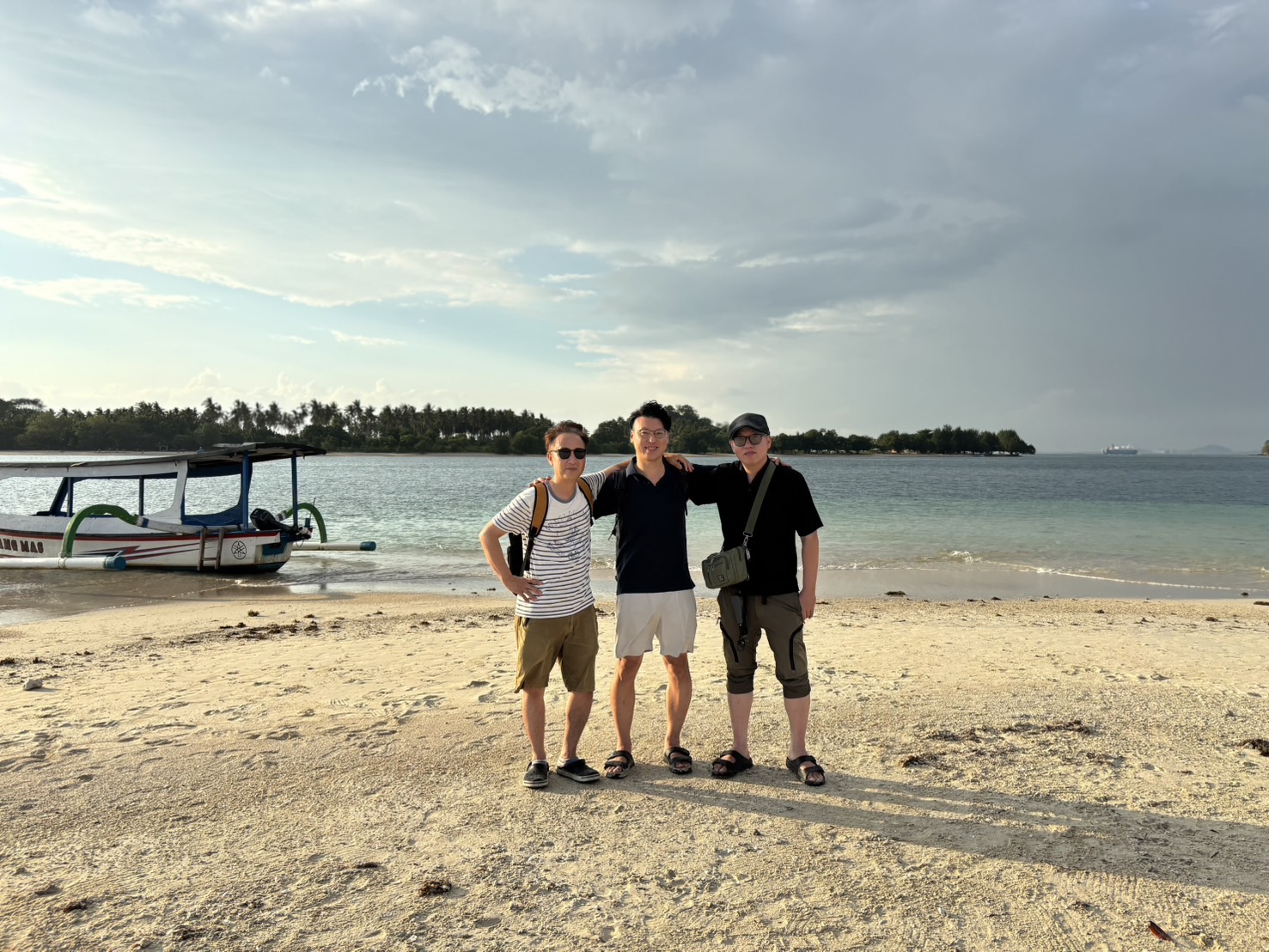
The sea around Lombok varies a lot from beach to beach. In August 2026 a British family of five was swept away by a strong current at a beach near Senggigi and the father died, and on the south coast four people taking photos on a clifftop were hit by a wave and one died. The Australian government’s travel advice also warns that Australians have drowned on Indonesia’s coasts because of rough seas and strong rip currents.
For this guide we read the Australian government’s travel advice (Smartraveller), Indonesian news reports of the accidents, the Australian public health site healthdirect and the climate site weather2travel on 1 November 2026, and set out what to do when swimming, near rocks, after a sting, in the sun and on a boat.
This guide is for anyone planning to go in the sea on Lombok, the Gilis or around Sekotong, and anyone travelling with children or less confident swimmers.
Information as of November 2026
What this article covers
- ✓Beach accidents on Lombok in 2026
- ✓What to check before you swim (currents, signs, never alone)
- ✓Staying safe on rocks and clifftops
- ✓First aid for sea urchin, jellyfish and stonefish stings
- ✓The UV index, and life jackets on boats
- ✓Emergency numbers and medical care
In short
Check the current and waves before you swim, never swim alone, and stay out of the water after drinking. Do not go near the waves on rocks or clifftops for a photo. On boats, wear a life jacket and do not travel at night or in rain or storms.
Beach accidents on Lombok in 2026
According to iNews (published on RCTI+, 21 August 2026), at about 15:30 on 19 August five members of a British family were swept away by a strong current while swimming at Kerandangan II beach in Senggigi village, West Lombok. Residents and tour operators brought all five back to shore using a jet ski and diving gear, but the 54-year-old father died in hospital. Police urged visitors to pay attention to the weather and currents and to follow safety instructions at beaches.
iNews (3 August 2026) also reported that at Semeti beach in Central Lombok, four local people taking photos on a clifftop were struck by a large wave; one died and three were injured. Rescuers urged visitors not to approach dangerous spots for photos when the waves are high.
In December 2022 a 50-year-old French visitor went missing after trying to swim from Gili Trawangan to Gili Meno, and was not found after a seven-day search, which was hampered by heavy rain, strong wind, strong currents and high waves (jpnn, 24 December 2022).
What to check before you swim
The Australian government’s travel advice (Smartraveller) says swimming conditions in Indonesia vary and can change quickly. Its water safety page (updated 15 May 2025) recommends the following.
Figure: Before you go in the sea (Australian government advice)
Most beaches on Lombok have no lifeguards or flags. Ask at your guesthouse or cafe, or ask local fishers, about the day’s currents and where it is easiest to go in. In Sekotong, beaches on the north side are mostly sheltered by islands, while those on the south side face the open ocean. Beach by beach details are in our guide to Sekotong’s mainland beaches.
Staying safe on rocks and clifftops
As the Semeti accident shows, big waves can wash over rocks and clifftops facing the sea even in fine weather. Rescuers asked people not to approach dangerous spots for photos when waves are high. Keep away from rocky shores on the south coast on high-wave days.
When walking on rocks, wear shoes that grip on wet surfaces, do not stand with your back to the sea for photos, and hold children’s hands.
Stung by a sea urchin, jellyfish or stonefish
In shallow rocky areas and around coral you can step on sea urchins or venomous fish. The first aid below comes from the Australian public health site healthdirect (reviewed September 2025). Treat it as a guide alongside advice from local medical services.
Figure: First aid for stings (healthdirect)
To protect your feet, wear reef shoes in the shallows and do not stand on coral or rocks. Snorkelling gear and the sea around each island are covered in our South Gili snorkelling and diving guide.
Sun and heat: the UV index is extreme
weather2travel rates the UV index in Mataram as “11+ (extreme)” in both November and December, with highs of about 31°C. On the water or on white sand you burn quickly.
Reapply sunscreen, wear a long-sleeved rash guard and a hat, and drink water often. When you float face down while snorkelling, your back is in the sun the whole time, so cover it.
On boats: life jackets and the weather
Smartraveller says boat travel in Indonesia can be dangerous: passenger and luggage limits are not always observed and there may not be enough life jackets. It advises against travelling by water after dark, in wet weather or in storms, and its water safety page advises always wearing a life jacket on a boat.
Even on small boats such as those used for South Gili island hopping, check the number and location of life jackets before setting off, and change the day if the sea is rough. When choosing a snorkelling boat, the same page advises checking reviews and whether the operator follows safety rules and has first aid training. How to hire a boat is in our Sekotong boat hire guide.
Emergency numbers and medical care
Smartraveller lists Indonesia’s emergency numbers as 110 or 112 for police, 118 for ambulance and rescue, 119 for medical emergencies and 113 for fire. Many regional hospitals offer only basic facilities, and it advises comprehensive travel insurance covering all medical costs, including emergency treatment and medical evacuation. Hospitals and insurance on Lombok are covered in our Lombok hospitals and insurance guide.
Take care
- Save the numbers on your phone before you travel
- Write your accommodation address and the nearest hospital on paper too
- Keep your policy number and the insurer’s emergency contact to hand
A note from Sekotong
Currents and waves change from day to day on Sekotong’s beaches too. Boatmen and cafe staff know the sea well. Before you go in, ask them where it is good to swim today.
Downsides, and for anyone who wants to spend time in the sea
Most of Lombok’s beaches have no lifeguards or flags, and regional hospitals offer basic care. We could not confirm advice on how to swim out of a rip current, so it is not included here. Less confident swimmers and families with children should pick calm beaches and use floats and life jackets.
Choose beaches with little current and places where people know the sea, and you can enjoy your time in the water with more peace of mind. The Semelar Beach Village stay programme runs from 3 nights/4 days to 5 nights/6 days at Rp4,800,000 per person, including airport transfers, local transport, a guide, a welcome dinner and a massage; flights and accommodation are separate. Where you can stay is on our Stay page and what you can do in the village on Things to Do.
Frequently asked questions
Q. Is the sea on Lombok dangerous?
It depends on the beach. In August 2026 a visitor died after being swept away by a strong current at a beach near Senggigi. Check the current before you swim and never swim alone.
Q. What should I do if I step on a sea urchin?
Remove spines near the surface and soak the area in hot water, no hotter than is comfortable, for 20 minutes. See a doctor for spines you cannot remove (healthdirect).
Q. What is the emergency number in Indonesia?
According to Smartraveller, 118 for ambulance and rescue, 119 for medical emergencies and 110 or 112 for police.
Q. Do boats carry life jackets?
The Australian government warns there may not be enough. Check the number and location before setting off and wear one on board.
Q. Can I swim between the Gili Islands?
Do not try. In 2022 a visitor went missing after trying to swim from Gili Trawangan to Gili Meno.
Summary
Currents and waves differ from beach to beach on Lombok, and in 2026 there were fatal accidents at a beach near Senggigi and on rocks on the south coast. Check the current before swimming, never swim alone, stay out after drinking, and keep away from rocks and clifftops on high-wave days.
Before you go, check the first aid for stings, prepare for the strong sun, check life jackets on boats and save the emergency numbers (ambulance 118, medical 119, police 110 or 112) (as of November 2026).
Related reading
- Is Lombok Safe?Crime, earthquakes and areas to take care
- Sekotong’s Mainland BeachesWhere it is easy to swim
- Lombok Hospitals and InsuranceWhere to get treatment
SEMELAR BEACH VILLAGE
Come and spend some time in the Sekotong village we call home
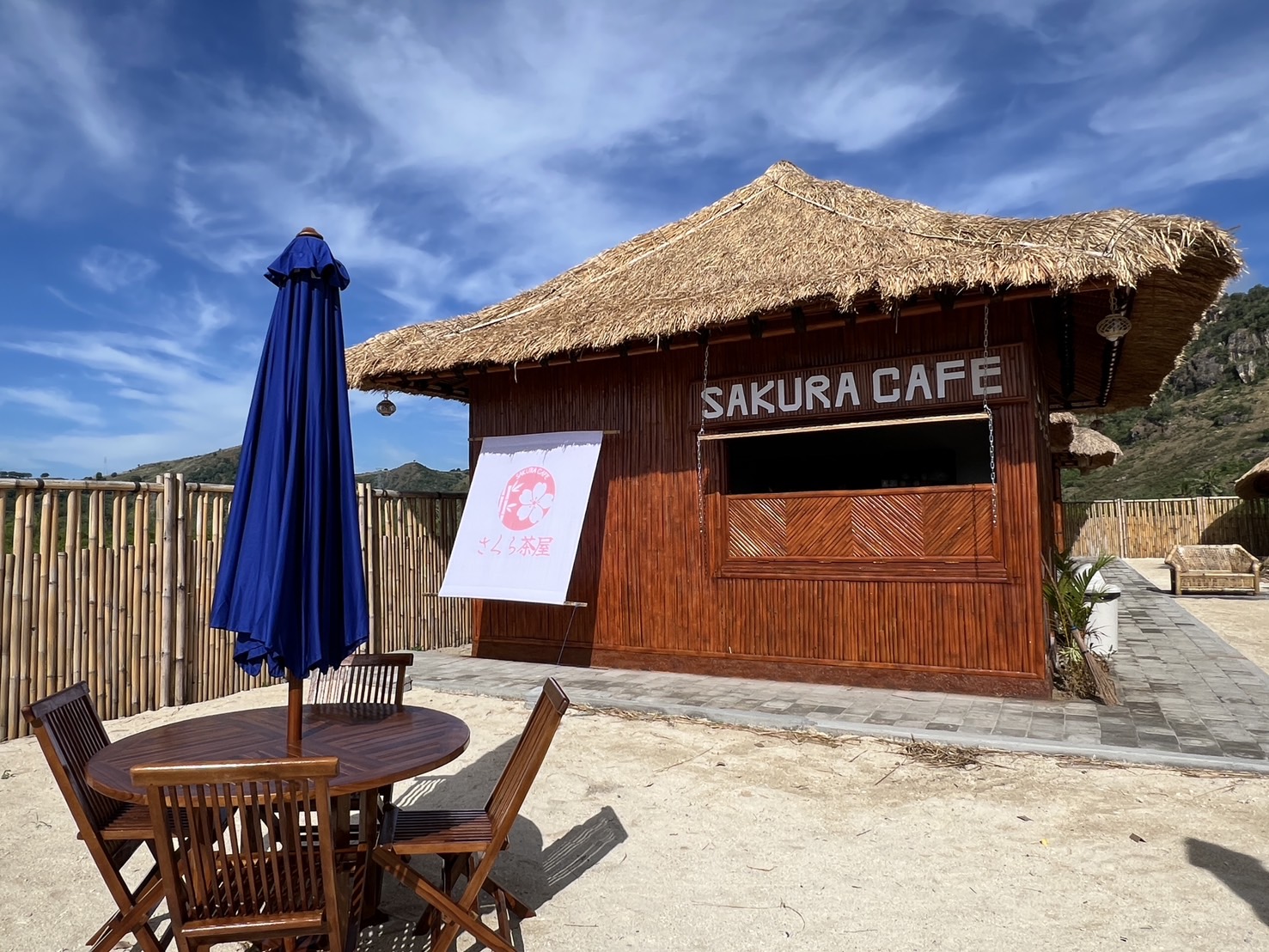
About 1 hour 10 minutes by car from Lombok International Airport. We offer a stay programme of 3 nights/4 days or more, with island trips by local boat and sunsets at SAKURA CAFE. The villas are due to be completed in stages from 2027.
Sources used for this article
- Smartraveller (Australian Government), Indonesia (currents and drowning, boat safety, emergency numbers, medical care and insurance)https://www.smartraveller.gov.au/destinations/indonesia
- Smartraveller, Water safety (updated 15 May 2025; checks before swimming, children, alcohol, life jackets, choosing snorkelling operators)https://www.smartraveller.gov.au/news-and-updates/water-safety
- RCTI+ (iNews), 5 WNA Inggris Sekeluarga Terseret Arus di Pantai Lombok Barat, 1 Orang Tewas (21 August 2026; Kerandangan II beach)https://rctiplus.com/news/detail/nasional/5456466/5-wna-inggis-sekeluarga-terseret-arus-di-pantai-lombok-barat-1-orang-tewas
- RCTI+ (iNews), 4 Wisatawan Terhempas Ombak saat Swafoto di Tebing Pantai Semeti Lombok Tengah, 1 Tewas (3 August 2026; Semeti beach and rescuers’ advice)https://rctiplus.com/news/detail/nasional/5442812/4-wisatawan-terhempas-ombak-saat-swafoto-di-tebing-pantai-semeti-lombok-tengah-1-tewas
- jpnn, Turis Prancis Tenggelam di Gili Trawangan (24 December 2022; search for a swimmer between Gili Trawangan and Gili Meno)https://m.jpnn.com/news/turis-prancis-tenggelam-di-gili-trawangan
- healthdirect (Australia), Sea creature bites and stings (reviewed September 2025; jellyfish, sea urchin, stonefish, stingray)https://www.healthdirect.gov.au/sea-creature-stings
- weather2travel, Lombok weather in November (UV index and temperature in Mataram)https://weather2travel.com/lombok/november/