Batik is Indonesia’s traditional cloth, made by blocking out patterns with wax and dyeing the fabric. According to Indonesia’s tourism ministry, UNESCO inscribed it as intangible cultural heritage in 2009, and 2 October became Batik Day in memory of that date. When buying batik as a souvenir, being able to tell hand-drawn batik (batik tulis), stamped batik (batik cap) and machine-printed cloth apart makes it easier to judge whether the price is fair.
The quickest way to tell hand-drawn from printed is to look at the back. According to The Jakarta Post (2018), printed batik is coloured on one side only, so the back looks faded, while hand-drawn batik is equally bright on both sides and every line shows the irregularity of the hand.
This guide is based on UNESCO’s intangible heritage page, the tourism ministry’s guide to batik museums, CNN Indonesia (2 October 2021) and The Jakarta Post’s articles on telling batik apart, which we opened and read in October 2026. It is written for travellers who want to buy or see batik in Indonesia.
Information as of October 2026
What this article covers
- ✓What batik is, UNESCO recognition and the meaning of 2 October
- ✓The difference between hand-drawn, stamped and printed batik
- ✓Three things to check in a shop to tell hand-drawn from printed
- ✓Museums and workshops (Jakarta, Yogyakarta, Solo, Ubud)
- ✓How it differs from Lombok’s woven textiles
In short
Batik is cloth dyed after blocking out patterns with wax; it became UNESCO intangible heritage in 2009, and 2 October is Batik Day. Hand-drawn batik is equally bright on front and back with irregular lines, while printed batik is coloured on one side and looks faded on the back. You can try making it at places such as the Danar Hadi museum in Solo (as of October 2026).
What is batik? UNESCO recognition and Batik Day
UNESCO’s intangible heritage page describes Indonesian batik as a traditional hand-crafted dye-resist textile, rich in intangible cultural values, passed down on Java and elsewhere since the early nineteenth century.
The same page records a programme selected in 2009 for the Register of Good Safeguarding Practices. Started in 2005 by the Batik Museum in Pekalongan, on Java, with the city’s education authorities, it teaches batik in schools from primary level to polytechnics and has spread from Pekalongan city to the surrounding districts.
According to CNN Indonesia (2 October 2021), UNESCO recognised batik as intangible heritage on 2 October 2009 at its session in Abu Dhabi. Indonesia submitted the nomination on 4 September 2008, and President Yudhoyono established Batik Day by Presidential Decree No. 33 of 2009. The government encourages people to wear batik on the day.
Hand-drawn, stamped and printed batik
According to The Jakarta Post (February 2018), the most traditional type is hand-drawn batik tulis: the design is sketched in pencil, then traced in hot wax with a canting, a pen-like tool with a small copper reservoir. Stamped batik cap is cheaper and sold in markets. Printed batik is made by machine, including screen-printed cloth called plangkan.
← Scroll sideways to see the whole table
| Type | How it is made | Price and notes |
|---|---|---|
| Hand-drawn (batik tulis) | Hot wax applied by hand with a canting | Expensive and sought after by collectors |
| Stamped (batik cap) | Wax applied with a stamp | Cheaper than hand-drawn; common in markets |
| Printed (plangkan and others) | Machine or screen printing | Coloured on one side; sometimes sold at hand-drawn prices |
From The Jakarta Post (January and February 2018). Typical prices were not in the sources opened.
The thing to watch for is printed cloth sold as hand-drawn at a high price. The Jakarta Post says sellers may claim screen-printed plangkan is tulis to charge more. If you are making an expensive purchase, check the following points with your own eyes.
Three things to check in a shop
The Jakarta Post (January 2018) gives three ways to identify quality batik. The first is colour: handmade batik often uses natural dyes, which give earthy tones, and its deep brown is called “sogan”. Printed batik uses chemical dyes and has brighter, more varied colours.
The second is the back: printed batik is usually printed on one side only, so the reverse looks faded, while hand-drawn batik is consistently bright on both sides. The third is the line: because every line of hand-drawn batik is drawn with a canting, the motifs look organic and may have stains or irregularities, whereas printed cloth may have roughly cropped pattern edges or colours spilling past the lines (the same paper, February 2018).
Figure: Three things that tell hand-drawn from printed
Museums and places to try it
Indonesia’s tourism ministry lists five museums where you can see batik. The National Museum in Jakarta displays batik from different regions along with tools such as canting and wax. The Ullen Sentalu Museum in Yogyakarta shows batik linked to the royal court traditions.
Workshops are mentioned at the Danar Hadi museum in Solo (Surakarta), which holds thousands of batik textiles and runs classes, and at the Neka Art Museum in Ubud on Bali, which shows Balinese batik with nature motifs and offers classes. No museum’s fees are listed, so check before you go.
← Scroll sideways to see the whole table
| Museum | City | Hours | Workshops |
|---|---|---|---|
| National Museum | Jakarta | 9am–4pm | Not mentioned |
| Ullen Sentalu Museum | Yogyakarta | 8:30am–4pm | Not mentioned |
| Danar Hadi Batik Museum | Solo | 9am–4pm | Classes offered |
| Neka Art Museum | Ubud, Bali | 9am–5pm | Classes offered |
| Agung Rai Museum of Art | Ubud, Bali | 10am–5pm | Art activities, not specifically batik |
From Indonesia’s tourism ministry. The National Museum’s hours differ from those in the October 2024 reopening report (Tuesday to Thursday 8am–4pm, Friday to Sunday 8am–8pm, closed Mondays), so check before you go.
We cover getting to the National Museum and its closing days in things to do in Jakarta on a layover, Yogyakarta in our guide to visiting Borobudur, and Ubud in our Ubud guide.
How it differs from Lombok’s textiles
Lombok’s traditional cloth is made differently from batik. Batik is dyed after the pattern is blocked out with wax, while the cloth Lombok is known for has its patterns woven into it with thread. Choosing souvenirs on Lombok is covered in Lombok souvenirs. Comparing Indonesian textiles as you travel shows how much they differ from island to island.
- ✓Look at the back: is it as colourful as the front?
- ✓Do the lines show the irregularity of hand drawing?
- ✓Are the colours earthy, or bright and many?
- ✓For expensive pieces, ask the shop which type it is
A note from Sekotong
Sekotong, in southwest Lombok, is about 1 hour 10 minutes by car from the airport. If you come to Lombok after buying batik on Java or Bali, setting aside a day to compare it with the island’s textiles and pottery villages shows the range of Indonesian handicrafts. Lombok’s pottery villages are covered in Lombok pottery villages.
Drawbacks, and who batik visits and shopping suit
The drawbacks first. The sources we opened for this guide did not give typical batik prices or museum fees. The ways of telling types apart are only a guide: some cloth combines hand-drawn and stamped work, and it can be hard to judge just by looking in a shop.
Even so, checking the back, the colour and the lines will reduce the risk of paying hand-drawn prices for printed cloth. Batik suits people who want to understand Indonesian culture through its textiles, those who want to try making it in Solo or Ubud, and anyone travelling in Indonesia around 2 October.
Frequently asked questions
Q. What is batik?
A traditional Indonesian cloth, dyed after the pattern is blocked out with wax. It became UNESCO intangible cultural heritage in 2009.
Q. What is 2 October?
Indonesia’s Batik Day. It was set by presidential decree to mark UNESCO’s recognition of batik as intangible heritage on 2 October 2009.
Q. How do I tell hand-drawn from printed?
Looking at the back is quickest. Printed batik is coloured on one side and faded on the back; hand-drawn batik is equally bright on both sides. The irregularity of the lines and earthy colours are also clues.
Q. Where can I try making batik?
Indonesia’s tourism ministry says classes are offered at the Danar Hadi museum in Solo and the Neka Art Museum in Ubud, Bali. Check fees before you go.
Summary
Batik is Indonesia’s traditional wax-resist cloth; it became UNESCO intangible heritage in 2009, and 2 October is Batik Day. There are three types, hand-drawn, stamped and printed, with very different prices.
When buying, check whether the back is as bright as the front, whether the lines show the irregularity of the hand, and whether the colours are earthy. You can try making it at museums in Solo and Ubud (as of October 2026).
Related reading
- Lombok SouvenirsWhere to buy and taking them home
- Ubud, BaliMuseums, rice terraces and palace dances
- Visiting BorobudurGetting there from Yogyakarta
More on this topic: Indonesia Travel Basics. Adding three nights on Lombok to a Bali trip: Stay Programme Itineraries.
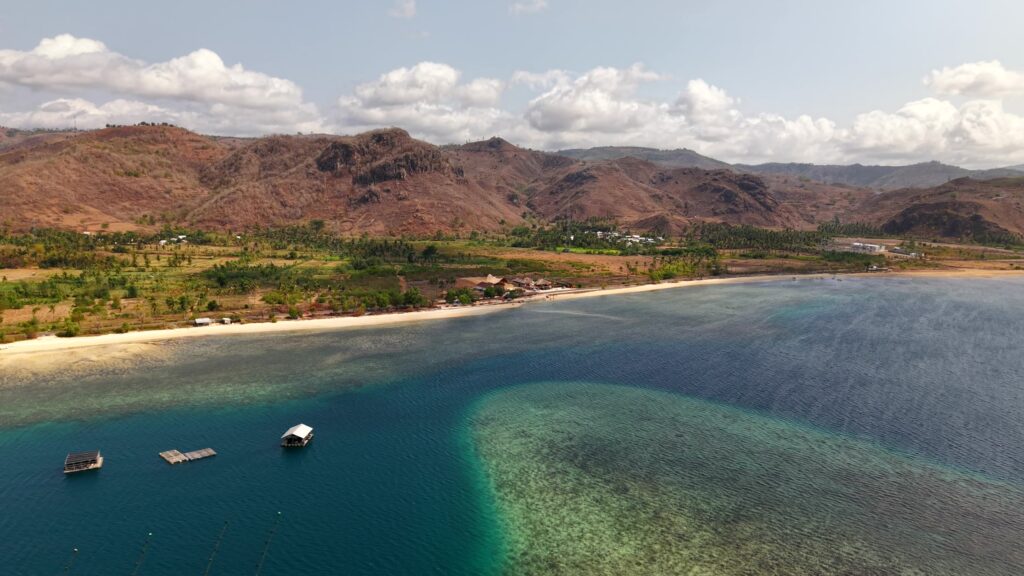
SEMELAR BEACH VILLAGE
Come and spend some time in the Sekotong village we call home
About 1 hour 10 minutes by car from Lombok International Airport. We offer a stay programme of 3 nights/4 days or more, with island trips by local boat and sunsets at SAKURA CAFE. The villas are due to be completed in stages from 2027.
Sources used for this article
- UNESCO intangible cultural heritage page (No. 00318; batik education in Pekalongan, selected in 2009 for the Register of Good Safeguarding Practices; description of batik)https://ich.unesco.org/en/RL/00318
- Indonesia Ministry of Tourism, “Kenali Lebih Dekat Warisan Budaya Batik di 5 Museum Batik di Indonesia” (five museums, locations, hours, workshops, the 2009 inscription)https://www.indonesia.travel/de-en/travel-ideas/culture/kenali-lebih-dekat-warisan-budaya-batik-di-5-museum-batik-di-indonesia
- CNN Indonesia, “Alasan Hari Batik Nasional Diperingati Setiap 2 Oktober” (2 October 2021; the date of UNESCO’s recognition, nomination, presidential decree)https://www.cnnindonesia.com/gaya-hidup/20211001095502-277-701902/alasan-hari-batik-nasional-diperingati-setiap-2-oktober
- The Jakarta Post, “Three ways to identify quality batik” (22 January 2018; colour, back, lines)https://www.thejakartapost.com/life/2018/01/26/three-ways-to-identify-quality-batik
- The Jakarta Post, “Differences between printed batik and authentic batik tulis” (21 February 2018; definitions of hand-drawn, stamped and printed batik, and how to tell them apart)https://thejakartapost.com/life/2018/02/23/differences-between-printed-batik-and-authentic-batik-tulis.html